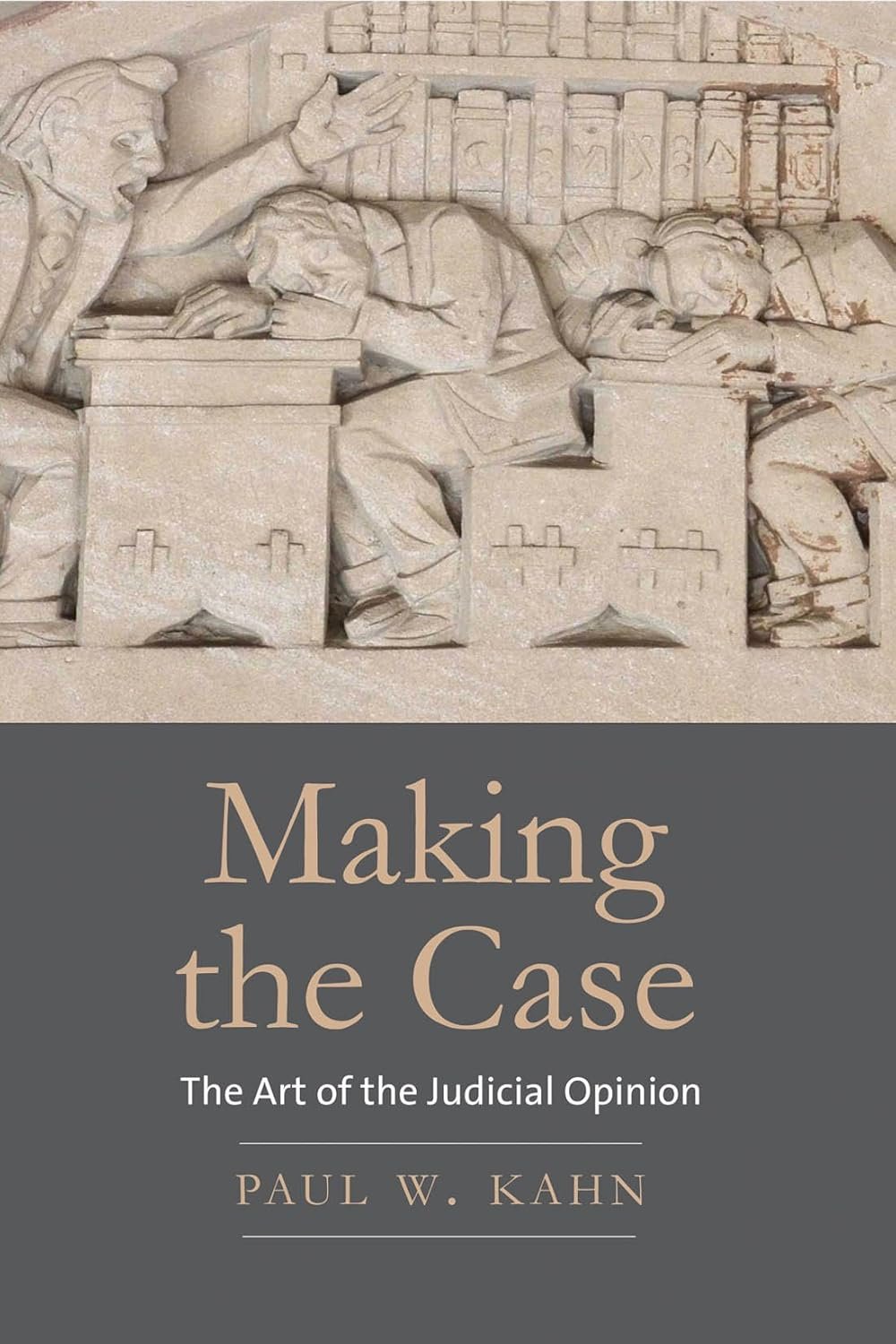
Have you ever wondered what really goes into crafting a judicial opinion? More than just dry legal text, these documents contain rich narratives that reveal the very essence of how our legal system functions. Paul Kahn, drawing on thirty years of teaching experience, takes you on a journey into the heart of legal thinking in this groundbreaking work.
At first glance, judicial opinions can seem impenetrable—complex, dense, and filled with archaic language. But beneath the surface lies a sophisticated narrative structure that Kahn masterfully uncovers. He demonstrates how every legal opinion tells a story about justice, power, and the limits of authority. This isn't just about understanding what courts say, but learning how they think and why they decide cases the way they do.
What makes this book unique is its dual audience appeal. For students, it provides an essential roadmap for navigating the often confusing world of legal analysis. For scholars and practitioners, Kahn offers fresh insights into the nature of legal meaning, doctrine development, and factual construction. The book speaks the language of both academic theory and practical application, making complex ideas accessible without oversimplifying.
Kahn's central thesis revolves around the idea that law is fundamentally narrative. He explores how judges construct stories to justify their decisions, how these narratives evolve over time, and how they reflect our deepest assumptions about justice and governance. Through examples and careful analysis, you'll see how even the most technical legal decisions contain human elements of persuasion, interpretation, and meaning-making.
Whether you're a law student trying to master case analysis, a legal scholar seeking new perspectives, or simply someone fascinated by how our justice system operates, this book offers invaluable insights into the art and science of judicial reasoning.