Charting a Path to Peace
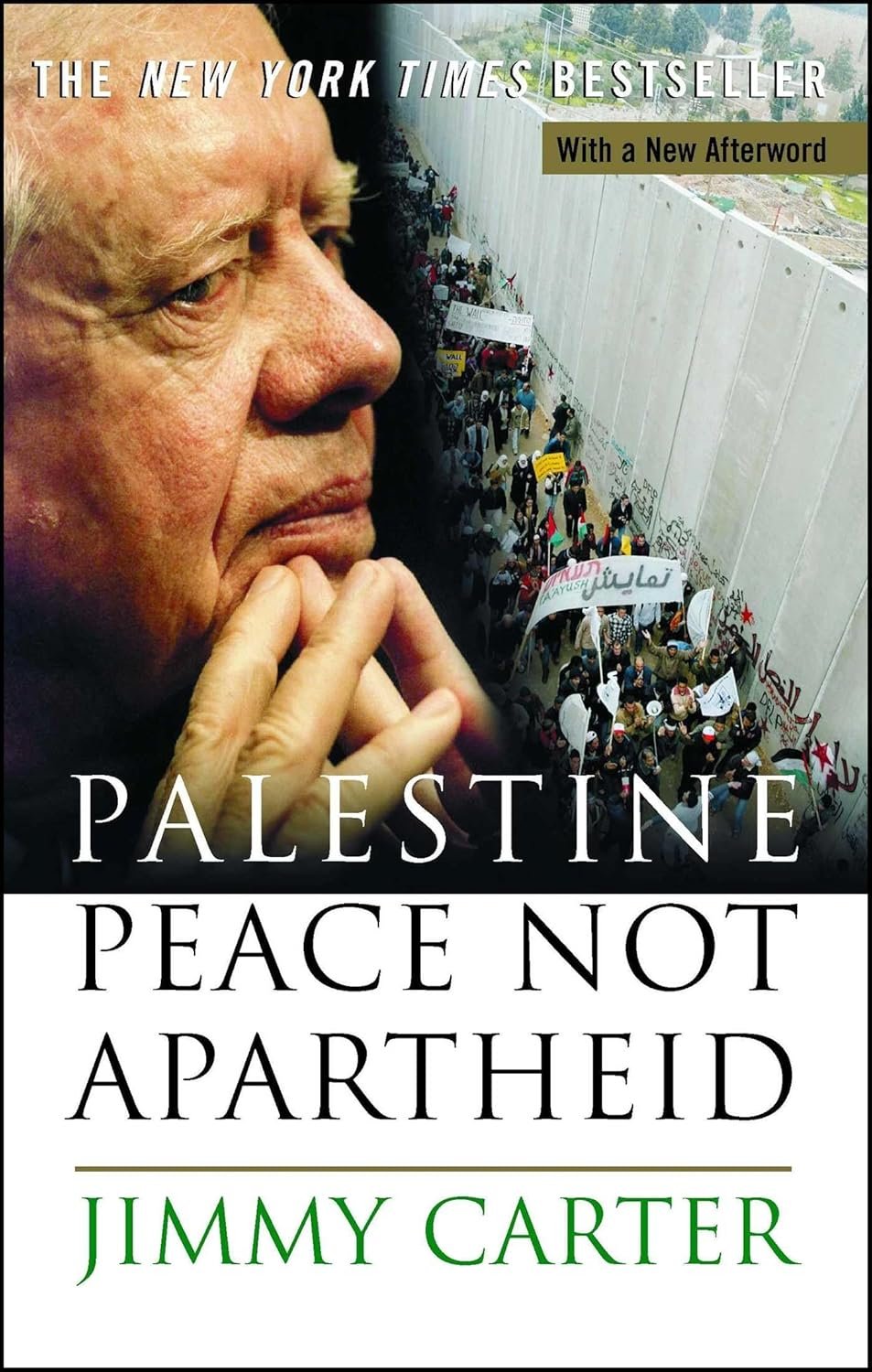
In his revealing book, Palestine: Peace Not Apartheid, former President Jimmy Carter combines deep historical knowledge with personal insight to address one of the world's most persistent conflicts. Drawing from his experiences negotiating peace between Israel and Egypt, Carter advocates for a future where both Israelis and Palestinians coexist in dignity and justice.
As tensions in the Middle East persist, the necessity for a new and effective approach to peace becomes ever more urgent. Carter openly critiques the status quo, discussing how ongoing oppression hinders the chances for a lasting resolution. He emphasizes that permanent peace will only be achieved when Israel respects UN resolutions and acknowledges the rights of the Palestinian people.
Carter offers a candid assessment of the political landscape, replete with insights gained from his direct interactions with key players in the conflict. By sharing his observations from multiple trips to the region—culminating in his role as an observer during the Palestinian elections—he highlights both the obstacles and opportunities present in the current environment. His proposed steps for establishing a two-state solution are practical yet profound, urging for respect to the pre-1967 borders as a foundational element.
This book is not just a theoretical exploration; it serves as a critical resource for anyone interested in understanding the complexities of Middle Eastern politics. Carter's frank discussions on sensitive topics provoke thought and encourage dialogue, making it a necessary read for policymakers, scholars, and engaged citizens alike. It invites readers to envision a Middle East where fear and apartheid give way to peace and collaboration.
Palestine: Peace Not Apartheid serves as a crucial reminder of the power of informed advocacy. By advocating for a balanced and respectful approach to Israeli-Palestinian relations, Carter’s work is a beacon of hope. Through understanding the intricacies of this longstanding conflict, readers are empowered to contribute to a narrative that promotes peace rather than division.
This challenging, thought-provoking book offers pathways to lasting peace, urging everyone towards a shared vision for the future of the Holy Land.