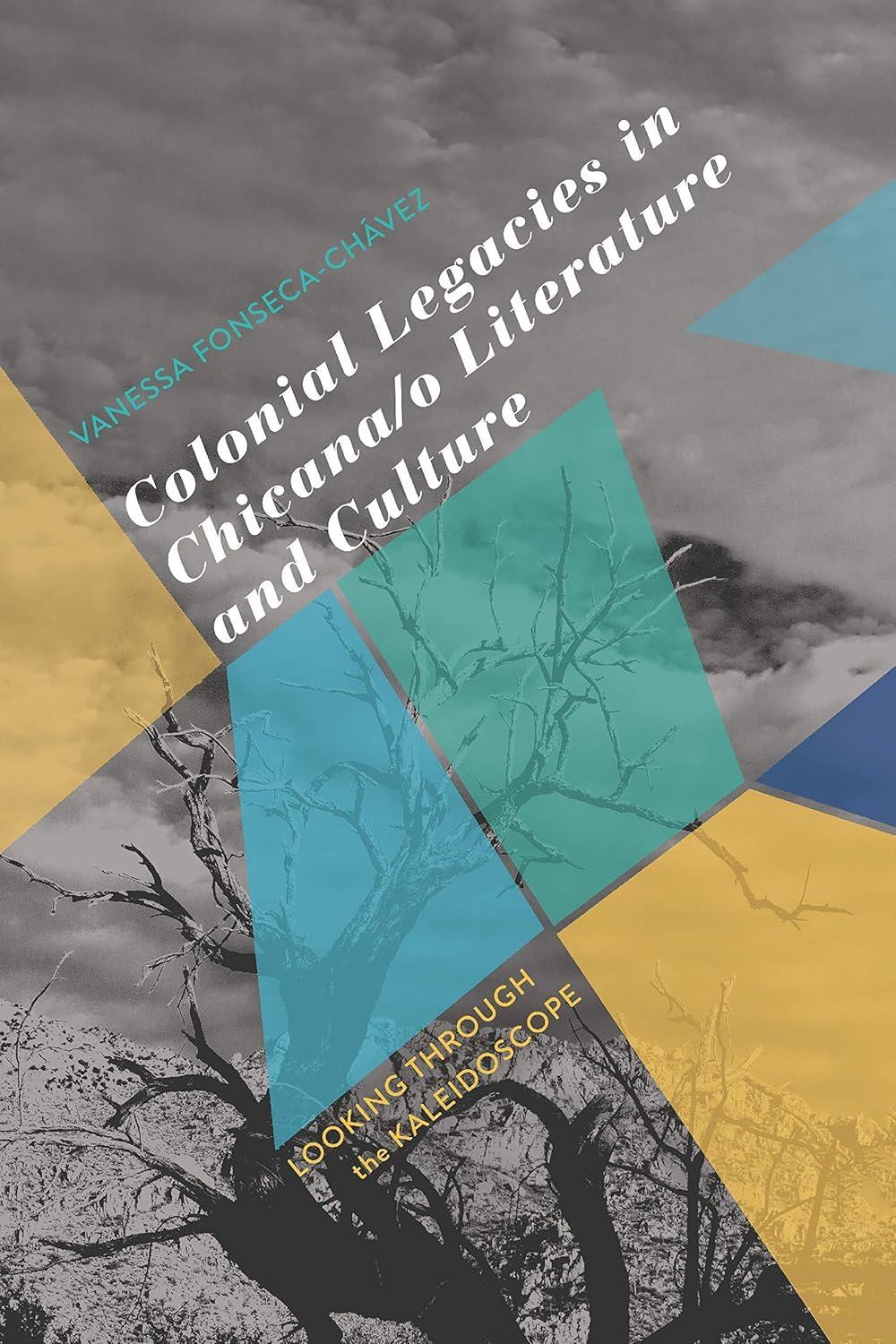
In Colonial Legacies in Chicana/o Literature and Culture, author Vanessa Fonseca-Chávez invites readers on a fascinating journey through the intricate tapestry of colonial influence that has shaped Chicana/o literary and cultural production in the U.S. Southwest. Drawing on extensive research, this book reveals how the region's complex history—at least two distinct colonial periods since the sixteenth century—continues to echo in contemporary cultural expressions.
The book masterfully examines how Spanish colonial texts reflect the underlying motivations for colonial domination while simultaneously tracing the layers of U.S. colonialism that continue to complicate Chicana/o scholarship. Fonseca-Chávez brings into focus the experiences of Chicana/o communities whose cultural heritage is deeply tied to multiple nations—Spain, Mexico, and the United States—creating a rich, complex identity that challenges traditional narratives.
Through the powerful metaphor of the kaleidoscope, the author makes visible the rupturing of colonial fragments via political and social urgencies. This innovative approach allows readers to see how Chicana/o literature simultaneously upholds and challenges colonial constructs, creating dynamic tensions that fuel cultural evolution and resistance.
What sets this book apart is its ability to blend rigorous academic analysis with accessible personal narrative threads. Readers find themselves guided through complex theoretical concepts while following a relatable path to understanding fragmented identities. This dual approach makes sophisticated ideas accessible without sacrificing intellectual depth.
Whether you're a student of literature, cultural studies, or simply someone interested in the American Southwest's rich history, this book offers valuable insights. It challenges readers to shift their perspectives, consider stories both told and untold, and advocate for the inclusion of fragmented and peripheral pieces in our cultural understanding.
Particularly relevant for those interested in New Mexico, Texas, and Arizona, this book provides crucial context for understanding the colonial legacies that continue to shape these regions today. The analysis offers concrete examples of how colonial history manifests in contemporary cultural production.