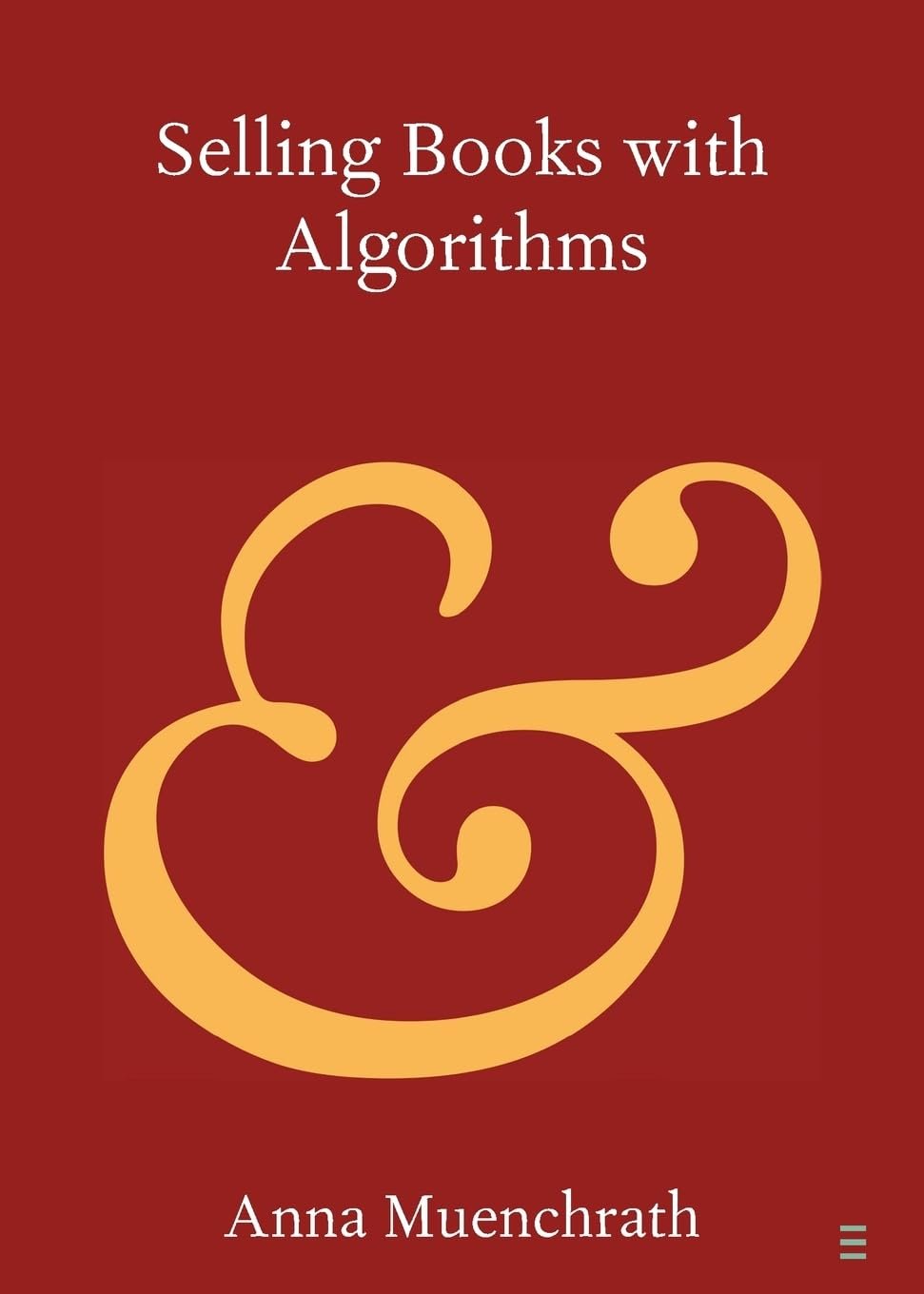
Picture this: You're scrolling through Amazon late at night, and suddenly, a book recommendation pops up that hits every interest you've ever hinted at. It's not magic—it's algorithms at work. 'Selling Books with Algorithms' gives you a front-row seat to how these systems have transformed Amazon from a scrappy online bookseller in 1997 into the behemoth it is today.
In the early days, online bookselling was straightforward, but Amazon changed the game by harnessing user data and smart algorithms. These aren't just code running in the background; they're the engines that decide which books you see and which ones fade into obscurity. The book breaks it down simply: algorithms sift through your purchases, searches, and even wishlist items to predict what you'll buy next. They make books visible, pushing lesser-known titles to the forefront or keeping bestsellers on top.
But it's not all about efficiency. The author argues that we should view these recommendations through a cultural lens— as 'performances' that carry the weight of imagined authority. Sometimes they nail it, creating that delightful 'aha' moment when you discover a gem. Other times, they miss the mark, influenced by market trends or data biases. This perspective helps us understand why certain books gain traction while others don't, without treating tech as an all-knowing oracle.
Beyond the recommendations, algorithms reshape the entire bookselling landscape. For bookstore staff, it means shifting labor—from curating shelves based on intuition to optimizing for digital visibility. The book delves into these material effects, showing how data-driven decisions affect jobs, inventory, and even the creative side of publishing.
Think about the indie bookseller competing with Amazon's machine. How do they adapt? Or consider authors wondering why their book isn't showing up in searches—these algorithms hold real power over visibility and sales. By highlighting these dynamics, the Element encourages a deeper look at the tech's role in culture.
If you're a voracious reader, a publishing pro, or just tech-curious, this book offers practical insights. It answers questions like: How can you spot algorithmic biases in your feed? What does 'algorithmic literacy' mean for the future of books? Scenarios abound—from using these insights to find hidden reads, to advocating for fairer systems in the industry.
Looking ahead, the author calls for more research and education on these tools, suggesting the bookselling world invest in understanding them. It's a thoughtful nudge toward a more informed reading ecosystem, where algorithms serve us rather than steer us blindly. Dive in, and you'll never look at your next 'recommended for you' the same way.