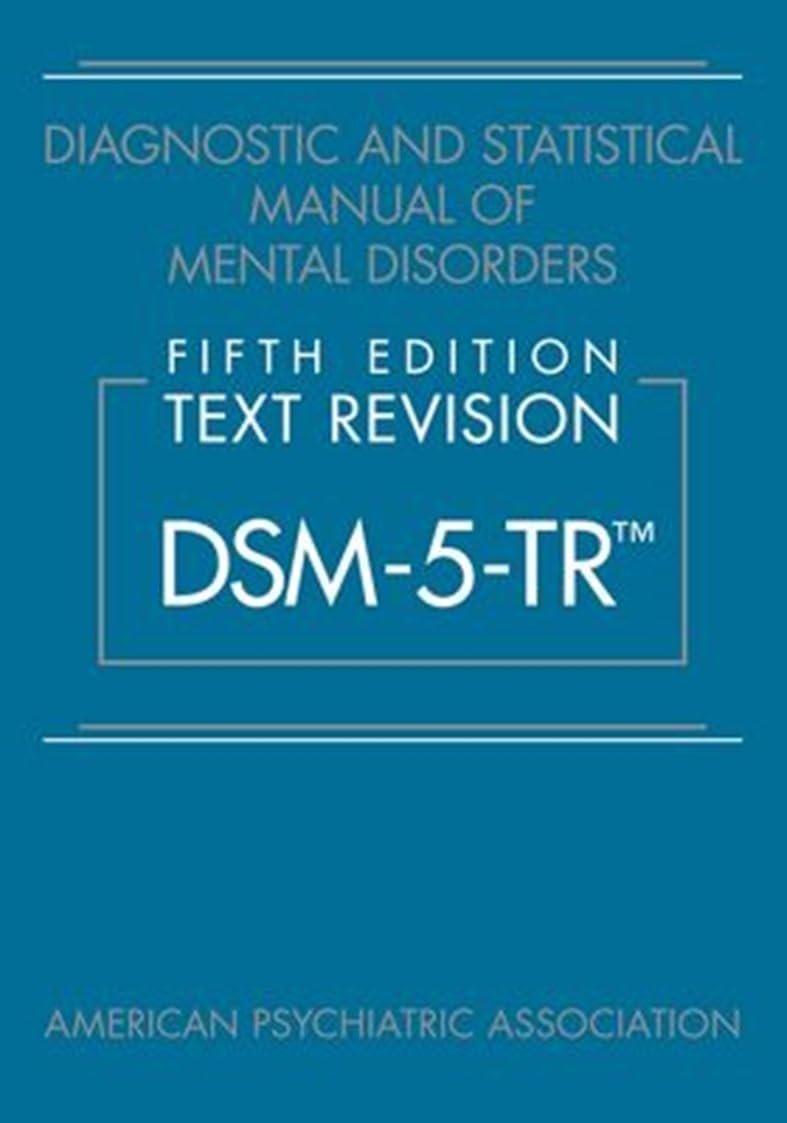
The Diagnostic and Statistical Manual of Mental Disorders, Fifth Edition, Text Revision (DSM-5-TR) represents the gold standard in psychiatric diagnosis and classification. As the most comprehensive and current resource available to mental health clinicians and researchers, this manual provides the authoritative framework needed for accurate diagnosis and treatment planning across all clinical settings.
This edition features fully revised text for each disorder with updated sections on associated features, prevalence, development and course, risk factors, cultural considerations, and differential diagnosis. With over 70 modified criteria sets since the original DSM-5 publication, clinicians can access the most current diagnostic standards based on the latest scientific literature.
Significant updates include the addition of Prolonged Grief Disorder (PGD) to Section II, recognizing this important clinical condition. The manual also introduces new codes to flag and monitor suicidal behavior, available to all clinicians regardless of discipline—no additional diagnosis required. These updates reflect evolving understanding of mental health needs and provide clinicians with essential tools for comprehensive assessment.
Developed with contributions from over 200 subject matter experts, this manual represents the collective wisdom of the psychiatric community. The four-color design enhances readability while the fiber-coded security sticker ensures authenticity verification. Updated ICD-10-CM codes since 2013—including over 50 new coding updates for substance-related disorders—make this an indispensable reference for clinical practice, research, and education.
Whether you're working in inpatient, outpatient, partial hospital, consultation-liaison, private practice, or primary care settings, the DSM-5-TR provides the common language needed for accurate communication about mental disorders. The manual also integrates important considerations about the impact of racism and discrimination on mental disorders, reflecting a more comprehensive understanding of cultural factors in diagnosis.