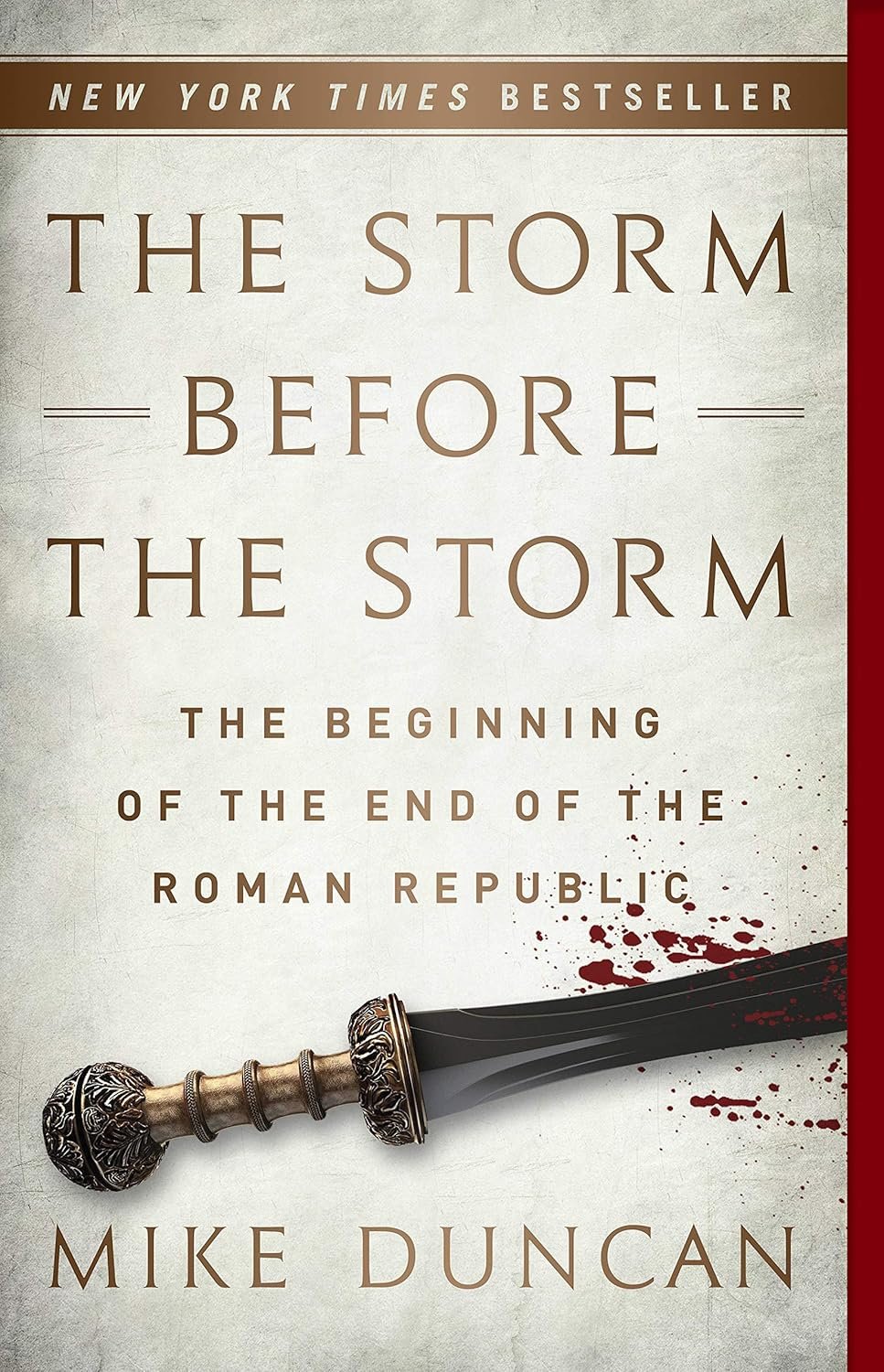
Step back into the tumultuous days of ancient Rome, where political ambition and violent clashes shaped the destiny of one of history's most impressive empires. The Storm Before the Storm not only tells the story of battles and political maneuvers but also captures the human drama that unfolded as the Republic crumbled. This engaging history transports readers into the heart of a pivotal moment, where the foundations of democracy faced unprecedented challenges.
By 146 BC, Rome had transformed from a small city-state into a dominant power in the Mediterranean. However, the very expansion that marked its triumph became the catalyst for its downfall. Economic inequality disrupted traditional lifestyles, while social prejudices fueled conflicts over citizenship and rights. As corruption festered and ambition turned ruthless, the venerable system of governance began to crack under pressure.
Chronicling the years from 146 to 78 BC, the book presents a vivid portrait of figures such as Marius, Sulla, and the Gracchi brothers, who lurched away from the Republic's foundational principles. Their actions set alarming precedents, showing how ambition and desperation can jeopardize the fragile stability of society. Through their stories, we witness the shift from a cooperative governance model to one riddled with strife and discord.
The Storm Before the Storm serves not just as a recounting of historic events, but as a cautionary tale for modern times. Readers will discover that the struggles of past civilizations can resonate deeply in today's world, echoing the familiar themes of inequality and the consequences of political ambition. As you explore these critical moments, you will come to understand the lessons that history has to offer.
Whether you are a history buff or just curious about the events that shaped Western civilization, this book provides a compelling narrative that is both informative and thought-provoking. Engrossing anecdotes and rich details make it an essential read for anyone looking to understand the complexities of power and governance.