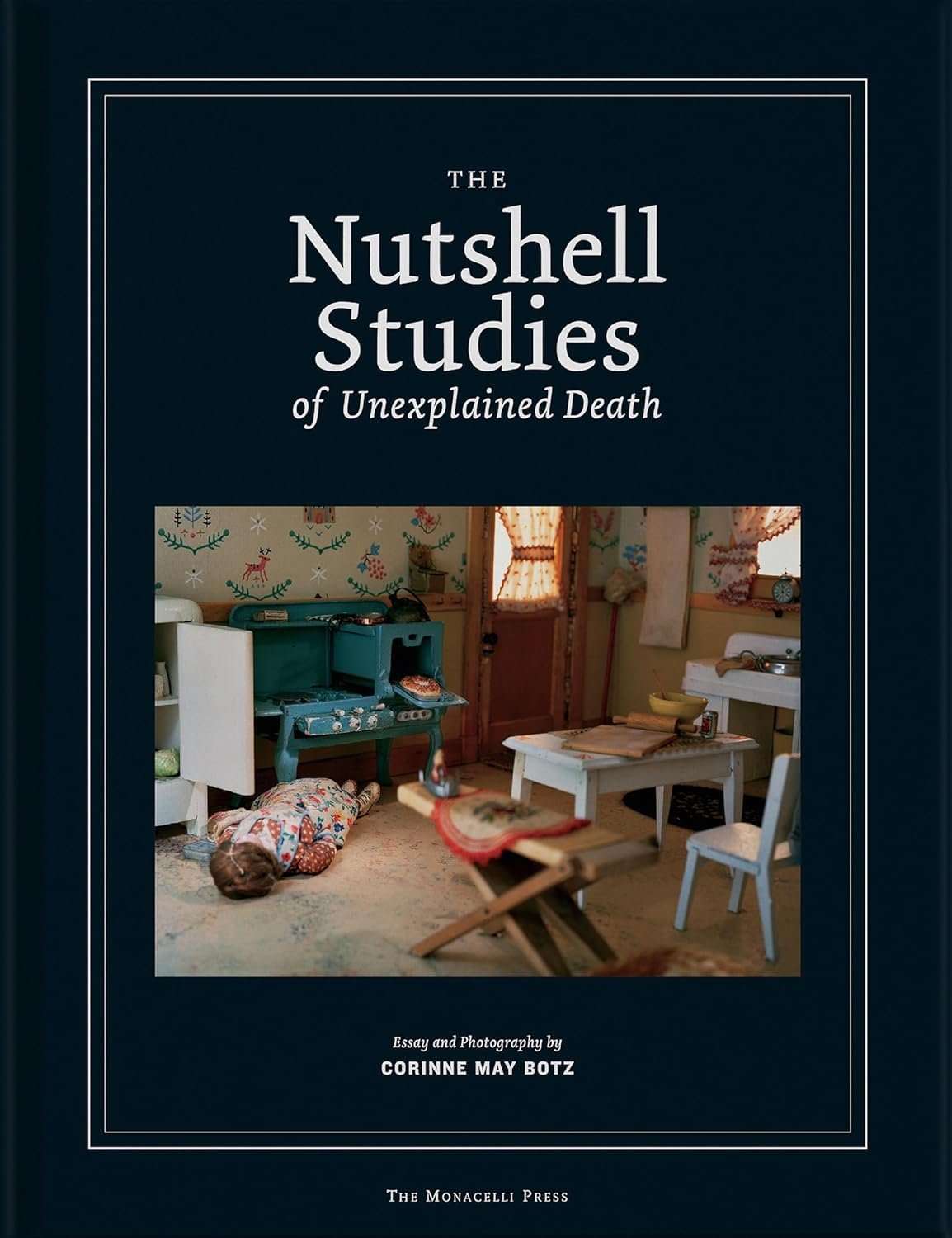
Behind the doors of ordinary-looking dollhouses lies a world of forensic mystery that changed how detectives solve crimes. Frances Glessner Lee, a wealthy grandmother with an extraordinary passion for justice, didn't just collect miniatures—she built them as tools for truth.
In the 1940s and 1950s, long before CSI made forensics mainstream, Lee established the Department of Legal Medicine at Harvard and became a captain in the New Hampshire police. But her greatest contribution came in the form of eighteen painstakingly crafted dioramas, each a perfect 1:12 scale reproduction of actual crime scenes. These weren't toys—they were classrooms in miniature, designed to train detectives to see what others miss.
What makes these Nutshell Studies extraordinary isn't just their scale, but their astonishing level of detail. The window shades actually move, the tiny whistles blow when you touch them, and pencils can write on microscopic notepads. Every object, every placement, every minute detail serves a purpose—concealing or revealing clues that would make or break a real investigation. Botz's lush color photography captures these details with breathtaking clarity, pulling you into scenes where every shadow tells a story.
These aren't just crime scenes—they're windows into the hidden corners of domestic life. Each diorama tells a tale of prostitution, alcoholism, and adultery, transformed from real cases into miniature dramas that reveal the psychological and physical evidence that tells the truth. The accompanying line drawings highlight the forensic evidence that detectives learn to spot, making this both an art book and a practical training manual from a bygone era of police work.
This collection stands as a testament to one woman's determination to bring scientific rigor to criminal investigation, proving that sometimes the smallest spaces hold the biggest truths.