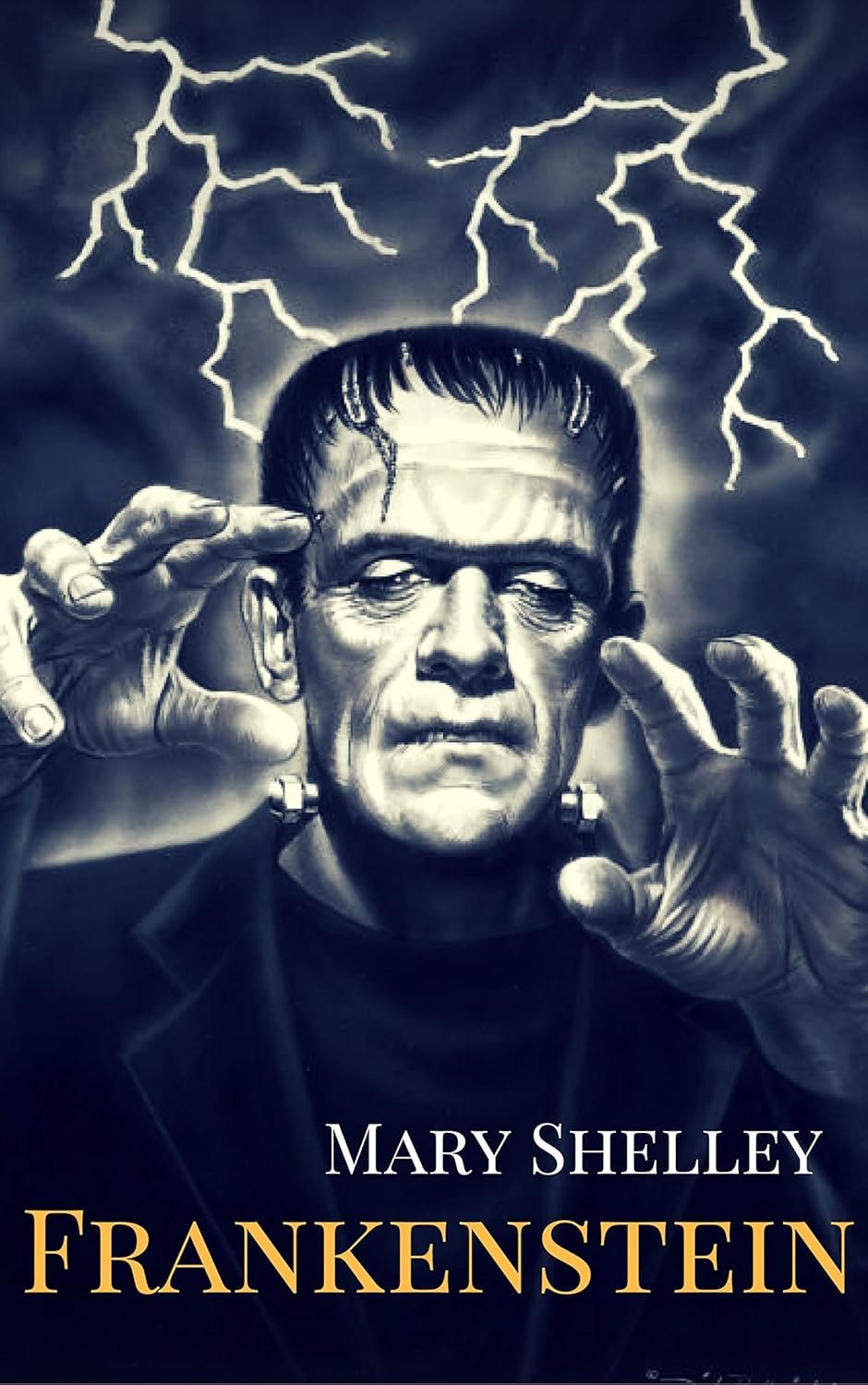
Mary Shelley’s Frankenstein; or, The Modern Prometheus is one of the most influential novels in Western literature. Published in 1818, it sets the stage for the science fiction genre through its gripping tale of ambition, creation, and the unsettling consequences of playing God. The central figure, Victor Frankenstein, is a brilliant scientist who becomes obsessed with the idea of creating life. But what unfolds when he brings to life a being that he cannot control?
The novel examines profound themes such as the responsibilities of a creator towards their creation, the consequences of forsaking societal norms, and the dangers of unchecked ambition, particularly resonant during the Industrial Revolution. Through gothic elements and rich character development, Shelley illustrates the tragic downfall of Frankenstein as he confronts the horror of what he has wrought—a creature that is not only physically imposing but also deeply affected by isolation and rejection.
Despite its dark undertones, Shelley's work is a cornerstone of romantic literature, merging the excitement of scientific discovery with the depths of human emotion. The Creature, often mistakenly referred to as Frankenstein, embodies the narrative’s moral quandaries while also evoking empathy. The book serves as a warning against the hubris of humanity, ultimately capturing the duality of creation: the potential for greatness shadowed by terrifying consequences.
Influences and Adaptations
Frankenstein has not only shaped literature but has transcended into popular culture, inspiring numerous adaptations in film, theater, and other media. Its legacy continues to provoke discussions regarding biotechnological advancements and ethical dilemmas within science today. The unique blend of gothic horror and philosophical inquiry makes this novel essential reading for anyone interested in the intersections of human innovation and morality.
Whether you're exploring it for the first time or revisiting its themes, Frankenstein remains a compelling exploration of the complexities of creation and the human condition.