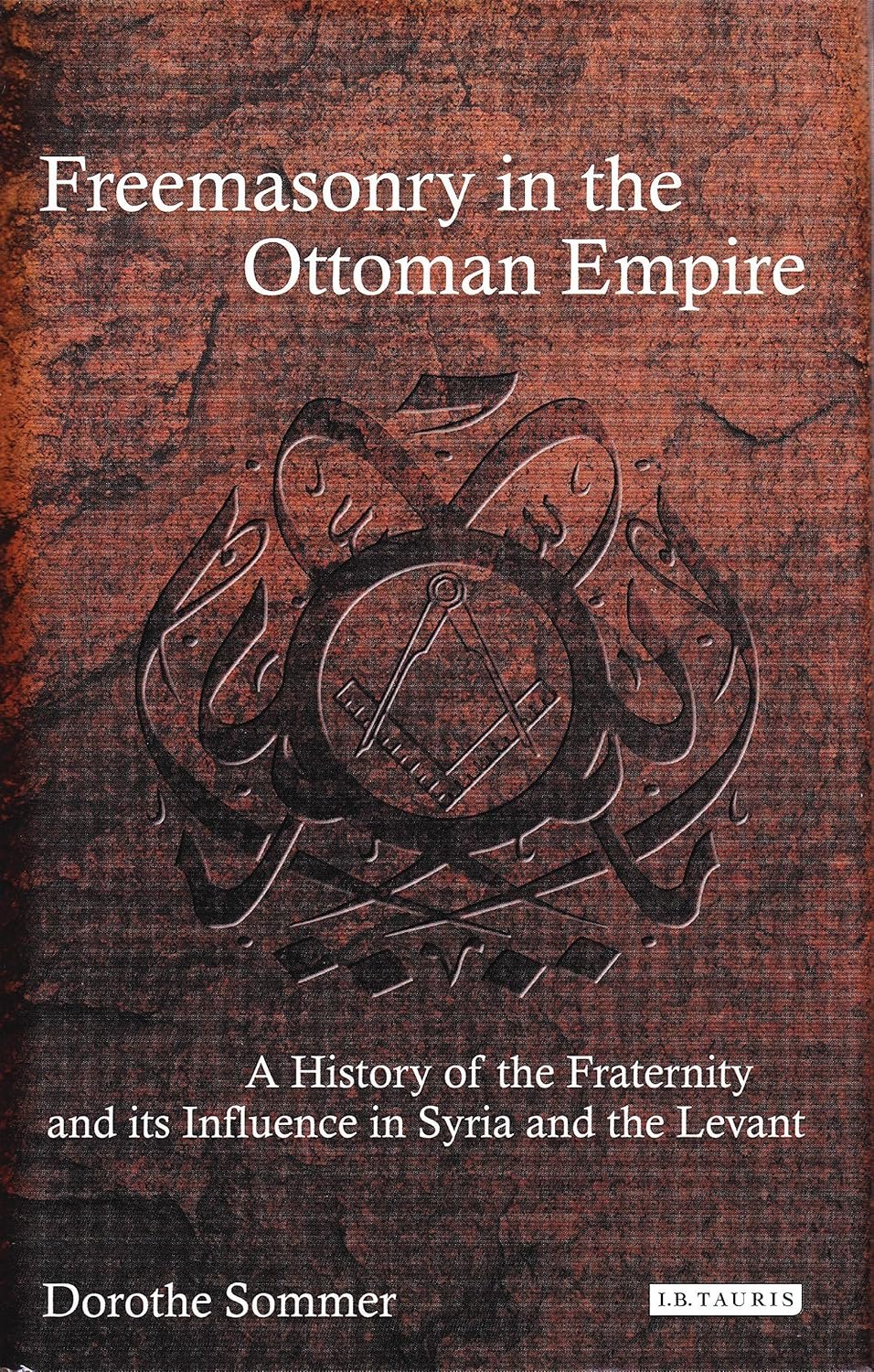
For centuries, Freemasonry in the Middle East has remained shrouded in mystery and misconception. Many have dismissed it as merely a Western influence, but Dorothe Sommer's groundbreaking research reveals a far more complex and fascinating story. This book uncovers how Masonic lodges actually developed their own unique character in Greater Syria during the critical transition period of the late nineteenth and early twentieth centuries.
What makes this history particularly compelling is how Masonic lodges became one of the very first institutions in what is now Syria and Lebanon to successfully transcend religious and sectarian boundaries. At a time when society was deeply divided along religious lines, the lodges attracted a diverse mix of participants—including prominent families like the Trad and Yaziji, as well as notable figures such as Khaireddeen Abdulwahab, Hassan Bayhum, Alexander Barroudi, and Jurji Yanni.
Sommer's analysis provides invaluable insights into the social and cultural structures of Masonic networks during a pivotal juncture in Ottoman history. Rather than serving as mere Western outposts, these lodges actively promoted local and regional identities. The book demonstrates how Freemasonry functioned as a unique social space where individuals from different backgrounds could interact and collaborate, often for the first time in their lives.
This academic yet accessible work fills an important gap in our understanding of Middle Eastern social history. By examining the interconnections between Masonic lodges and the broader Ottoman context, Sommer offers researchers a fresh perspective on the region's complex social fabric. The detailed analysis of individual participants and their networks provides concrete evidence of how these institutions actually functioned on the ground, making it an indispensable resource for anyone studying the transition from Ottoman to modern Middle Eastern societies.