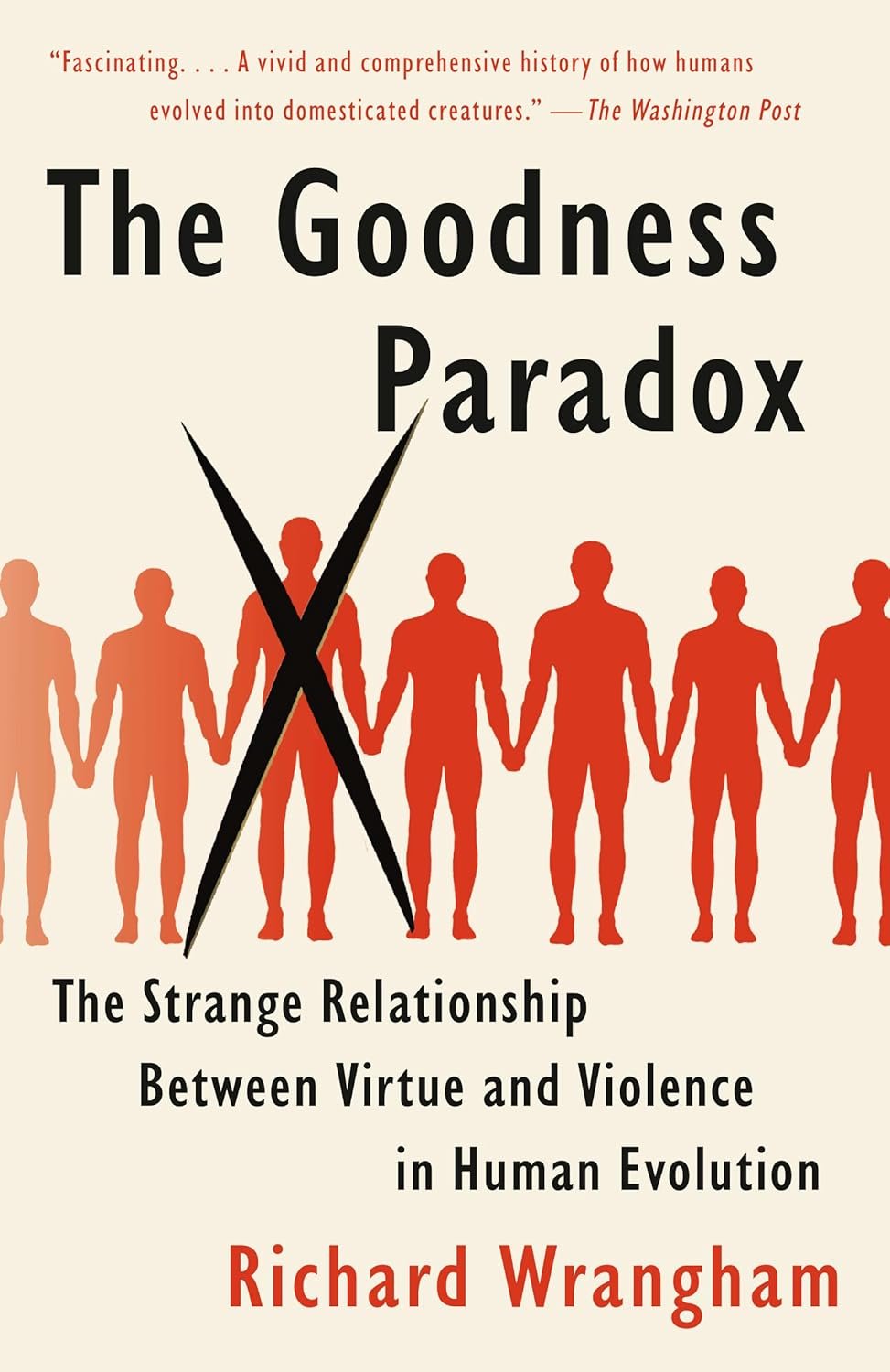
Have you ever wondered why humans can simultaneously embody kindness and cruelty? In The Goodness Paradox, biological anthropologist Richard Wrangham addresses this perplexing facet of our species. Drawing on rich evidence derived from primate behavior, human evolutionary history, and contemporary societies, this book delves into our duality of aggression.
The analysis begins by exploring the two types of aggression evident in primates, each serving distinct evolutionary roles. Wrangham intriguingly contrasts the violence conducted in contemporary cultures with that of our primate relatives, leading to valuable insights about our own behaviors. How did our ancestors evolve to incorporate social tolerance into their existence, and what prompted the display of proactive aggression?
This book sheds light on critical questions: What role did the advent of language play in human evolution? How has capital punishment influenced societal structures? With its historical lens, The Goodness Paradox reveals that the journey of humanity has been one of becoming more civilized while still retaining an innate capability for calculated violence.
Wrangham’s arguments are not only engaging but also socially relevant, as he challenges readers to reflect on the ongoing battle between cooperation and divisiveness in our shared environment. In a world still plagued by violence, understanding our evolutionary background can be a powerful tool for fostering tolerance and peace.
As you read The Goodness Paradox, prepare to re-evaluate preconceived notions about morality, kindness, and the darker aspects of human nature. This work stands out as an authoritative guide through the complexities of our evolutionary journey, making it a must-read for anyone intrigued by human behavior.