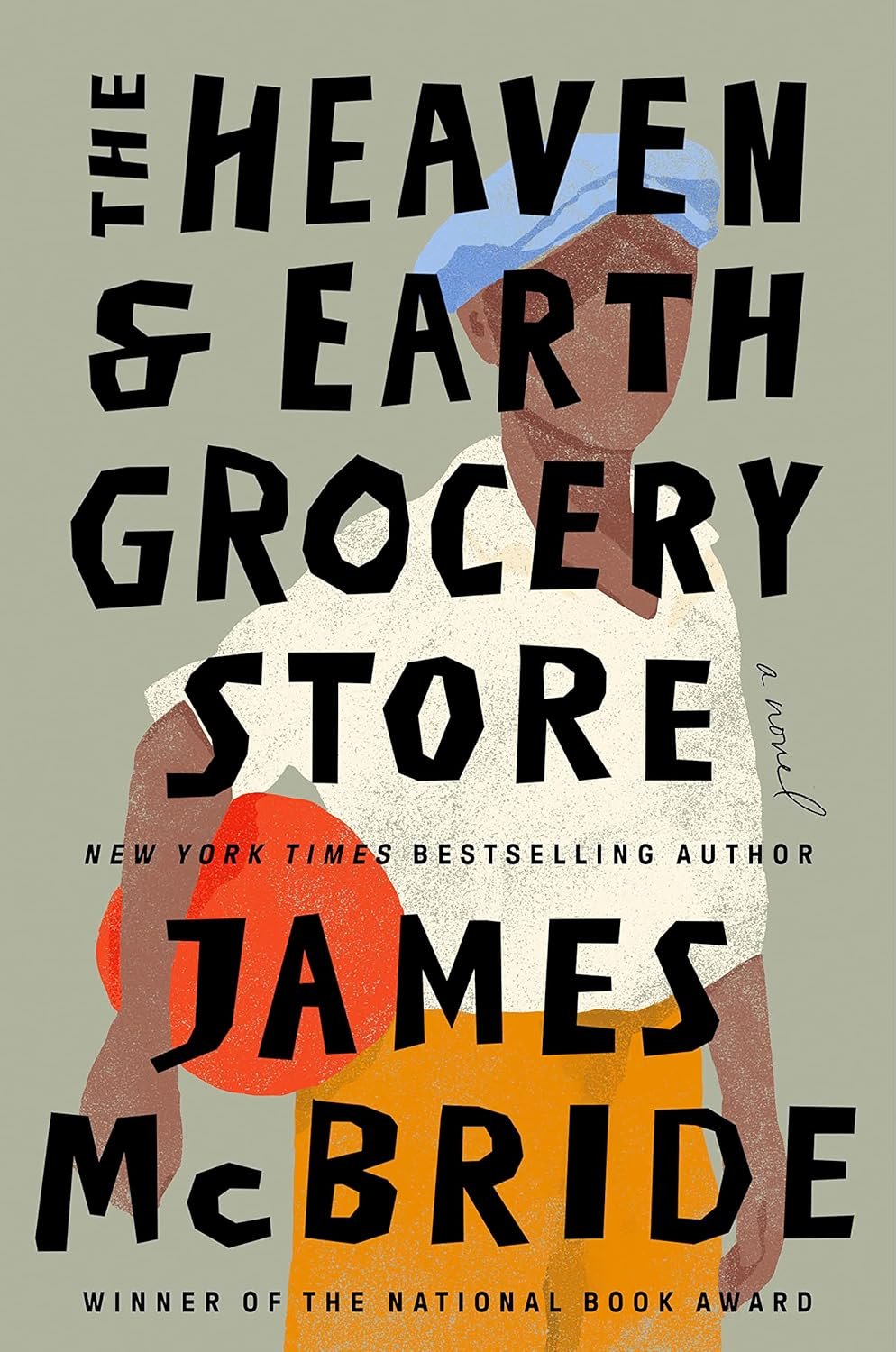
Picture this: 1972, Pottstown, Pennsylvania. Workers digging for a new development stumble on a skeleton at the bottom of a well. That's the hook that pulls you into James McBride's The Heaven & Earth Grocery Store, a novel that's climbed bestseller lists and snagged spots on 'best of' lists from NPR, The New York Times, and even Barack Obama.
Chicken Hill isn't some glossy suburb—it's a rundown neighborhood where immigrant Jews and African Americans live shoulder to shoulder, chasing the same dreams while dodging the same prejudices. Moshe Ludlow integrates his theater, his wife Chona runs the local grocery store that gives the book its name, and Nate Timblin, the Black janitor with real sway in the community, keeps things steady. When the state eyes a deaf boy for institutionalization, these folks don't hesitate—they scheme and sacrifice to shield him.
McBride weaves their lives together like threads in a well-worn quilt. You'll meet characters who feel real, from the theater owner pushing boundaries to the storekeeper doling out kindness with her canned goods. It's not just a mystery; it's a window into how white Christian America's edges forced people to rely on each other. Secrets unravel slowly, revealing the town's darker role, but it's the warmth—the shared laughs, the quiet acts of defiance—that lingers.
Reading it feels like sitting on a porch in Chicken Hill, hearing stories passed down over coffee. The prose is alive, full of humor amid heartache, much like McBride's earlier hits Deacon King Kong and The Good Lord Bird. It's perfect for book clubs debating community and resilience, or anyone craving fiction that affirms humanity without preaching.
Grab the Kindle edition and lose yourself in Pottstown's past. You'll close the book believing, like McBride shows, that heaven and earth—love and grit—keep us going. A 2024 Library of Congress Prize winner that's as compassionate as it is clever.