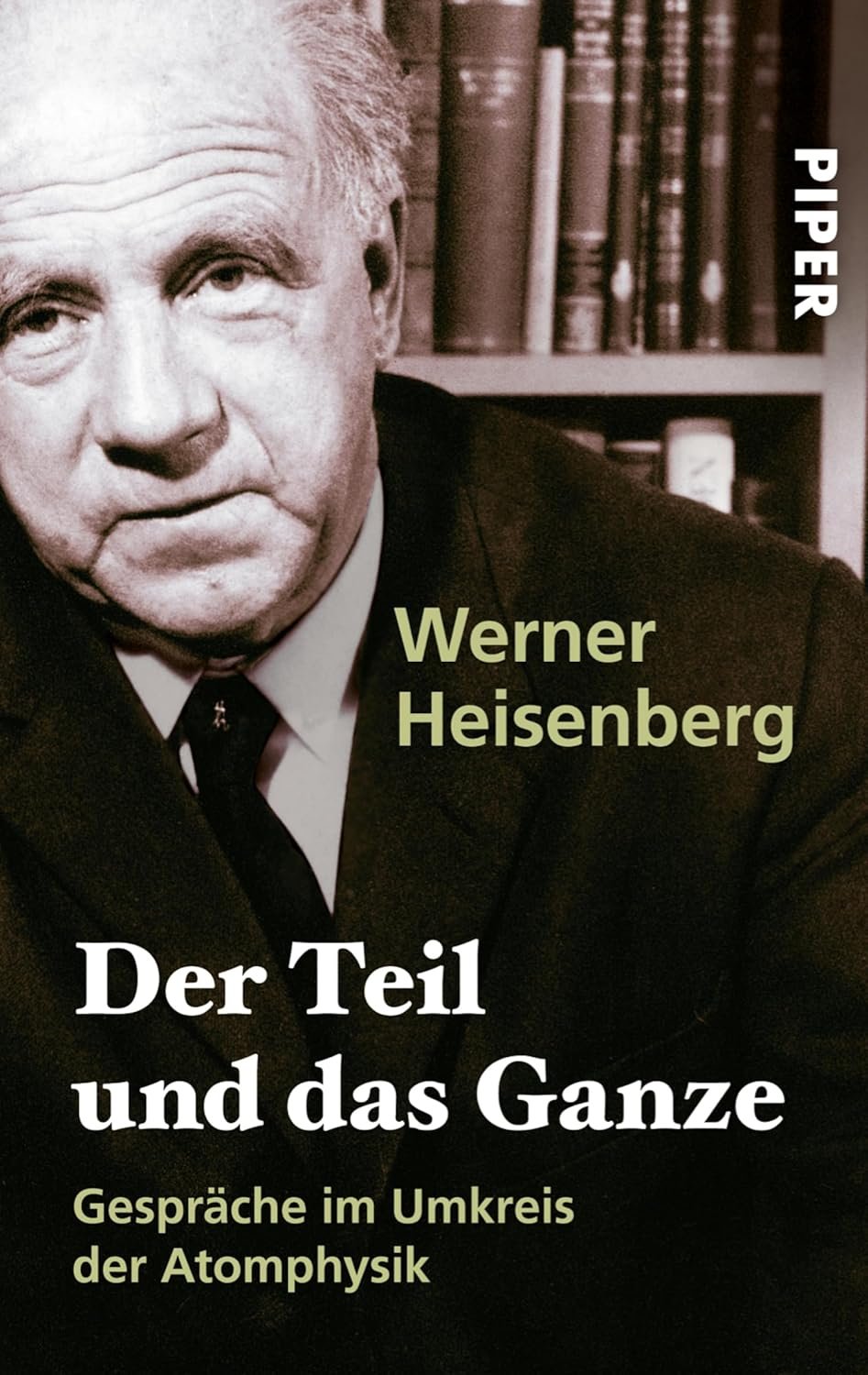
In "Der Teil und das Ganze: Gespräche im Umkreis der Atomphysik," renowned physicist and Nobel laureate Werner Heisenberg shares the intimate details of his life and thoughts during pivotal moments in history. This German edition takes readers on a reflective journey, not only through Heisenberg's stellar achievements but also through the tumultuous times that shaped his perspectives.
Set against the backdrop of the Munich Soviet Republic and the rise of the Nazi regime, Heisenberg’s conversations illuminate how these socio-political environments influenced scientific discourse. His reflections are rich with anecdotes, connecting him with other scientific greats, such as Albert Einstein, Max Planck, and Carl Friedrich von Weizsäcker. Readers gain a unique glimpse into the minds of these pioneers and the collaborative nature of science during times of conflict.
What makes this book particularly compelling is its autobiographical nature. Heisenberg's candid reflections allow readers to engage with the human side of science. He discusses his fears, hopes, and the ethical dilemmas faced by scientists during his era. This personal touch makes complex scientific ideas accessible, inviting a wider audience to appreciate the nuances of atomic physics.
This book serves not only as an inspiring biography but also as an educational resource. Students of physics and history will find it invaluable, while general readers will appreciate its narrative style. Whether you're delving into the intricacies of quantum mechanics or simply looking to understand the historical context of scientific advancements, Heisenberg’s insights shed light on how individual experiences can shape broader scientific developments.
Heisenberg's story is not just about scientific achievement; it's about the journey of a thinker navigating a complex world. "Der Teil und das Ganze" stands out as an essential exploration of the intersection between personal life and scientific progress. It invites readers to think deeply about the role of science in society, making it a must-read for anyone intrigued by the interplay of history and physics.