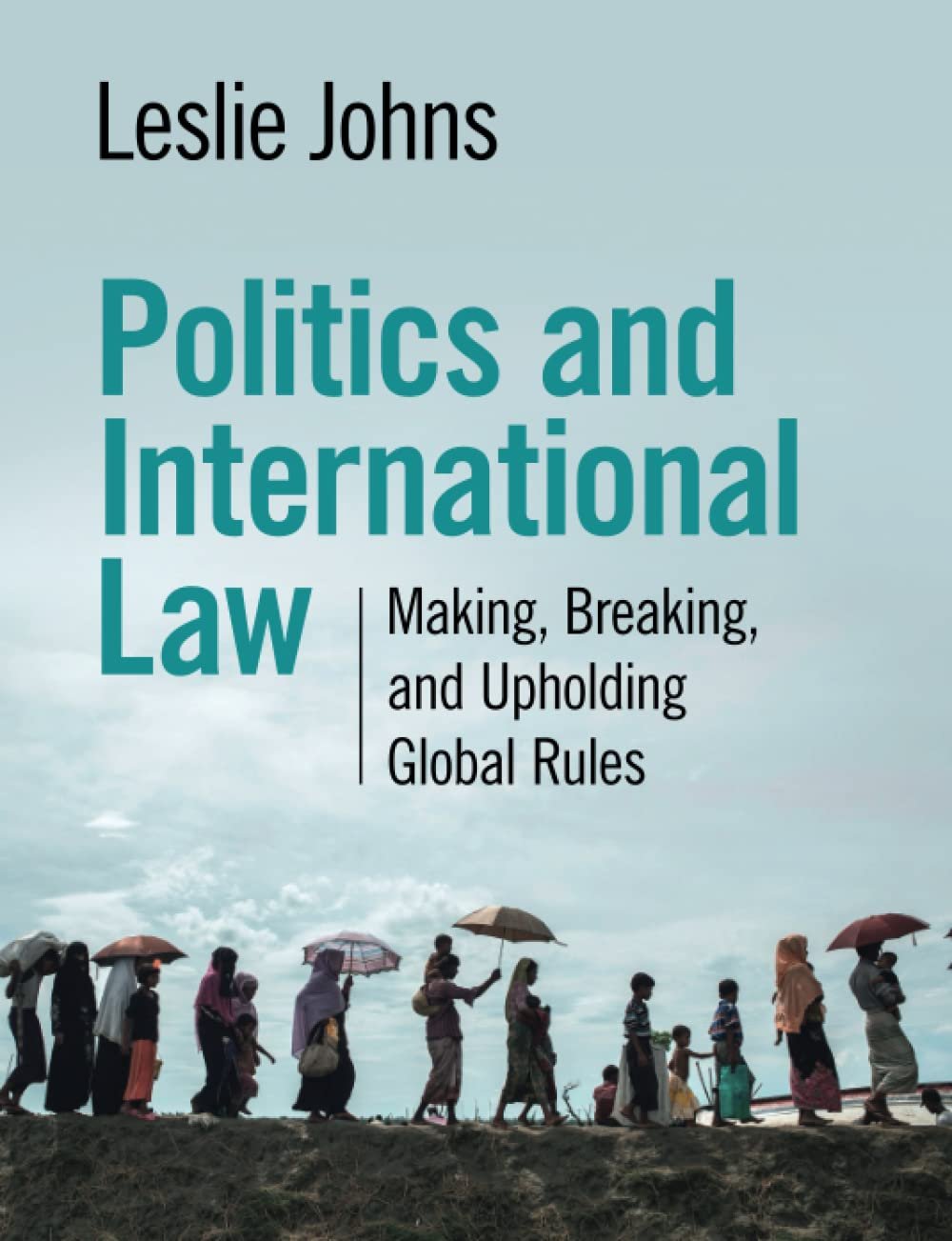
Ever wonder why certain products are available on your shelves or how international conflicts unfold? International law isn't just for legal elites—it's the invisible framework governing nearly every aspect of our global lives. This groundbreaking textbook breaks down complex legal concepts into understandable language, making international relations accessible to everyone from undergraduates to lifelong learners.
Most people encounter international law without even realizing it—whether it's the food we eat, the products we buy, or the rights we hold as global citizens. Yet these rules remain mysterious to most, locked away in dense legal language and academic journals. This text changes that by connecting theoretical concepts to real-world situations you see in the news, helping you understand the "why" behind international events.
Each chapter opens with a contemporary case study examining current political issues, from the bombing of Yemen to the use of chemical weapons in Syria. These aren't just historical examples—they're living situations that help you draw connections between abstract legal principles and concrete outcomes. The modular, self-contained structure lets you focus on topics that interest most while building a comprehensive understanding of international law.
Written specifically for accessibility, this textbook avoids unnecessary jargon and academic pretension. You'll find annotated judicial opinions that bring legal decisions to life, plus supplementary materials that make complex topics manageable. The book is perfect for classroom use or independent study, with ready-to-use PowerPoint slides and testbanks available for instructors.
Whether you're a student trying to make sense of global politics or simply someone who wants to understand how the world works, this book transforms international law from something intimidating into something fascinating. You'll finish each chapter with not just knowledge, but a new lens through which to view international events.