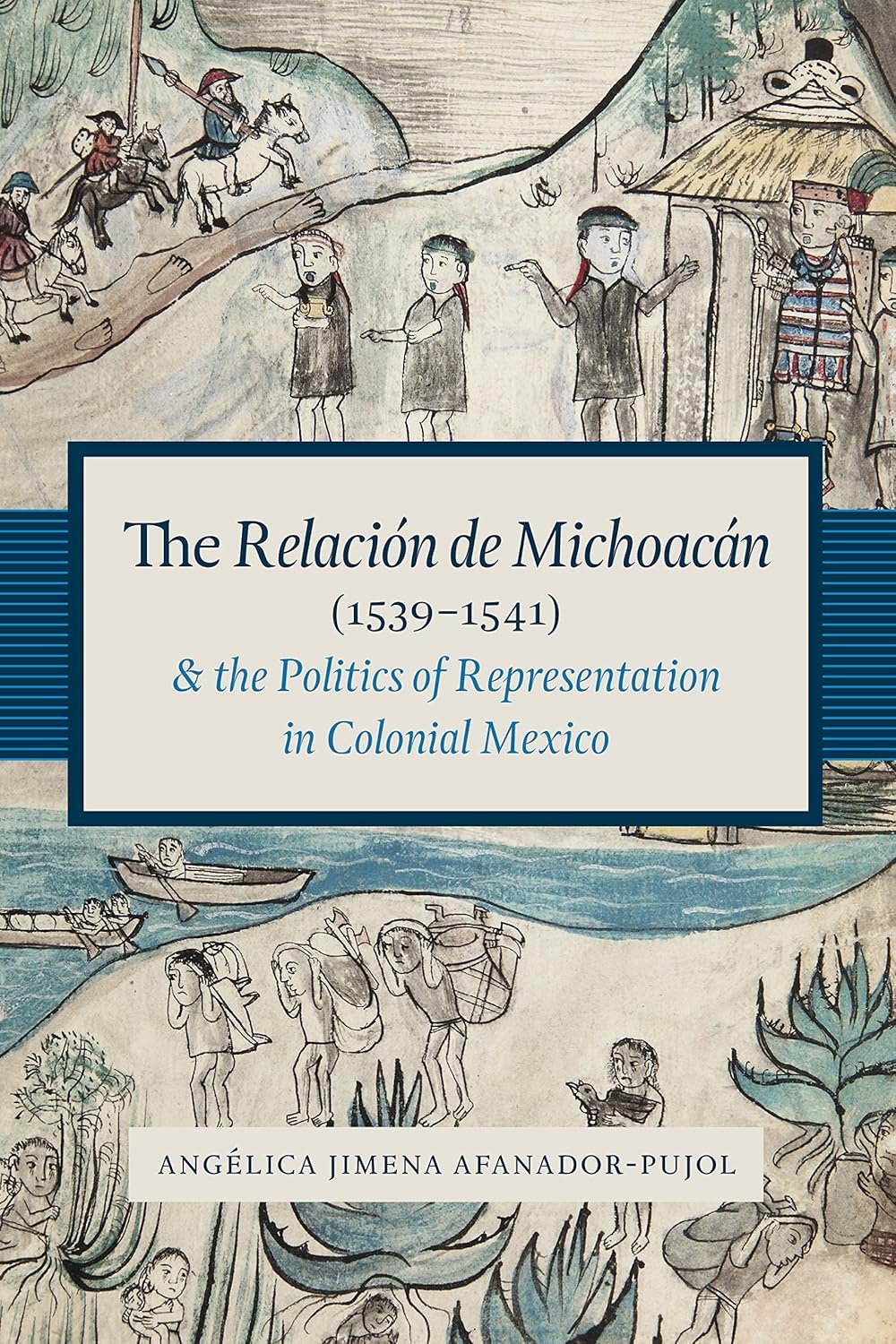
In the heart of colonial Mexico, something extraordinary was happening. While Spanish conquistadors sought to impose their worldview, indigenous nobles were quietly orchestrating one of history's most sophisticated campaigns of visual resistance. The Relación de Michoacán, created between 1539-1541, wasn't merely a record—it was a masterclass in political representation that allowed indigenous collaborators to shape European perceptions of their culture, history, and worth.
Imagine being a Tarascan noble in 16th-century Mexico, your world turned upside down by Spanish colonization. You have limited political power, but you possess something the newcomers desperately want: knowledge of your culture and history. The Relación became your canvas, your forty-four illustrations serving as subtle yet powerful statements about who you were, who you wanted to be, and where you fit in this new colonial order. This book takes you inside that world, showing how these seemingly innocent images were battlegrounds for political influence, cultural preservation, and social positioning.
What makes this manuscript so compelling isn't just its age or artistic merit—it's the fascinating story of how indigenous collaborators worked within colonial constraints to achieve their goals. They didn't reject Spanish authority outright; instead, they mastered the art of negotiation through visual language. Through careful analysis of emendations, contradictions between text and images, and strategic representations of justice, landscape, and genealogy, Angélica Afanador-Pujol reveals the complex political calculations behind every brushstroke.
This isn't just about art history—it's about understanding how marginalized groups can wield cultural production as a form of power. The Relación becomes a case study in how identity can be both constructed and contested, how collaboration doesn't always equal surrender, and how visual representation can be one of history's most potent political tools.