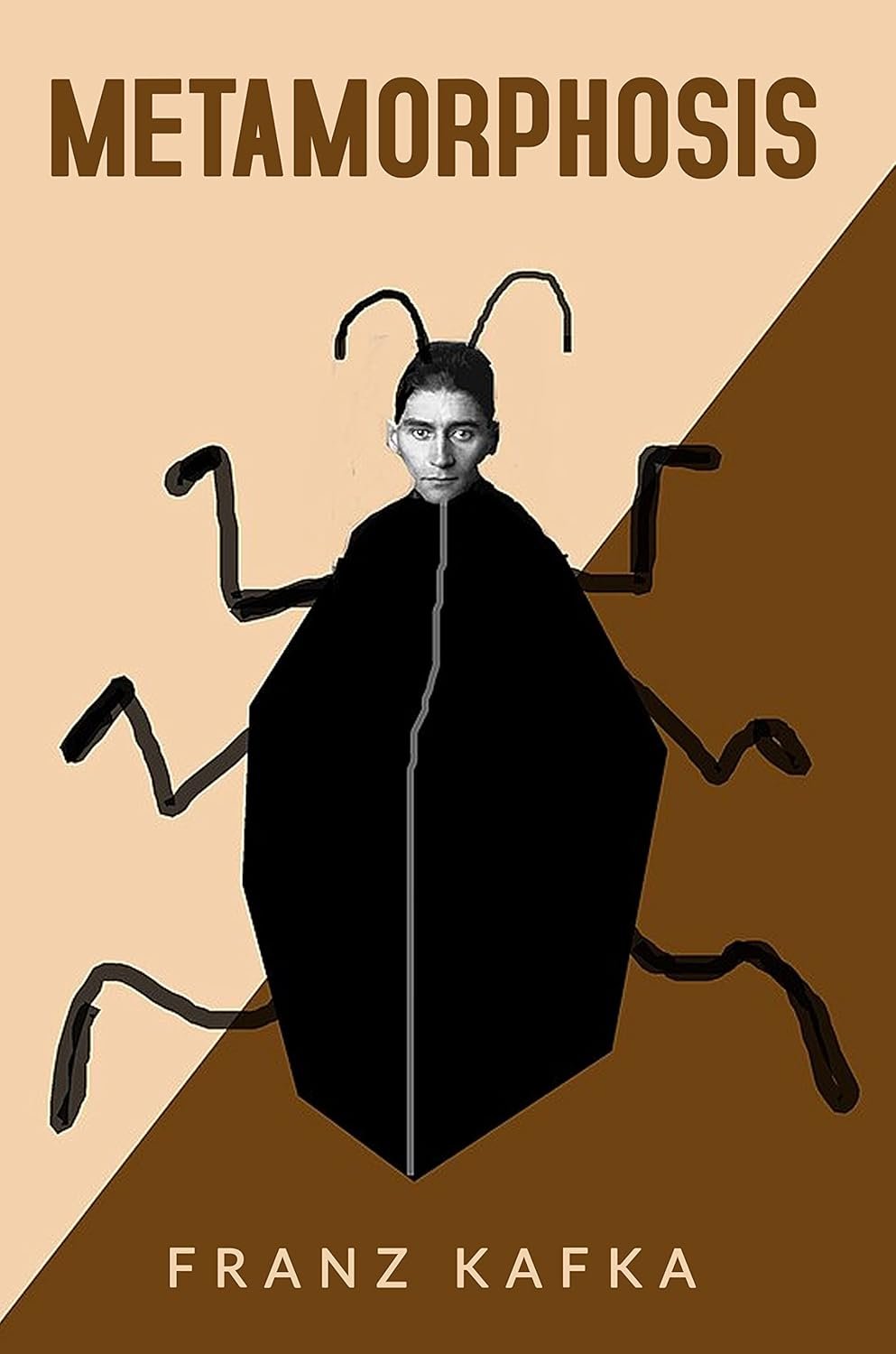
Written by Franz Kafka and first published in 1915, "Metamorphosis" (German: Die Verwandlung) is a captivating novella that explores the life-altering transformation of a traveling salesman named Gregor Samsa. One morning, Gregor awakens to find himself inexplicably turned into a gigantic insect, described in German as ungeheueres Ungeziefer, meaning "monstrous vermin." This shocking premise sets the stage for a deep exploration of alienation and self-identity.
Kafka's novella is renowned for its intricate narrative that delves deep into the human psyche. As Gregor grapples with his new reality, he faces numerous challenges in adjusting to life as an insect, impacting his relationship with his family and his sense of belonging. This powerful story raises questions about the nature of humanity and the impact of societal expectations on individual existence.
Spanning roughly 70 printed pages across three chapters, "Metamorphosis" stands as the longest story Kafka deemed complete during his lifetime. It has been widely discussed among literary scholars, considered a seminal work of existential literature. The story’s themes and symbols have inspired countless interpretations and adaptations, manifesting its profound influence on literature and popular culture.
The original publication of the text occurred in the October 1915 issue of the literary journal Die weißen Blätter, under the editorship of René Schickele. By December of the same year, it was released in book form as part of the series Der jüngste Tag, edited by Kurt Wolff.
With its unique blend of fantasy and realism, "Metamorphosis" continues to challenge readers and provoke thought on the complexities of human existence, making it a must-read for anyone interested in major literary works.