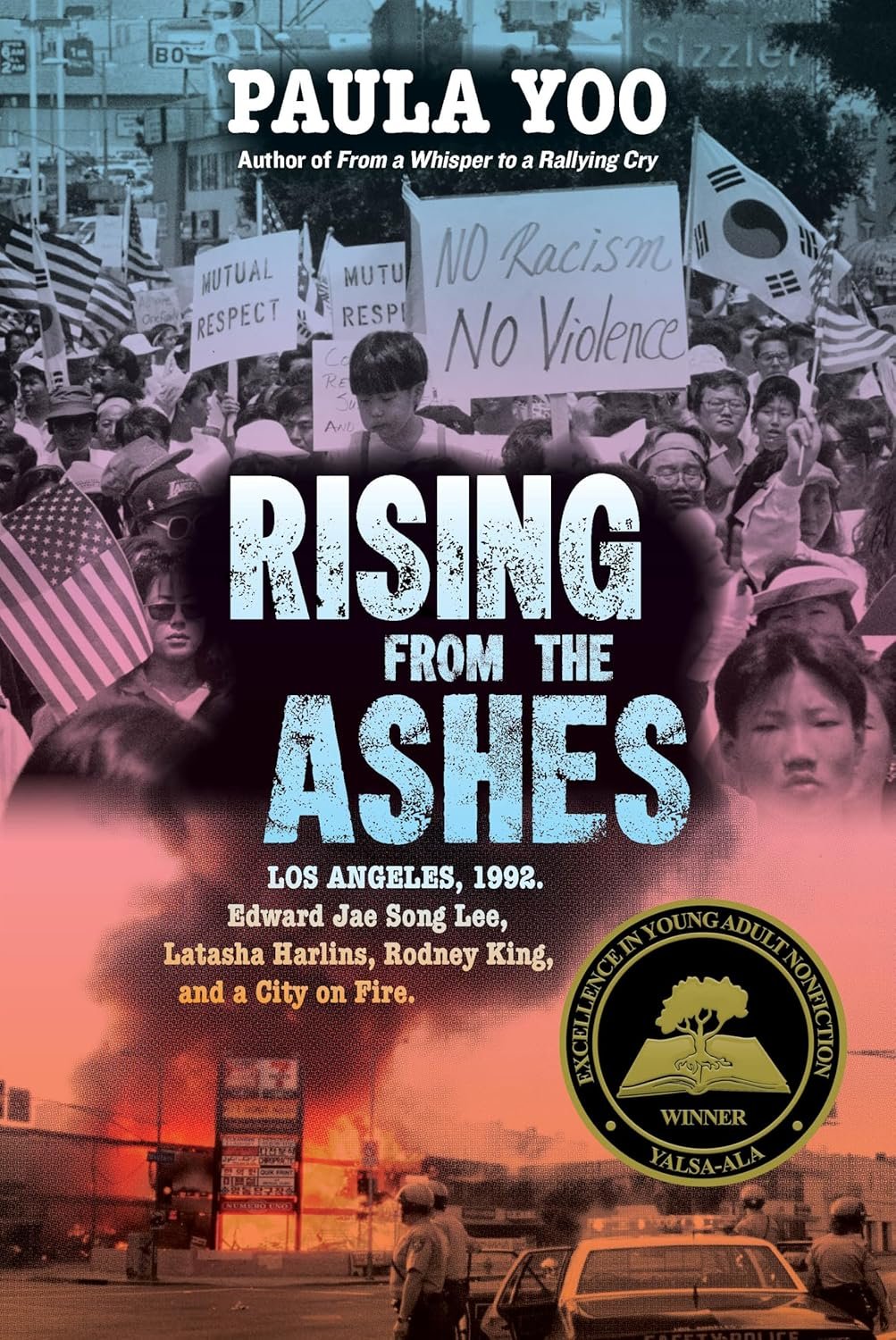
Imagine a city unraveling before your eyes—fires raging through the night, sirens blaring, and communities turning on each other in a desperate bid for justice. That's the raw backdrop of the 1992 Los Angeles uprising, but Rising from the Ashes goes deeper, pulling you into the intimate tragedies that sparked it all. As an award-winning book that's earned spots on best-of lists from YALSA, Horn Book, Kirkus, and more, Paula Yoo's narrative isn't just history; it's a pulse-pounding exploration of real lives caught in the crossfire.
Before the not-guilty verdicts for the officers who beat Rodney King hit the news, LA simmered with unrest. Economic divides, drug epidemics, and gang violence had already scarred neighborhoods, while racism simmered between Black and Korean American communities. The shooting of 15-year-old Latasha Harlins by a Korean storeowner just months earlier added fuel to the fire, creating a powder keg of resentment and fear. Yoo masterfully unpacks these layers, showing how years of neglect and prejudice led to the explosion that damaged over a billion dollars' worth of property and claimed 63 lives.
This book centers on three pivotal figures whose stories humanize the headlines. Rodney King's brutal assault became the symbol of police brutality, igniting protests that spiraled into riots. Latasha Harlins' death highlighted the deadly intersections of race and commerce, while Edward Jae Song Lee's killing during the chaos exposed the dangers faced by bystanders in the fray. Through their families' eyes, you feel the grief, the anger, and the quiet resolve that followed. It's not abstract history—it's personal, with black-and-white photos that capture the smoke-filled streets and weary faces.
What sets this account apart is the chorus of perspectives: a firefighter dodging bullets to save a burning building, a journalist dodging debris while reporting live, a storeowner barricading their shop against looters. Yoo interviewed dozens, creating a minute-by-minute timeline that makes you feel the heat of the moment. These details—the acrid smoke, the distant gunfire, the fear in a child's eyes—bring the events to life, helping you grasp why this wasn't just a riot, but an uprising born of deep inequities.
Over 30 years later, the scars of 1992 still shape LA and conversations about race, policing, and justice nationwide. Reading it, you'll ponder how far we've come and how much work remains, all while gaining insight into Korean American experiences often overlooked in mainstream narratives. Whether you're a history buff, a student tackling social issues, or someone curious about urban America's underbelly, this hardcover delivers thoughtful, unflinching storytelling. Grab it for your shelf—it's the kind of read that lingers, prompting discussions around the dinner table or in the classroom about building bridges from ashes.