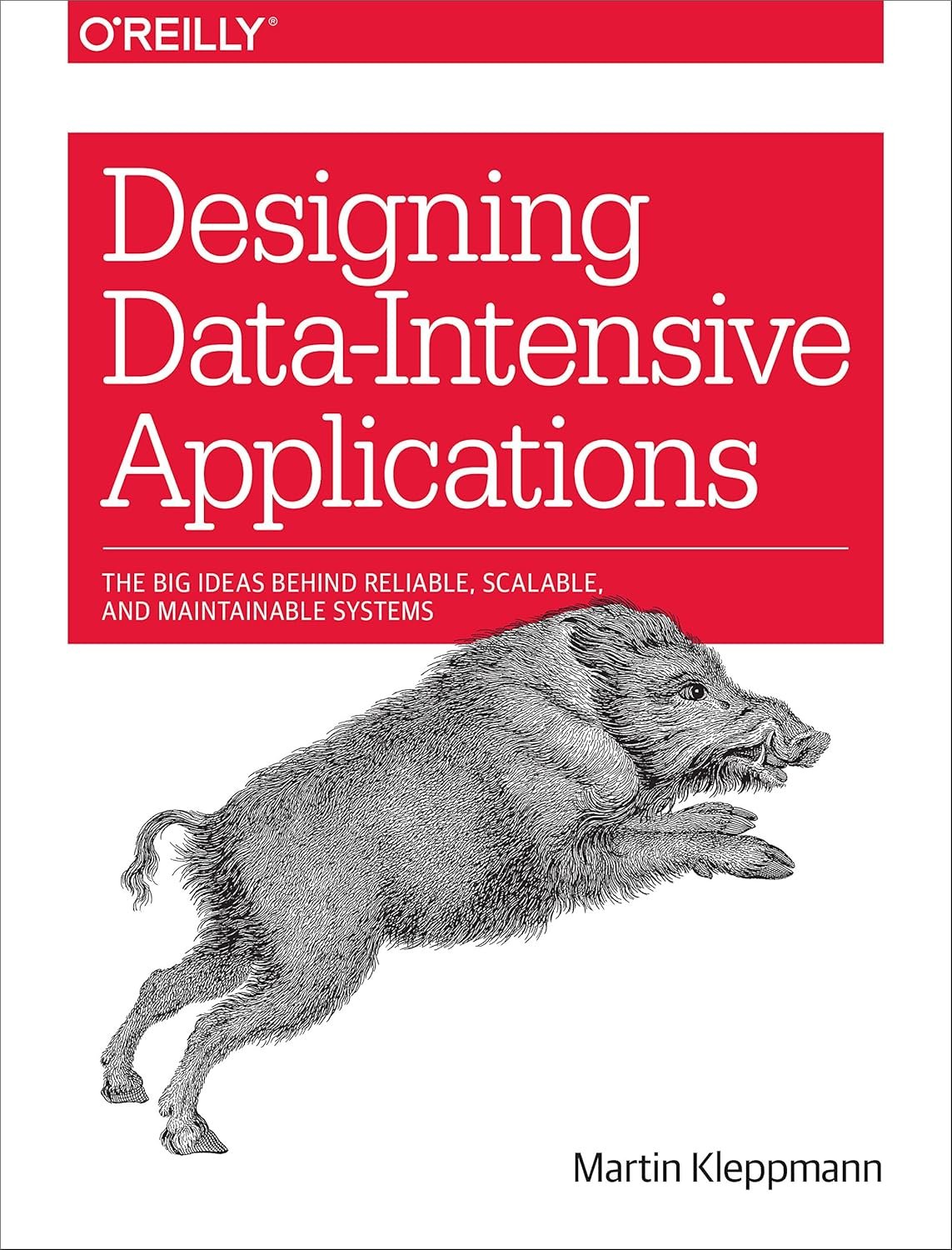
Data is at the heart of today's most challenging system design problems, and knowing how to handle it effectively can make or break your applications. This comprehensive guide cuts through the noise to help you understand what truly matters when building systems that scale.
The modern developer faces an overwhelming array of choices—from traditional relational databases to NoSQL solutions, stream processors, and message brokers. This book doesn't just list technologies; it helps you understand the fundamental principles that apply regardless of tools. You'll learn to navigate the trade-offs between consistency, scalability, fault tolerance, and complexity, making informed decisions based on your specific needs.
What makes this guide truly valuable is its practical approach. The author takes you behind the scenes of major online services, showing you how they solve real data challenges. You'll learn from their architectures and avoid common pitfalls that can compromise system reliability. The book answers the questions you actually face when designing systems: "Which database should I choose?" "How do I handle consistency in a distributed environment?" "What happens when things inevitably go wrong?"
While technology constantly evolves, the principles behind good system design remain remarkably consistent. This book gives you the foundational knowledge to adapt as new tools emerge, ensuring your systems remain maintainable and efficient for years to come. You'll learn to operate existing systems more effectively while gaining the confidence to design new ones that truly meet your users' needs.
Whether you're a software engineer working on high-traffic applications, an architect designing distributed systems, or a developer looking to level up your technical skills, this book provides the clarity and practical insights you need. It's written in an accessible style that respects your intelligence while delivering the deep knowledge required to handle today's data-intensive challenges.