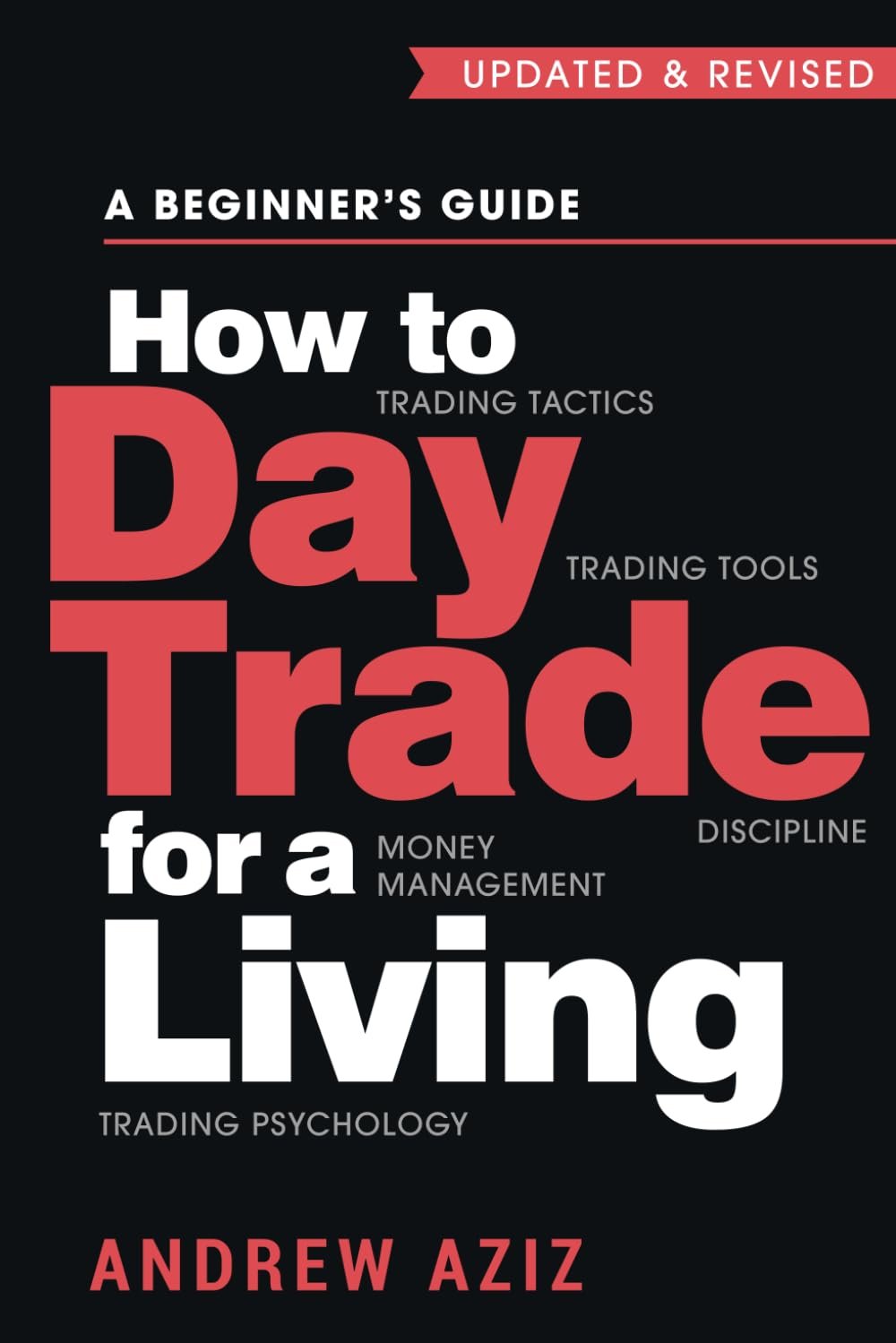
Ever wondered what it takes to trade stocks full-time without the casino-like thrills of gambling? Day trading isn't about quick wins or luck; it's a disciplined craft that rewards preparation and persistence. If you're eyeing the markets but feel overwhelmed by the jargon and choices, this book cuts through the noise to give you a real foundation.
Unlike long-term investing where you buy and hold, day trading means opening and closing positions within the same day to capitalize on short-term movements. The author breaks this down simply, explaining why this fast-paced style demands sharp focus and quick decisions. You'll learn what sets it apart, from the tools you'll need—like charting software and reliable brokers—to the mindset shift required to treat it as a profession, not a side hustle.
Diving deeper, the book outlines proven tactics used by everyday traders. Take the ABCD pattern: it's all about spotting harmonious price swings for potential reversals, with clear steps on identifying the stock, setting up your charts with indicators like moving averages, and knowing when to enter or bail with a stop loss. Or try bull flag momentum—perfect for riding upward trends after a brief consolidation; the guide walks you through scanning for volatile stocks in play and timing your trades around market opens.
Other highlights include top and bottom reversal plays, VWAP for gauging average pricing, and support/resistance levels to navigate choppy waters. Each section feels hands-on, like the author's sharing notes from their own trading desk, emphasizing how these aren't magic bullets but tools sharpened by repetition.
Trading psychology gets real attention here—it's not just charts; it's you showing up alert and motivated. The author shares their morning ritual: a run, shower, breakfast, then firing up the station before the NYSE bell. This routine isn't fancy, but it builds the mental edge to handle losses without crumbling or chase highs impulsively. Money management ties in too, stressing position sizing and risk rules to protect your capital over time.
Picture this: you're scanning pre-market lists, eyes on gappers with volume, ready to apply a reversal strategy on a stock breaking resistance. This book won't hand you riches overnight—profit comes from demo accounts, paper trading, and tweaking your approach based on what the market throws at you. But it arms you with the basics to avoid common pitfalls, like overtrading or ignoring psychology. For beginners, start from chapter one; intermediates, jump to the strategies in chapter seven. Whether you're dreaming of financial independence or just curious about active trading, this guide makes the path feel achievable—one trade at a time.
In a world of endless online advice, this paperback stands out for its no-nonsense vibe and focus on actionable steps. Grab it, read it cover to cover, and pair it with practice to see how day trading can fit into your life.