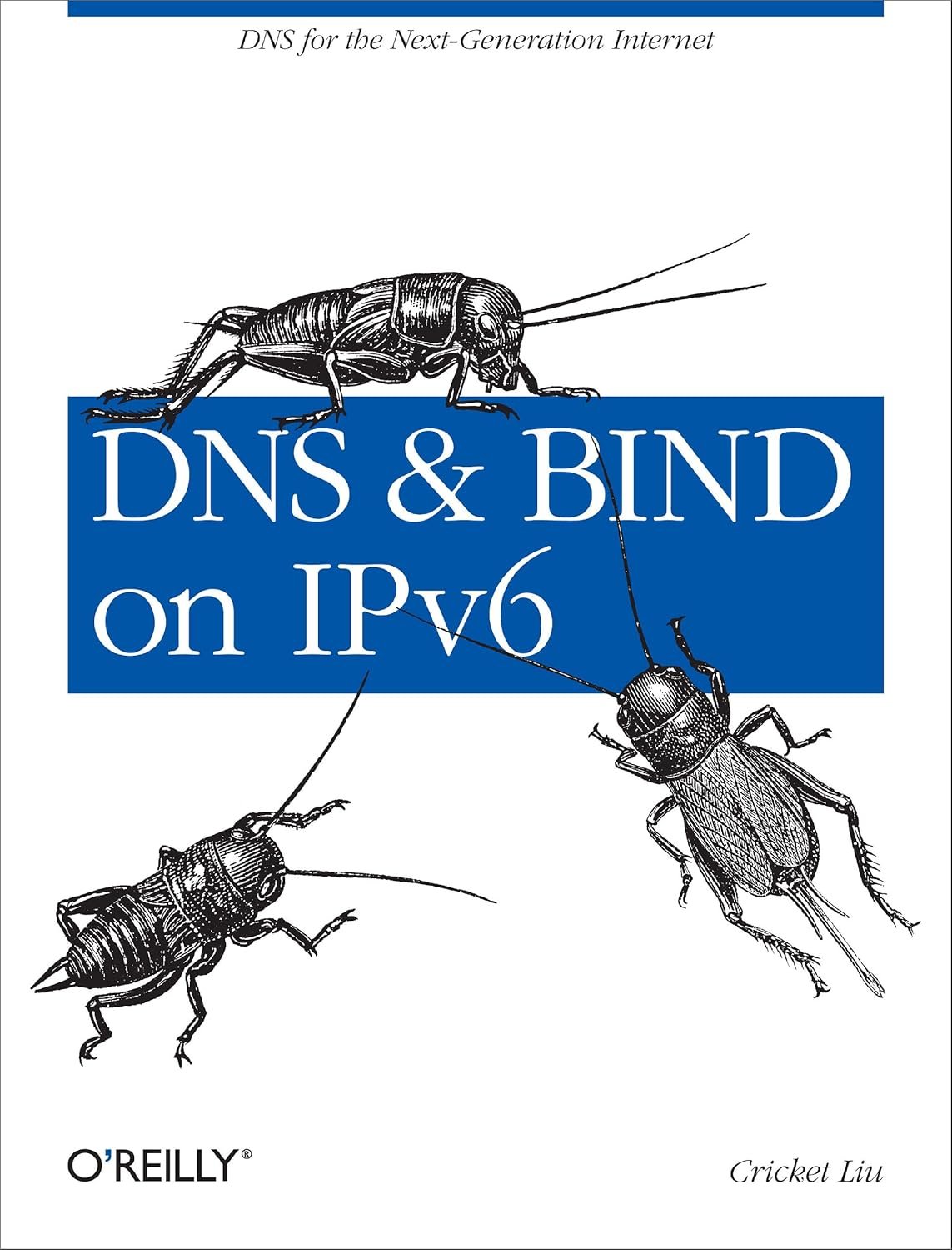
Ever stared at an IPv6 address and wondered how to make your DNS play nice with it? If your network's on the cusp of IPv6 migration, this book cuts through the complexity, handing you the exact tools to get BIND running smoothly.
IPv6 isn't some distant future—it's here, with longer addresses that demand updated DNS handling. Traditional IPv4 setups fall short, leaving you with mapping issues between old and new worlds. This 1st Edition Kindle book zeroes in on the essentials, explaining IPv6 address structures and how DNS evolved with AAAA records for forwards and PTR in ip6.arpa for reverses.
Jump straight into practical BIND configs. Learn to weave IPv6 addresses into ACLs, register name servers that speak IPv6, and delegate zones properly. It's not theory—it's copy-paste-ready syntax that works. Whether you're setting up a full IPv6 name server or bridging to IPv4 islands, the steps are clear and tested.
Your clients need to query IPv6 DNS too. The book walks through configuring stub resolvers on Linux/Unix, MacOS X, and Windows—simple edits that make dig and nslookup reveal those long IPv6 addys. No more head-scratching over why a hostname won't resolve.
Got IPv6-only stacks talking to IPv4 servers? DNS64 is your transition hero, and this guide breaks down how it synthesizes A records from AAAA queries. Real-world examples show it in action, smoothing the path for hybrid networks.
Things go sideways? Use the detailed nslookup and dig commands outlined here to diagnose IPv6 lookups or reverse maps. Spot common pitfalls in forward/reverse zones and fix them fast. It's the kind of know-how that saves hours during rollout.
At around 200 pages, it's dense but digestible—ideal for network engineers, sysadmins, or anyone prepping for IPv6 dominance. Grab the Kindle edition and start configuring today; your future self (and users) will thank you when the internet's next phase hits without a hitch.