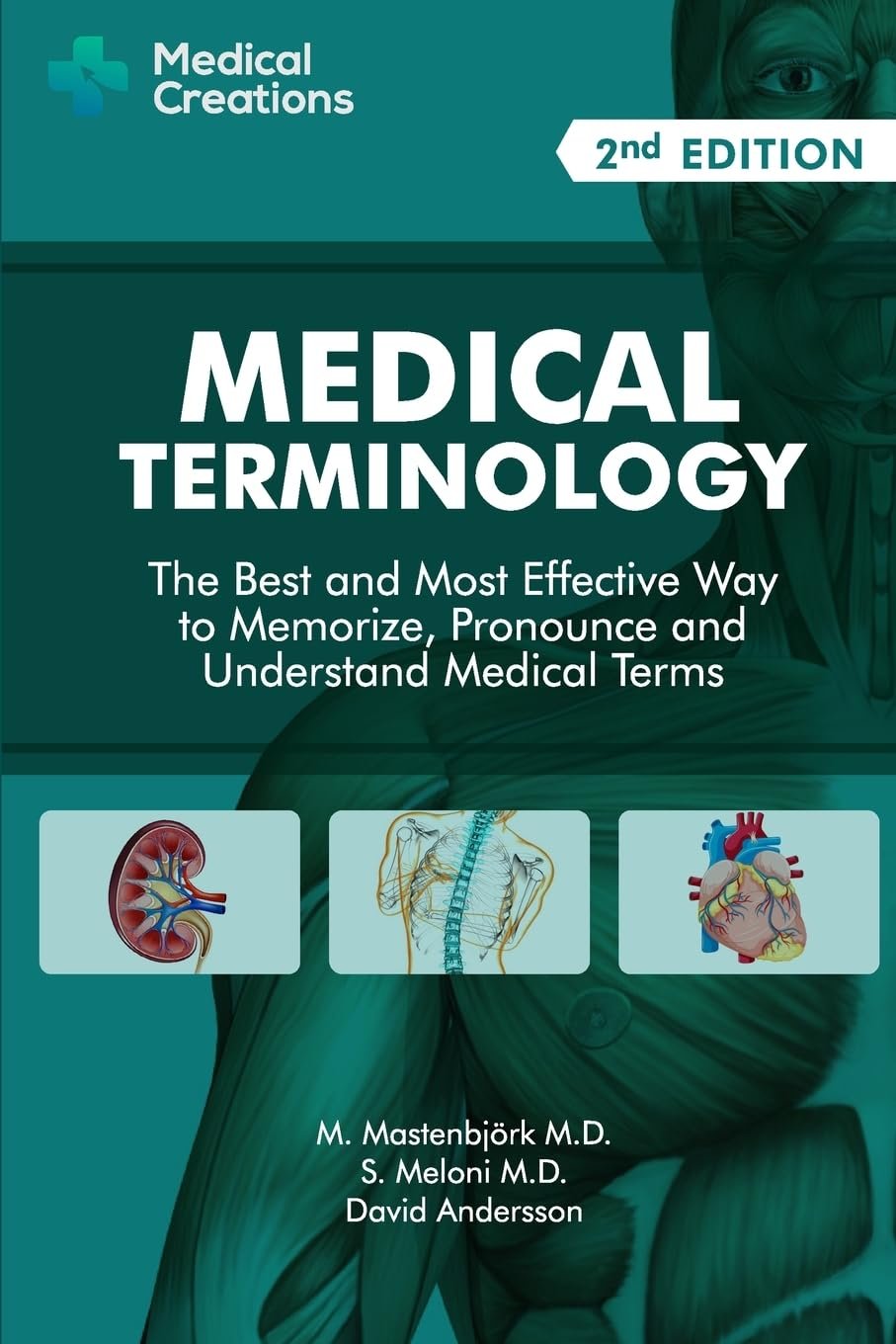
Remember that moment in class when a professor rattles off 'chondromalacia' and everyone blanks? I've been there—studying for nursing boards, feeling lost in a sea of unfamiliar terms. This second-edition guide changed everything for me and thousands of others. It's not some dry textbook; it's a straightforward roadmap to pronouncing, memorizing, and understanding medical terminology like it's everyday chat.
Whether you're an aspiring nurse, EMT, paramedic, or premed, medical language hits hard. Lectures blur, patient charts confuse, and exams loom like mountains. Without a solid grip on roots like 'cardi-' for heart or suffixes like '-itis' for inflammation, you're guessing. This book featured on 9-1-1 tackles that head-on, turning overwhelm into 'oh, I get it' moments.
Pair it with flashcards or a workbook, and retention skyrockets. I used it alongside my anatomy notes, and terms like 'leukocytopenia' became second nature.
Imagine confidently documenting patient care or chatting with docs during clinical rotations. Grads rave about crushing NCLEX, HESI, TEAS, even MCAT sections. It's gold for phlebotomists, scribes, vet techs, or anyone in healthcare admin. Sensory details? Flip pages to handy visuals that make abstract concepts visual and tactile.
Nursing students gift it to classmates; parents grab it for kids eyeing med school. Even working pros refresh their skills. At around 300 pages of practical gold, it's the tool that bridges classroom to career. Don't cram last-minute—start building your medical vocabulary foundation today. Your future self (and patients) will thank you.