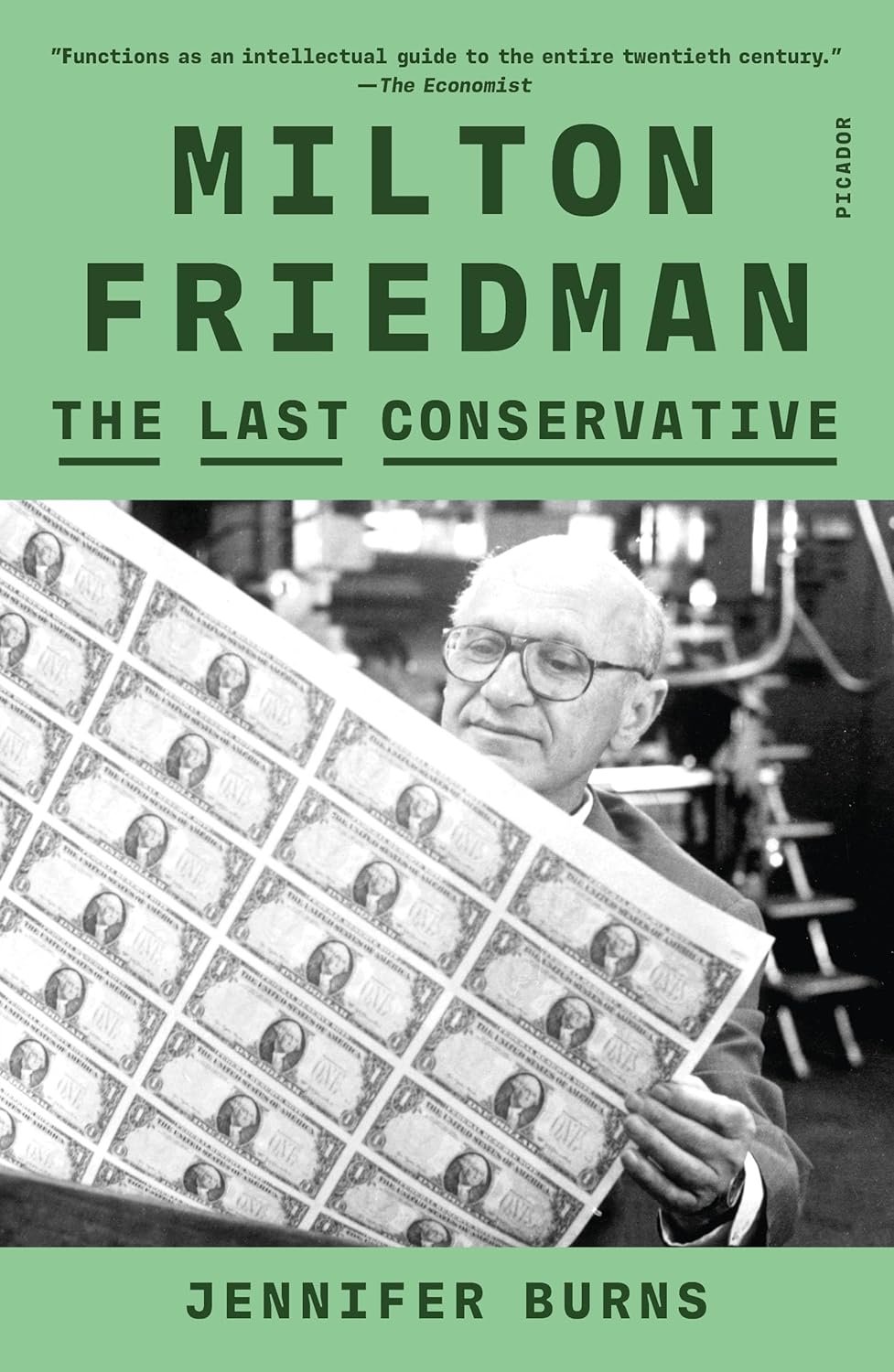
Picture this: it's the late 20th century, and the world is shifting from government-heavy economies to something freer, more dynamic. At the center stands Milton Friedman, the sharp-minded economist whose ideas fueled that change. I've always been fascinated by how one person's thinking can ripple through history, and Jennifer Burns' biography brings Friedman's world alive in a way that's both accessible and eye-opening.
Friedman wasn't just theorizing in ivory towers. He tackled real puzzles, like why dentists earn less than doctors or how money supply really drives inflation. Burns draws from newly available archives to show his partnerships—notably with Anna Schwartz on groundbreaking monetary history—and his tense dealings with Fed chairs and Treasury secretaries. It's not a hagiography; she highlights controversies too, from rising inequality critiques to his unapologetic capitalism defenses.
Think about the "Age of Friedman": deregulation, tax cuts, and a pushback against endless stimulus. This book explains how his work resonated worldwide, earning accolades from NPR to the New York Times. You'll get lucid breakdowns of concepts like the limits of government planning, making complex economics feel straightforward. It's like having a front-row seat to the intellectual battles that defined conservatism.
In our era of debates over inflation, markets, and policy overreach, Friedman's story feels timely. Reading it, I found myself rethinking assumptions about prosperity and freedom. Use it for book clubs dissecting economic thought, personal dives into neoliberalism's origins, or gifting to friends pondering politics. Burns crafts a narrative that's engaging, balanced, and rich with context—showing Friedman as America's first neoliberal and perhaps its last great conservative.
Grab the Kindle edition for instant access to footnotes, highlights, and that satisfying page-turn feel on your device. Around 400 pages of insight await, finalist for the 2024 Hayek Book Prize and an Economist best book of 2023.