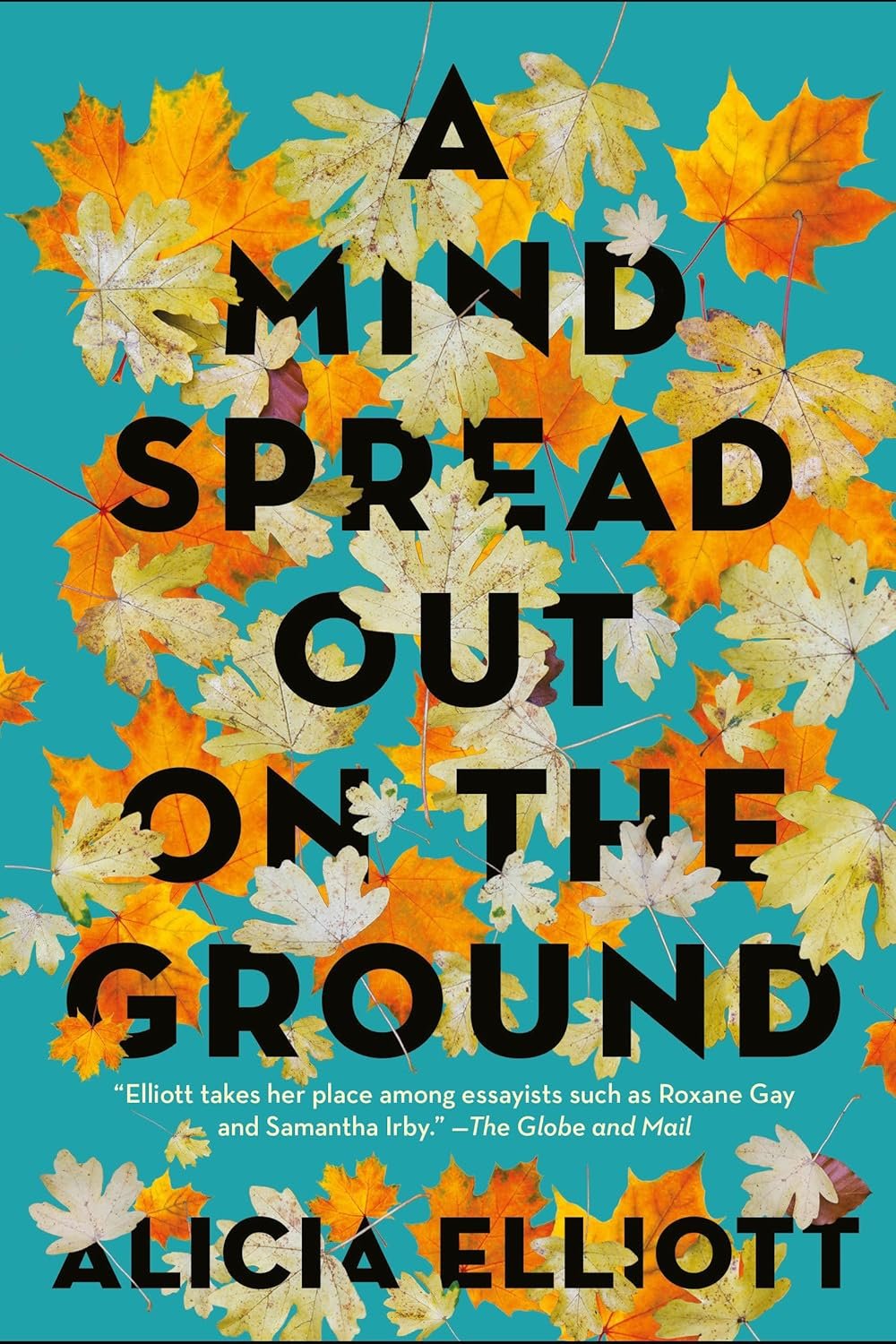
Imagine your thoughts scattered across the earth, fragmented by forces you can't always name. That's the raw power of the Mohawk phrase for depression that Alicia Elliott uses as her anchor in this deeply personal memoir. As a Mohawk woman navigating the chasm between Indigenous and settler worlds, Elliott lays bare the mental health crises rippling through her family and community—crises rooted in personal pain, generational wounds, and centuries of colonial violence.
Elliott doesn't hold back. She recounts her own experiences with love, parenthood, sexual assault, and poverty, all while dissecting how these intersect with broader forces like gentrification and cultural erasure. Her writing bridges the intimate and the expansive: a child's confusion over racial identity mirrors the systemic racism embedded in North American society. You'll feel the weight of her story—the sleepless nights questioning belonging, the sting of representation gaps in art and media.
What sets this apart from typical mental health reads? It's unflinchingly specific to Indigenous realities, yet universally resonant. Elliott connects dots you might not have seen: how intergenerational trauma manifests in everyday anxiety, or why decolonizing your mind starts with acknowledging these stories. Sensory details pull you in—the chill of urban alienation, the warmth of reclaimed cultural threads—making abstract concepts painfully real.
Picture curling up on a quiet evening, pages turning as Elliott's voice challenges your assumptions. It's ideal for book clubs tackling social justice, or anyone seeking deeper insight into why mental health looks different across cultures. Readers rave about its thrilling revelations—those 'aha' moments linking personal anecdotes to political truths. At around 300 pages, it's accessible yet profound, perfect for repeated reads.
Originally a Canadian bestseller, this expanded U.S. edition equips you to better grasp legacy traumas shaping our continent. If you're drawn to memoirs that provoke thought and foster healing—like Tar Baby or Bad Indians—this one's essential. Dive in, and let it reshape how you see the ground beneath your feet.