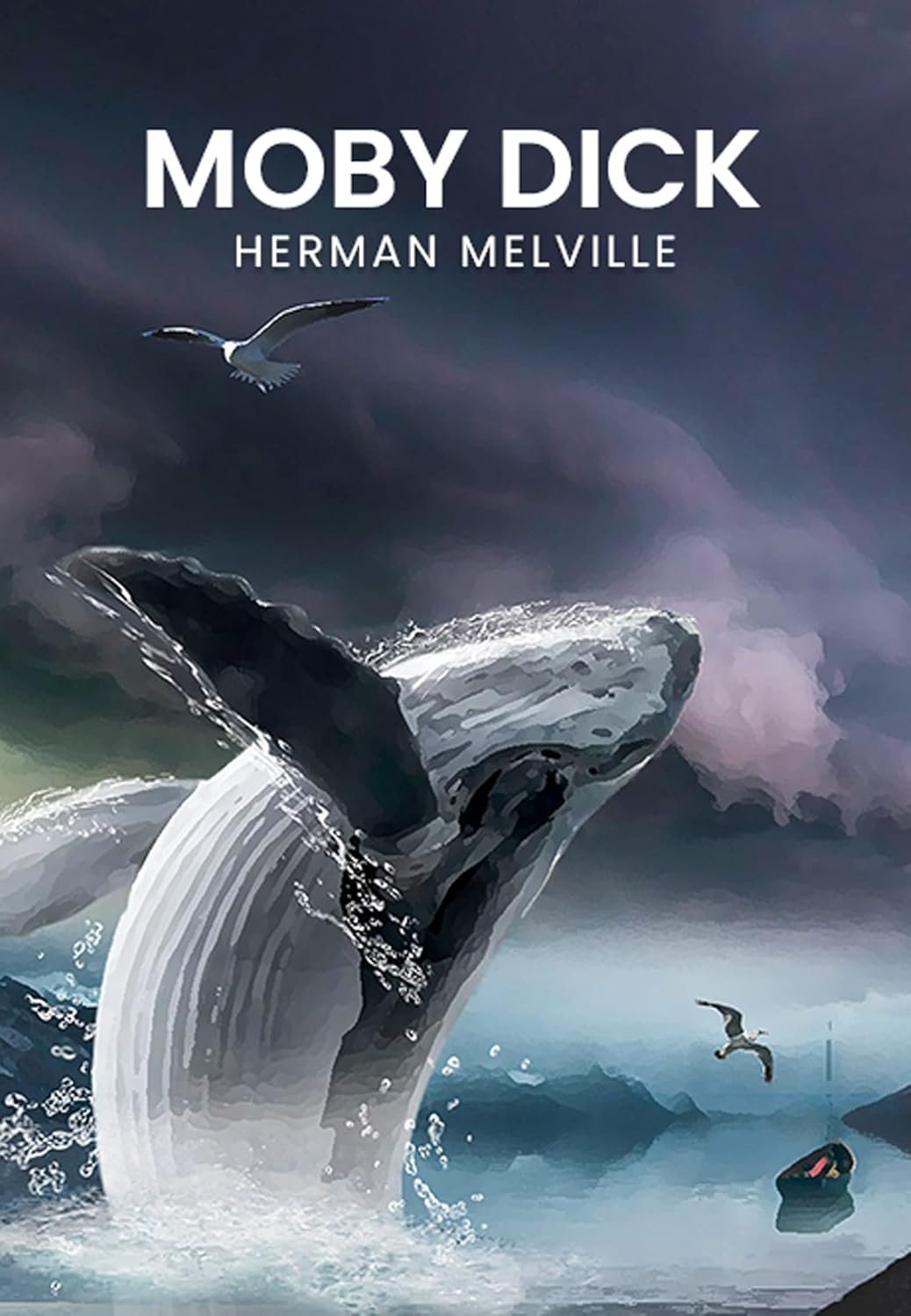
Moby-Dick; or, The Whale, published in 1851 by Herman Melville, is nothing short of an American literary treasure. This gripping tale captures the relentless pursuit of Captain Ahab, who is in a turbulent quest for revenge against the infamous white whale, Moby Dick. As narrated by the sailor Ishmael, the story takes readers on a tumultuous voyage aboard the whaling ship Pequod, revealing the depths of obsession that define Ahab’s character.
The novel begins with the iconic line, "Call me Ishmael," setting the tone for a story entrenched in philosophical exploration and adventure. Ahab's quest for vengeance is fueled by a traumatic encounter in which Moby Dick, the giant sperm whale, bit off Ahab's leg, embodying a force of nature that neither Captain nor crew can fully comprehend or control.
Melville draws extensively from his own experiences as a whaler, providing detailed descriptions of whaling practices and life aboard the ship. His narrative intertwines history with compelling literary devices, ranging from prose to poetry, giving rise to a unique storytelling experience. The comprehensive exploration of themes such as class, social status, good versus evil, and the existence of God reflects the complexities of human nature in the face of the vast and unforgiving sea.
Despite its initial mixed reviews, Moby-Dick has earned its place among the 'Great American Novels', garnering acclaim from literary giants such as William Faulkner and D. H. Lawrence. Its literary influence is profound, resonating through generations of writers and readers alike. The book’s vibrant characters, reflective of a culturally diverse crew, and Melville’s philosophical questioning, leave a lasting impression on those who dive into its depths.
Dedicated to Nathaniel Hawthorne, Moby-Dick serves as an homage to the complexity of human experience and ambition. With rich symbolism and a masterful narrative, this novel invites readers to ponder what lies beneath the surface of obsession and the struggle against fate.