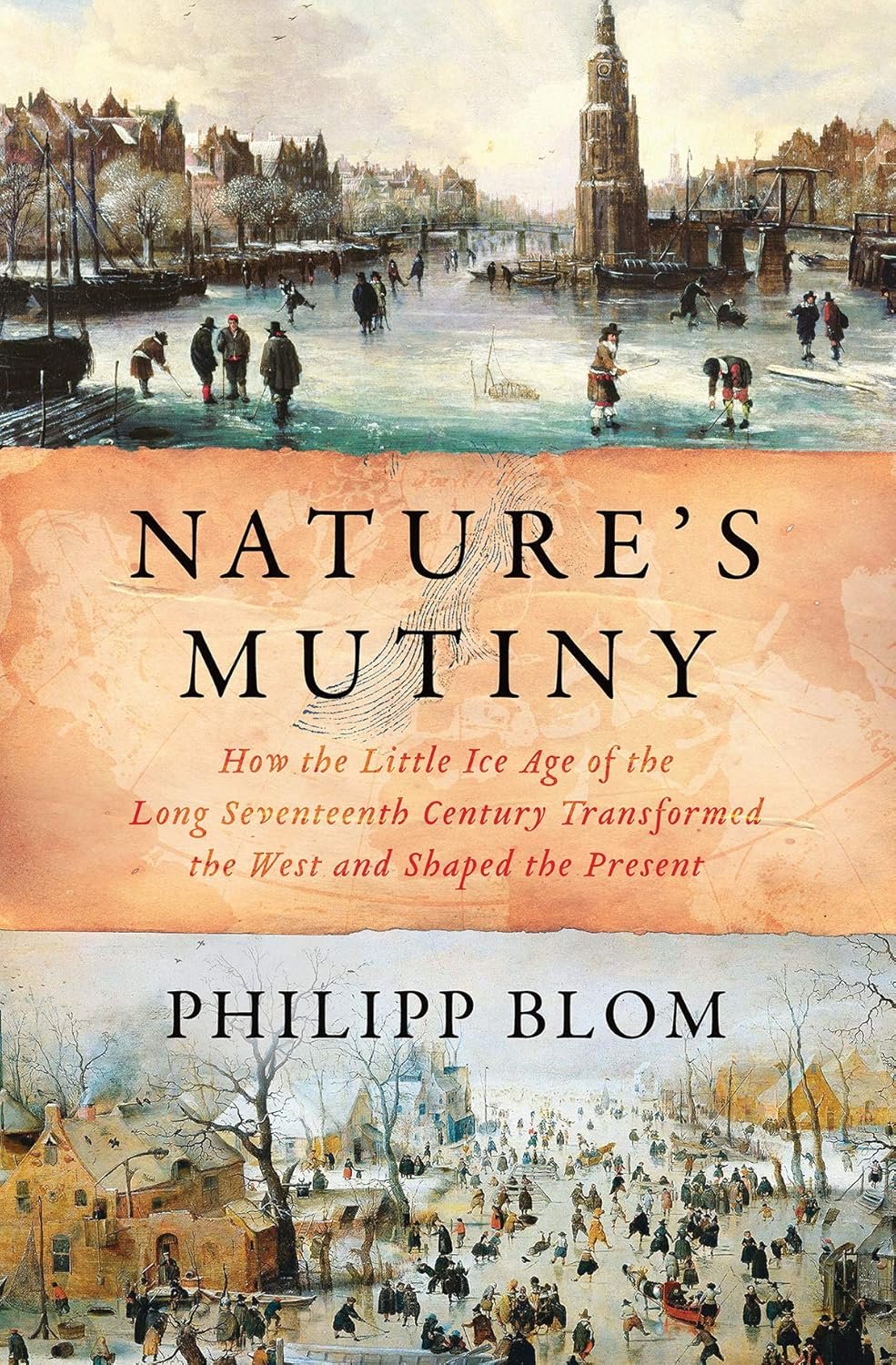
In "Nature's Mutiny," historian Philipp Blom offers a remarkable examination of the Little Ice Age, a climate crisis that fundamentally altered the course of Europe in the seventeenth century. This era, marked by significant drops in temperatures and diminished agricultural yields, forced millions from the countryside into vibrant yet struggling urban centers in search of sustenance. Blom's narrative is beautifully clear, providing readers with a sweeping overview of the intersection of climatic, economic, and social changes that defined this period.
As the Thames froze over, London was transformed into a spectacle of frosted fairgrounds, complete with thriving kiosks, taverns, and even brothels, offering an intriguing view into the resilience and adaptability of human civilization during times of crisis. Blom intricately links the arduous struggles of survival during this time with broad shifts in art, philosophy, and politics, highlighting how leading thinkers and artists of the era forged new worldviews in response to their environmental realities.
This meticulous account serves not only as a historical narrative but also as a pertinent reflection on today's climate challenges. Blom's work prompts readers to consider the delicate balance between civilization and climate, underscoring the powerful lessons that emerge from the past. As contemporary societies grapple with their own climate crises, understanding the past becomes crucial; Blom's book provides a captivating lens through which we can comprehend the implications of climate change on both a societal and individual level.
Ultimately, "Nature's Mutiny" reminds us that the changes in the earth's climate can have profound effects on the course of human history. The lessons drawn from the seventeenth-century experience resonate powerfully today, emphasizing that just a few degrees of change can indeed alter civilization forever.