Ever feel like you know the basics of painting—how to mix colors, apply brushstrokes, work with different mediums—but your finished pieces still don't say what you want them to say? That disconnect between technical skill and meaningful expression is exactly what this book addresses.
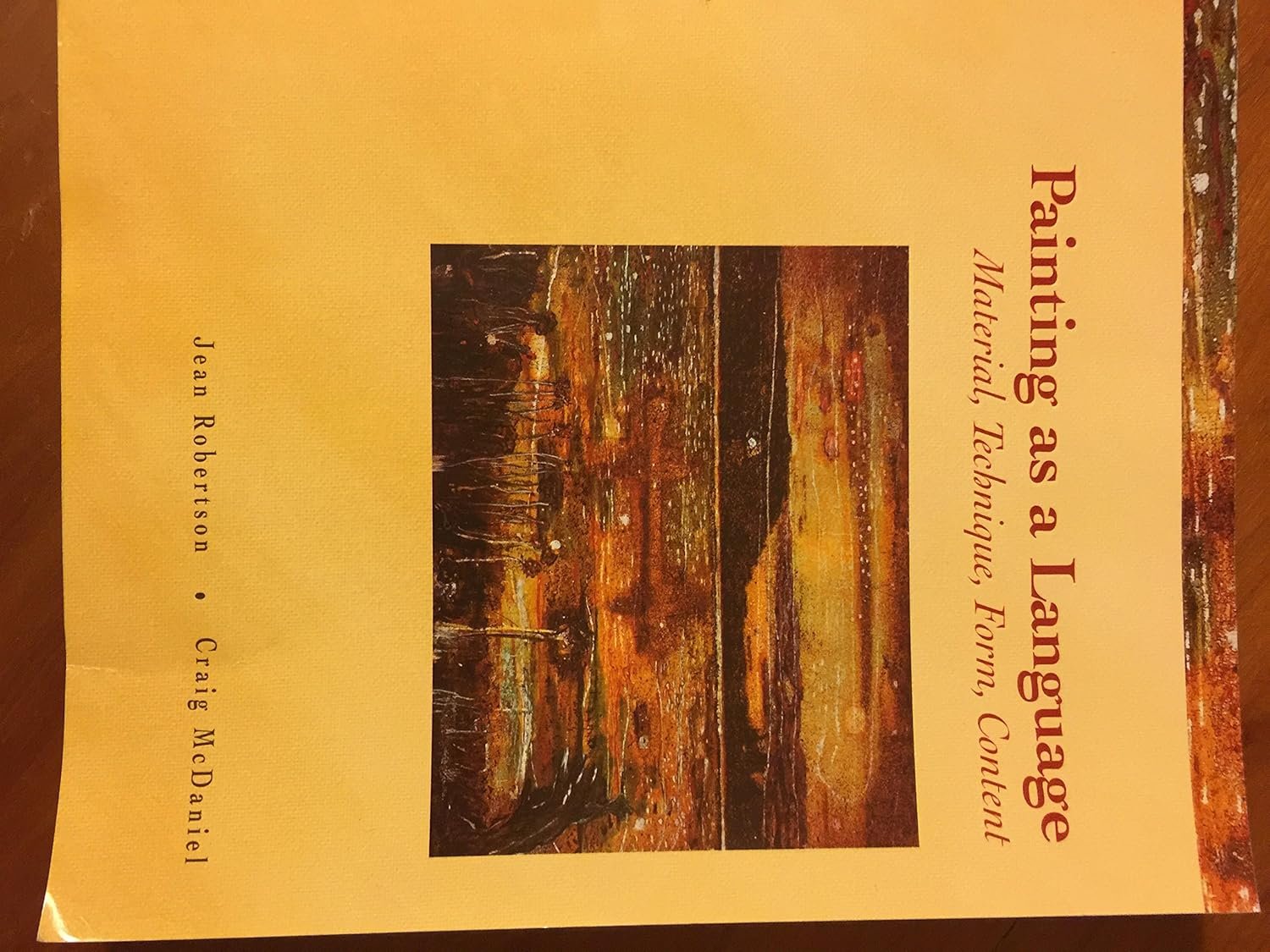
Painting as a Language takes a refreshingly different approach to art instruction. Instead of simply teaching you which brush to use or how to render a realistic shadow, it helps you understand painting as a form of communication. The authors recognize that developing as an artist isn't just about training your hand—it's about training your eye, your mind, and your ability to translate ideas into visual form.
This isn't your typical step-by-step tutorial book. The authors weave together several teaching methods that work in tandem:
Beginning painters will find a solid foundation that goes beyond surface-level instruction, learning to think like artists from day one. Intermediate painters—those who can execute techniques but feel their work lacks depth or personal style—will discover tools to break through plateaus and develop their unique visual language.
Art instructors will also find this approach valuable for structuring courses that develop well-rounded students who understand both the how and the why of painting.
Think of this as the mentor who's always available when you're stuck at your easel, wondering why a painting isn't working or what to paint next. The combination of practical exercises and reflective journaling creates a feedback loop that accelerates your development in ways that purely technical instruction can't match.
If you're ready to move beyond copying references and start creating paintings that communicate something genuine, this book provides the roadmap. It's about transforming your practice from going through the motions into a genuine exploration of visual language.