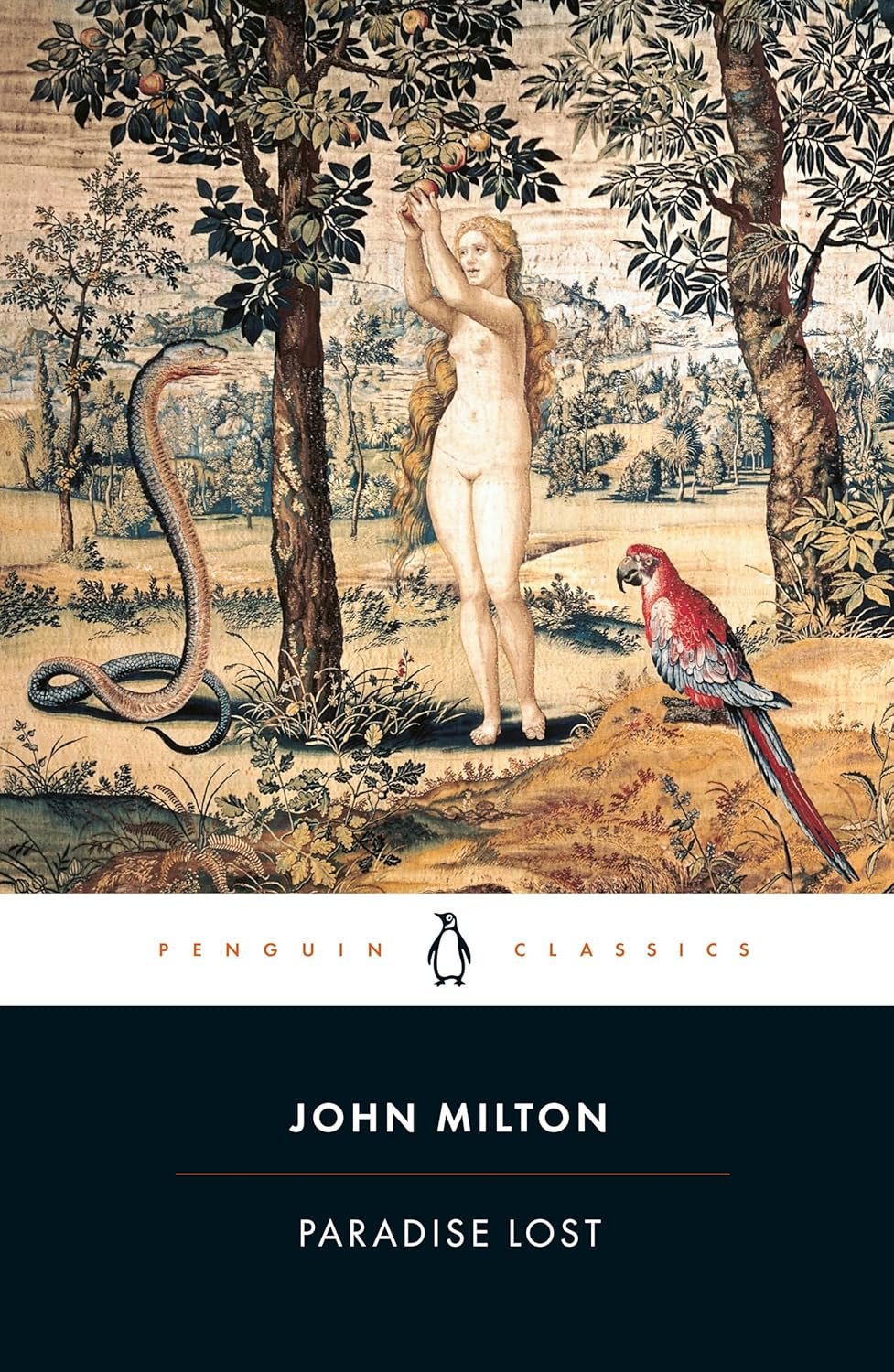
Paradise Lost is an epic poem by John Milton that vividly explores the cosmological, moral, and spiritual origins of man. Written in the 17th century, it captures a grand cosmic narrative, combining divine and human experiences into a cohesive story. As Milton weaves his narrative, he invites readers to ponder profound questions about existence, authority, and the nature of good and evil.
The poem centers on the biblical story of the Fall of Man, presenting a charismatic portrayal of Satan, the tragic figures of Adam and Eve, and the complexities of their decisions. This narrative invites an exploration of the profound beliefs regarding free will, temptation, and redemption. Milton’s work does not merely recount theological events but engages readers with a rich tapestry of emotions and moral dilemmas.
Written when Milton was in his later years—blind and disillusioned by the political upheavals of his time—Paradise Lost reflects the tumult of its author’s personal experiences. His ambivalence towards authority and religion provokes significant discussion, questioning whether the poem ultimately justifies divine actions or critiques them. This enduring debate enriches the reading experience, inviting continuous reflection and analysis.
For over seventy years, the Penguin Classics series has made this profound work accessible to readers around the globe. With excellently curated introductions, notes, and translations, Penguin Classics ensures that every reader can appreciate the intricacies of Milton's masterpiece. A journey through Paradise Lost offers insights not only into literature but also into the complexities of faith, human nature, and the timeless quest for understanding.