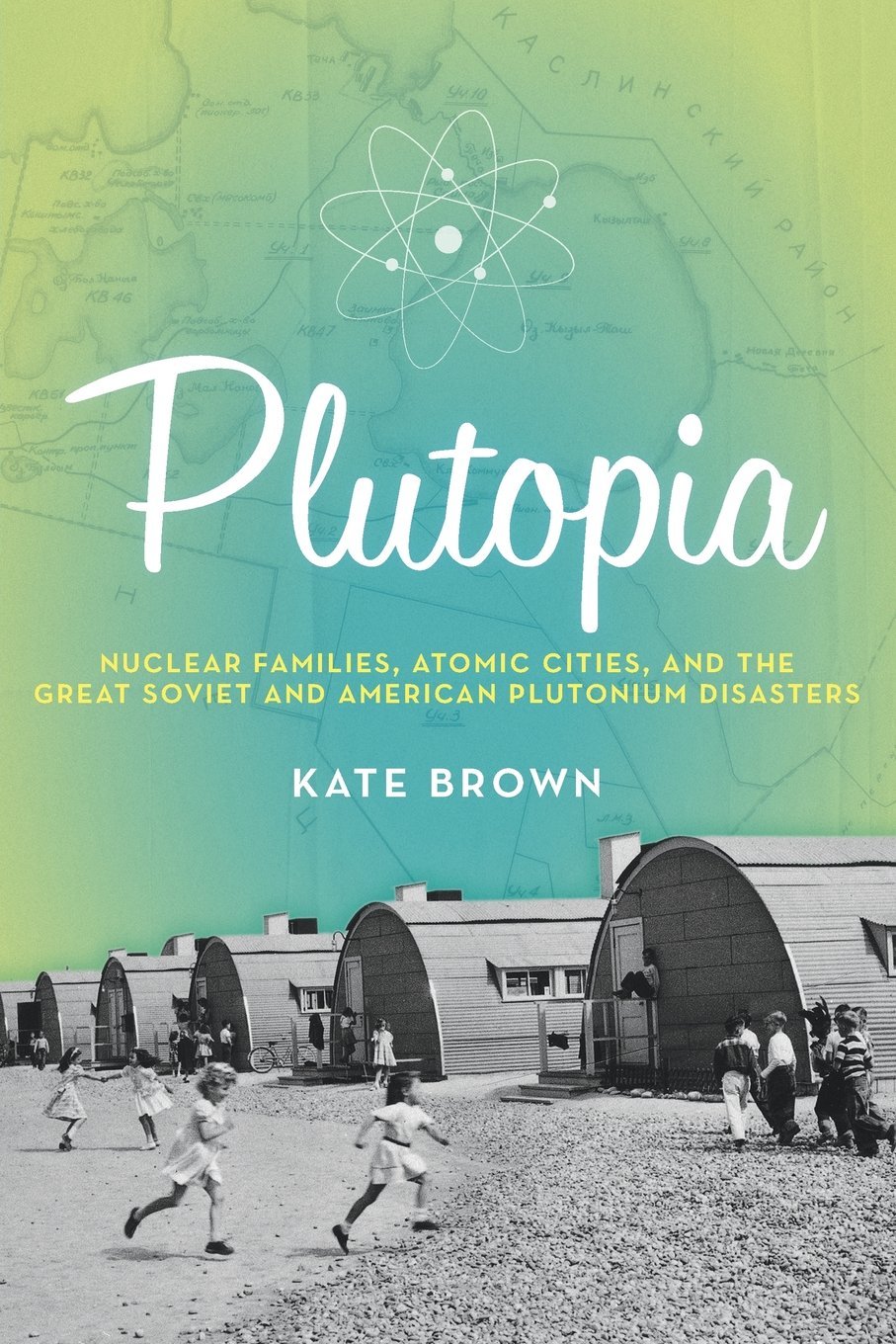
Imagine living in a picture-perfect town where jobs are plentiful, homes are modern, and the future seems bright—except it's all built on the production of plutonium for nuclear weapons. That's the reality Kate Brown uncovers in Plutopia: Nuclear Families, Atomic Cities, and the Great Soviet and American Plutonium Disasters. Through declassified documents and personal interviews, she paints a vivid picture of Richland, Washington, and Ozersk, Russia, two isolated communities designed to fuel the Cold War arms race.
These 'plutopias' were engineered paradises for a select few: nuclear families enjoying subsidized luxuries while outsiders—migrants, prisoners, and soldiers—handled the hazardous tasks in makeshift camps. The segregation created an illusion of control, glossing over leaks, embezzlement, and pollution. Over four decades, the Hanford and Maiak plants spewed at least 200 million curies of radiation each into the environment, contaminating vast landscapes, rivers like the Columbia and Techa, and everyday food sources. It's a scale of disaster that dwarfs Chernobyl, yet it stayed hidden for years due to ironclad secrecy.
For downwind residents, the consequences were heartbreaking: clusters of cancers, birth defects, and unexplained illnesses that communities struggled to link to the plants. Brown's narrative humanizes the statistics, sharing stories of families who suspected the truth but faced bureaucratic walls. She explores how this zoned isolation allowed both American capitalism and Soviet communism to tout success, while the real cost—irreversible environmental damage and health crises—piled up unnoticed.
Reading Plutopia feels like peeling back layers of history you thought you knew. It's essential for anyone interested in nuclear history, environmental justice, or the hidden prices of superpower rivalries. Whether you're pondering the arms race's legacy or just love a well-researched thriller disguised as nonfiction, this reprint edition delivers insights that resonate with current debates on nuclear waste and safety. At around 400 pages, it's a compelling read that leaves you questioning the foundations of modern society, urging a closer look at the radioactive footprints we still tread upon.