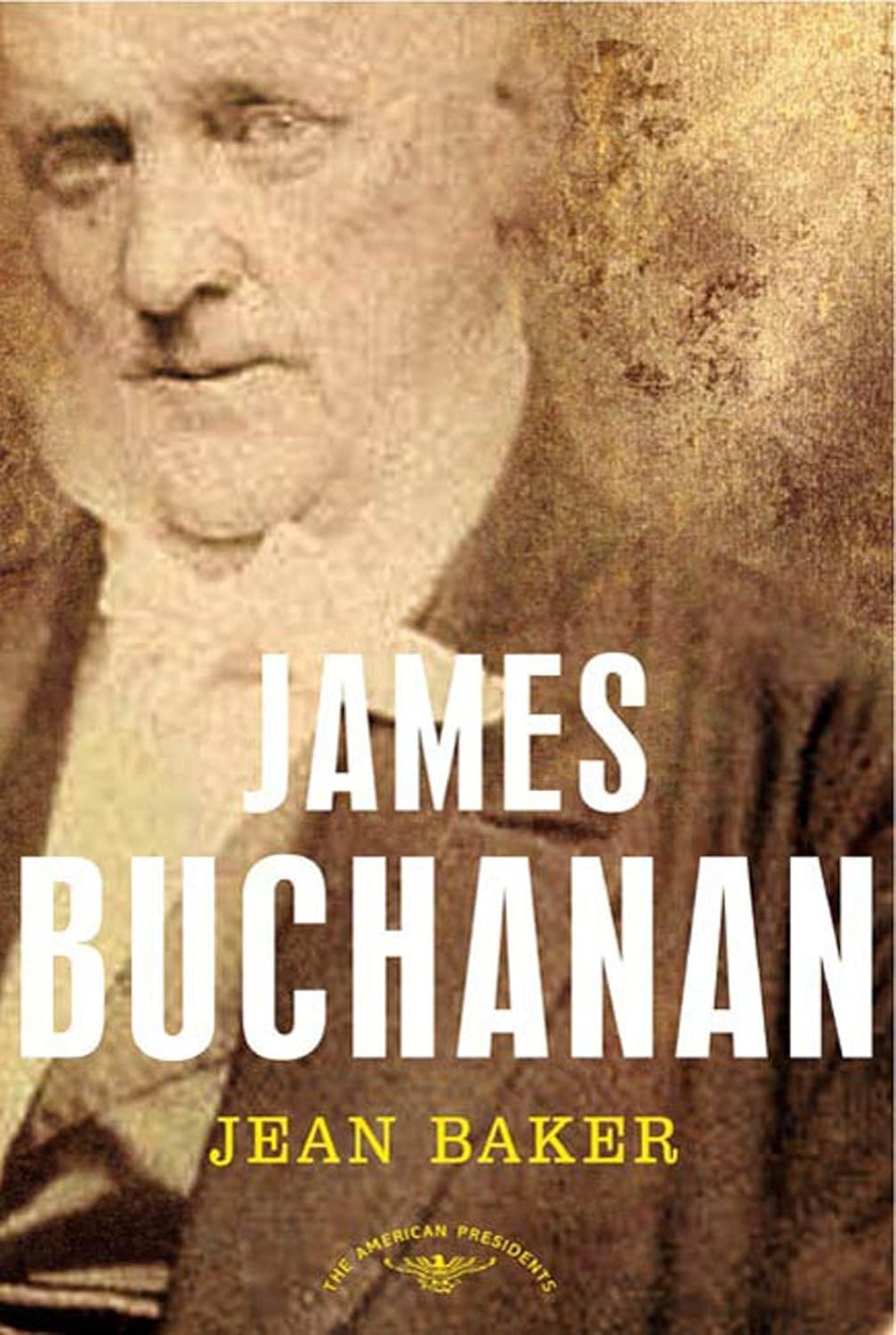
James Buchanan stands as one of history's most tragic figures—a man better prepared for the presidency than almost anyone before him, yet who left office in disgrace as the nation careened toward Civil War. This compelling biography from the esteemed American Presidents series offers a fresh examination of a presidency that continues to haunt our understanding of presidential leadership.
Buchanan's career reads like a presidential resume: Pennsylvania state legislator, U.S. House member, U.S. Senator, Secretary of State, and even a Supreme Court nomination offer. Yet when faced with the ultimate test of leadership, he proved spectacularly inadequate. As historian Jean H. masterfully demonstrates, Buchanan's failure wasn't due to lack of experience or qualifications, but rather to his stubborn refusal to compromise on the critical issue of slavery.
The book meticulously traces how Buchanan's presidency unfolded against the backdrop of mounting sectional tensions. His inability to navigate the complex political landscape of the 1850s directly contributed to his party's fracturing and the election of Abraham Lincoln, setting the stage for secession. Baker argues that while we've justly placed Buchanan at the bottom of presidential rankings, his story offers valuable lessons about leadership during national crises.
What makes Buchanan's story particularly relevant is its exploration of how seemingly small leadership decisions can have catastrophic consequences. This biography doesn't simply condemn the 15th president; it helps us understand the pressures and limitations he faced while holding him accountable for his failures. Whether you're a student of history, a leadership scholar, or simply someone interested in how presidents shape—or misshape—the nation's destiny, this volume offers indispensable insights.
Baker's elegant prose and balanced perspective make complex historical events accessible without oversimplification. In an era of intense political polarization, Buchanan's cautionary tale serves as both history lesson and contemporary warning about the costs of rigid leadership when compromise is desperately needed.