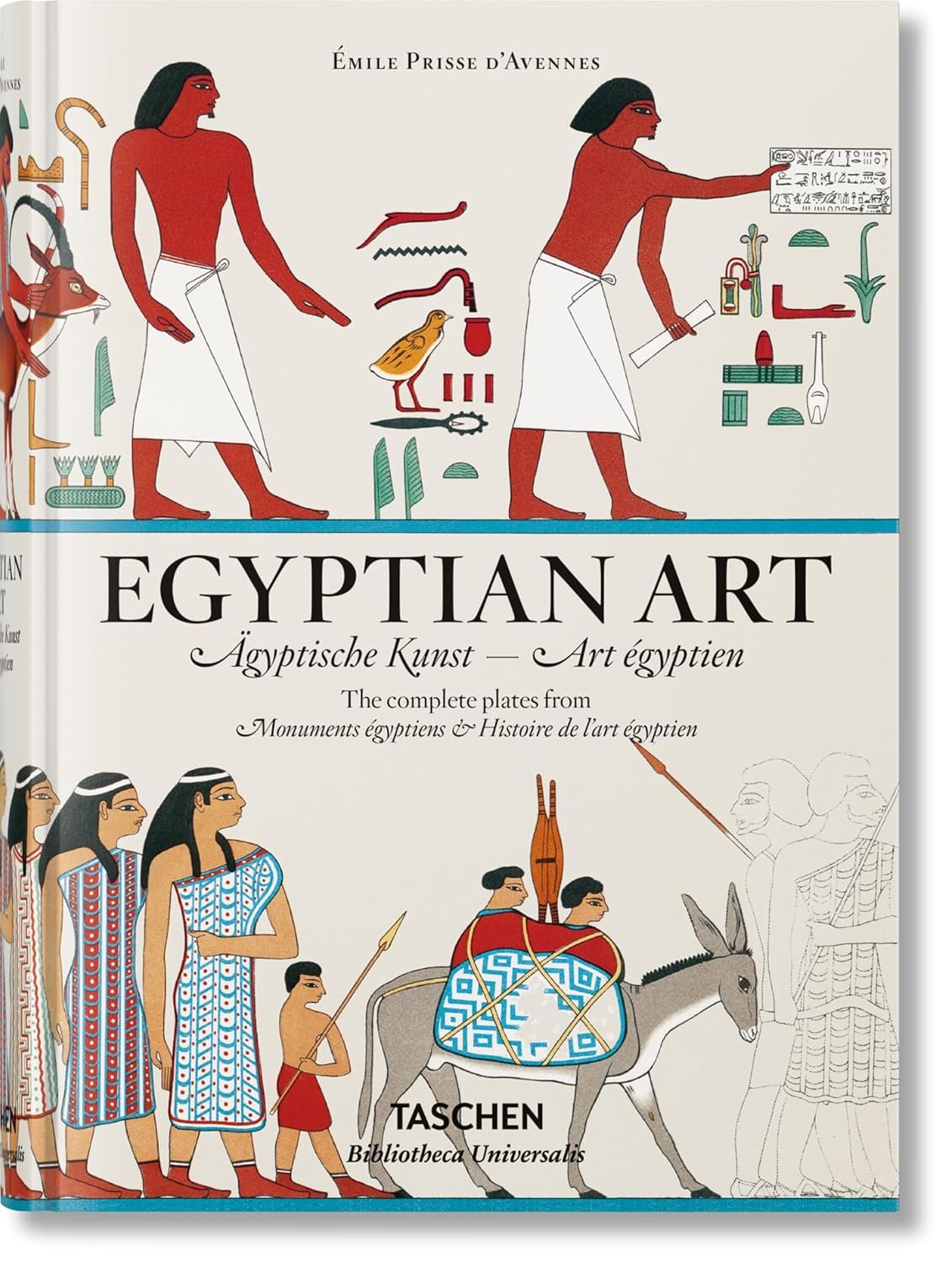
Imagine flipping through pages that transport you back to the Nile Valley, where towering temples and intricate hieroglyphs come alive through an artist's eye. That's the magic of Achille Prisse d’Avennes' work— a French explorer and scholar who dedicated his life to documenting Egypt's artistic treasures in the mid-1800s. Before Egyptology was even a formal field, Prisse was out there, sketching under the guise of Edris Effendi, creating what remains the most comprehensive single-handed record of Egyptian art.
Back then, many of Egypt's monuments were at risk from time, tourism, and neglect. How do you capture the symmetry of a pharaoh's palace or the finesse of a painted tomb wall for future generations? Prisse tackled this by producing detailed drawings, plans, and even frottage impressions—basically rubbing paper over surfaces to lift textures—ensuring that the opulence and complexity of Egyptian design wouldn't fade away.
This Bibliotheca Universalis edition brings together Prisse's full collection from Les Monuments égyptiens and L’Histoire de l’art égyptien into one multilingual hardcover. You'll find sections on everything from grand architecture and sculptures to minor arts like jewelry and textiles, all illustrated with sensitivity and precision. It's not just plates; there are floor plans, elevation views, and close-ups of decorative elements that reveal how Egyptians blended form and function in their creations.
What stands out is the sheer scale—over 200 illustrations that rival those from massive state expeditions, but accomplished by one dedicated individual. The book covers drawing, painting, and industrial arts too, giving you a well-rounded view of how art permeated every aspect of ancient Egyptian life.
Holding this book feels like having a personal guide to Egypt's golden age. The benefits go beyond aesthetics; it helps you understand cultural influences that still echo in modern design and archaeology. Students can reference accurate historical depictions, while casual readers appreciate the sensory details—like the play of light on carved reliefs or the vibrant colors in temple frescoes.
Keep it on your coffee table for inspired evenings, or pull it out during a documentary to compare real artifacts. It's ideal for travel planning a trip to the pyramids, offering context that makes sites more meaningful. Even in a quiet moment, tracing the lines of a sphinx drawing can spark curiosity about forgotten rituals and royal legacies.
In a world of digital images, this tangible edition preserves the tactile joy of art books, making ancient Egyptian splendor accessible and enduring on your shelf.