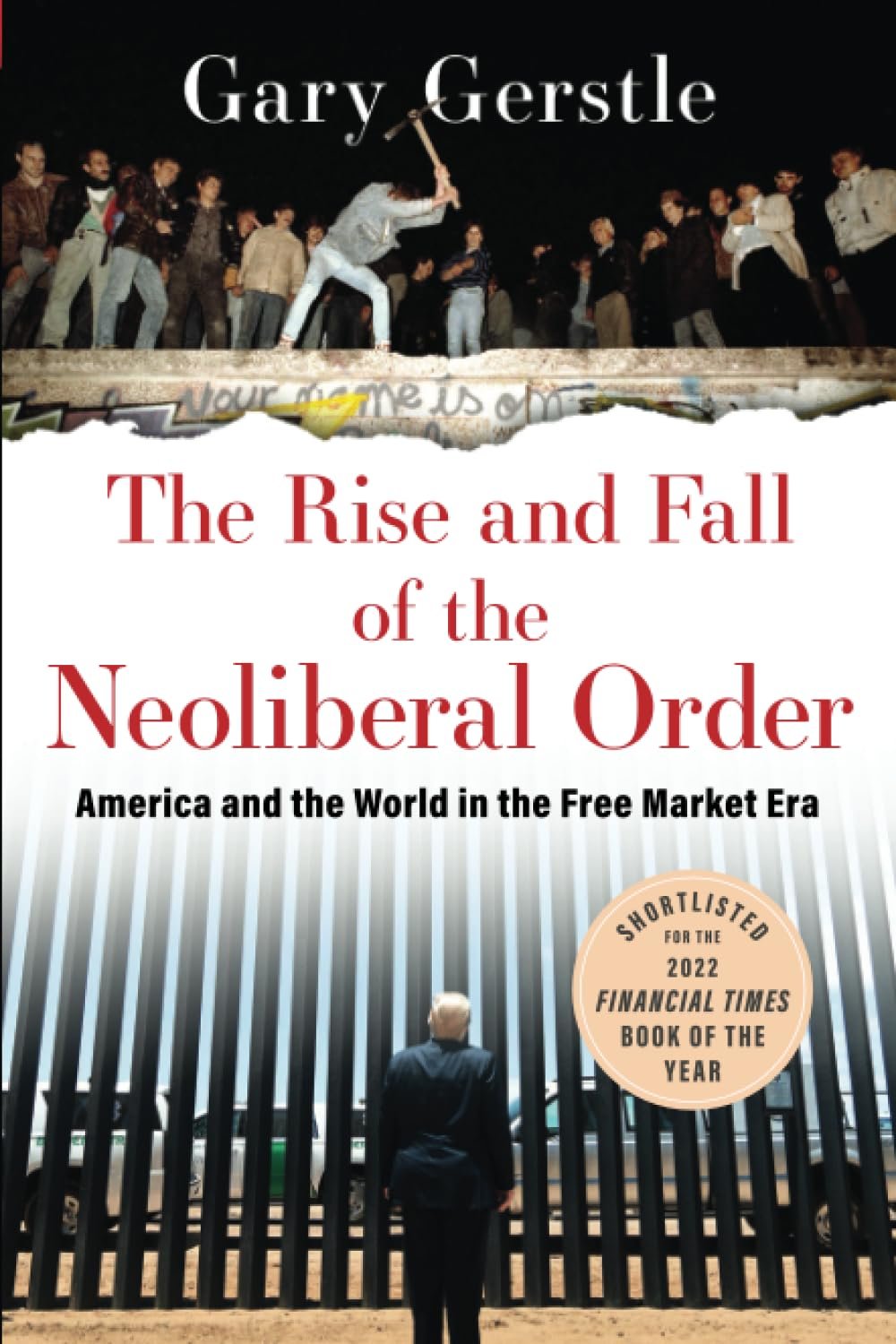
Picture this: the late 1970s, when ideas like slashing government red tape and unleashing market forces started reshaping not just the U.S., but the entire globe. That's the starting point of Gary Gerstle's The Rise and Fall of the Neoliberal Order, a book that pulls back the curtain on an ideology that's been both praised and demonized.
Neoliberalism wasn't just some abstract theory—it blended deregulation with visions of individual liberty, open borders with cosmopolitan vibes, and globalization with the lure of shared prosperity. Gerstle shows how it took hold on both sides of the aisle, captivating leaders from Reagan to Clinton. The Soviet Union's dramatic collapse supercharged its spread, making free markets seem like the only game in town.
But nothing lasts forever. Gerstle charts the unraveling: Bush-era missteps in Iraq, the 2008 financial meltdown that exposed inequality's sharp edges, and the populist surges of Trump on the right and Bernie Sanders on the left. These forces exposed neoliberalism's blind spots—skyrocketing wealth gaps, privatizations gone wrong in developing countries, and a sense that markets didn't deliver for everyone.
What makes this book stand out? It's not a hit piece or blind defense. Instead, Gerstle digs into why neoliberalism persuaded so many for so long, offering a balanced view that reckons with its real achievements alongside the fallout. You'll walk away with a clearer grasp of today's headlines—why populism thrives, how progressivism is evolving, and what scraps of that old order linger in policy debates.
Whether you're a policy wonk, history buff, or just trying to make sense of election cycles, this sweeping 50-year saga answers nagging questions: How did we get here? What's next? Gerstle uses vivid storytelling, pulling from U.S. and global events to make complex economics feel immediate and human. It's the kind of read that sparks dinner-table debates or late-night reflections on power and prosperity.
At around 400 pages of dense yet accessible prose, it's perfect for curling up with coffee or referencing during news binges. Dive in, and you'll see the neoliberal era not as a villain or hero, but as a pivotal chapter we're still writing.