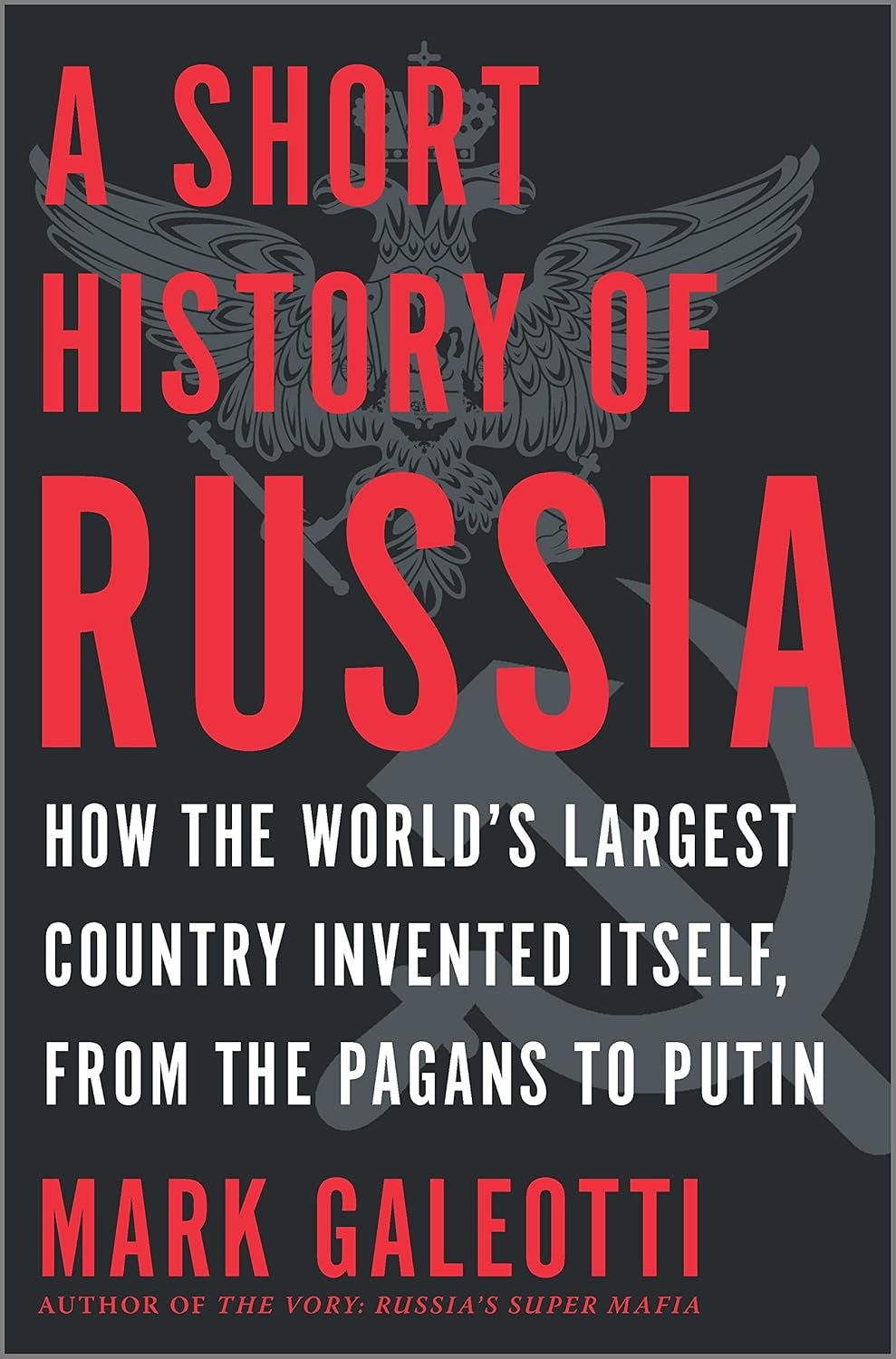
Picture a vast land with no natural borders, stitched together by legends and leaders who shaped one of the world's most enigmatic nations. Russia's history isn't just dates and battles—it's a saga of myths created to forge identity amid invasions, empires, and upheavals. Mark Galeotti's A Short History of Russia distills this complexity into a brisk, readable narrative that feels like chatting with a savvy friend over coffee.
Without a single ethnic core or clear frontiers, Russians have rewritten their past to rally people and project power. Think Ivan the Terrible's brutal consolidations, Catherine the Great's enlightened expansions, the Romanovs' opulent downfall, Bolshevik revolutions, Stalin's iron fist, Cold War standoffs, Chernobyl's haunting legacy, and now Vladimir Putin's calculated resurgence. These aren't dry facts; they're turning points that echo in today's geopolitics—from Ukraine tensions to energy plays.
Galeotti weaves external pressures—like Viking traders, Tatar khans, Napoleon's march—with how Russians internalized them, inventing a self-image that's resilient yet resentful.
Reading this arms you with context for news headlines, making Putin's speeches or sanctions debates click into place. It's perfect for history enthusiasts puzzled by Eastern Europe, armchair analysts tracking world affairs, or anyone planning a Trans-Siberian adventure wanting cultural depth. At around 250 pages, it's digestible—no PhD required, just an open mind.
Discuss it at dinner parties to sound informed, not opinionated. Reference it when watching documentaries on the Romanovs or Cold War thrillers. Or simply satisfy that itch to understand why a 'desperate and exasperating' country captivates us. Praised by Peter Frankopan as a 'terrific achievement,' it's your shortcut to Russia's soul—past, present, and maybe even future.