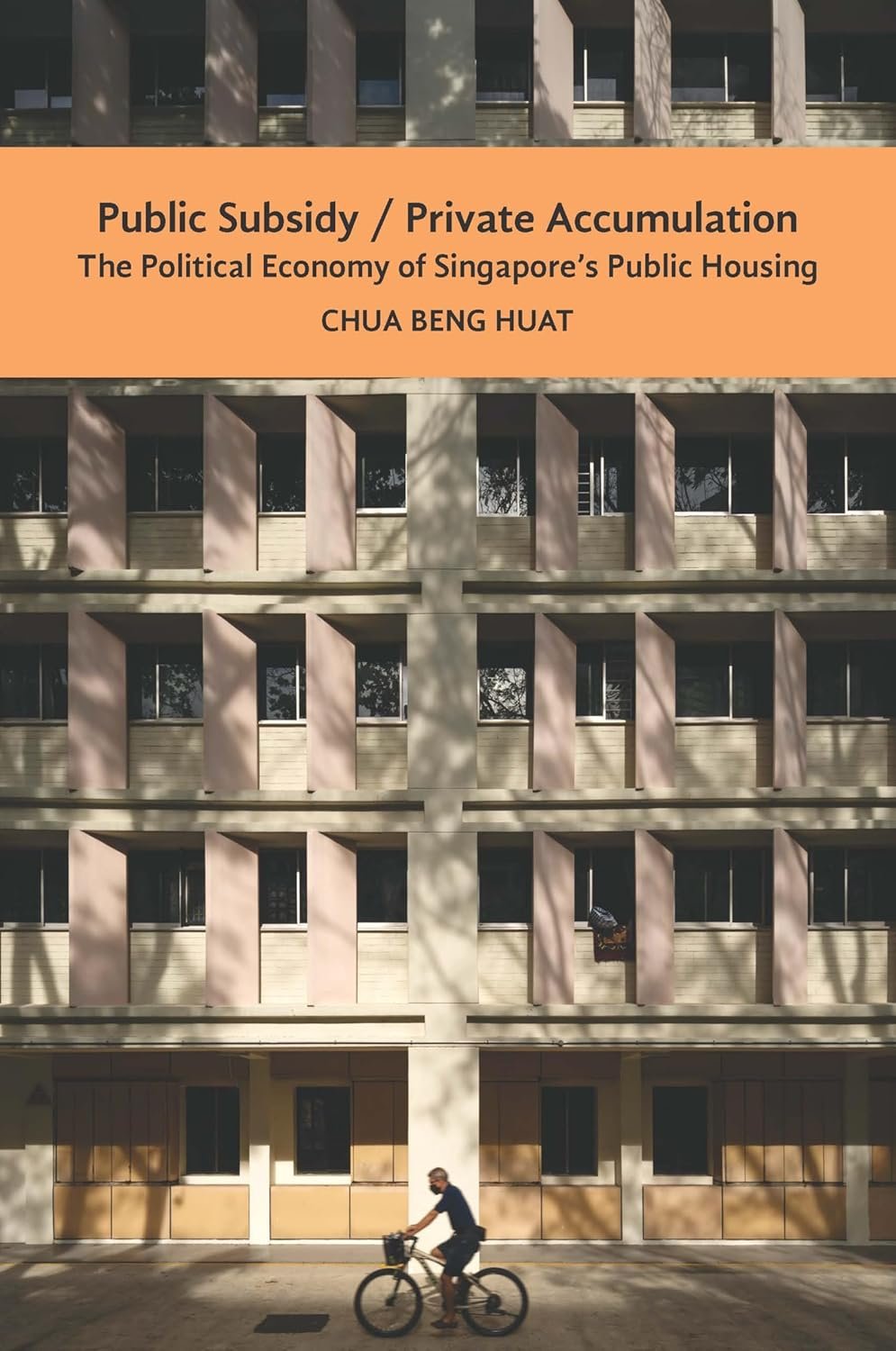
Imagine a city where nearly everyone lives in modern, affordable housing built and managed by the government. That's Singapore today—but the journey there is as fascinating as the destination itself.
Within just one year of taking power in 1959, Singapore's People's Action Party began delivering on its ambitious housing promises. By the 1980s, an incredible 85% of the population had been moved into modern flats—a transformation that took other cities decades to achieve. This book reveals how this remarkable success wasn't just about construction; it was about building political legitimacy and social cohesion in a young nation.
What makes Singapore's housing system truly unique is how it evolved from basic shelter provision into a sophisticated social welfare mechanism. Today, public housing serves multiple purposes: providing affordable homes for young families, creating retirement savings through property ownership, and even shaping the nation's economic development. The authors explore these complex relationships with clarity and insight.
As Singapore's first generation of public housing approaches the end of its 99-year leases, urgent questions emerge. Can the Housing and Development Board continue balancing affordability with financial sustainability? What happens when these valuable assets reach the end of their legal lifespan? This thought-provoking analysis doesn't just look back at past achievements—it helps us understand the challenges ahead.
Whether you're a student of political economy, an urban development professional, or simply someone fascinated by Singapore's unique model, this book offers unparalleled insights. It bridges the gap between academic rigor and accessible storytelling, making complex policy ideas understandable to readers without specialized knowledge.