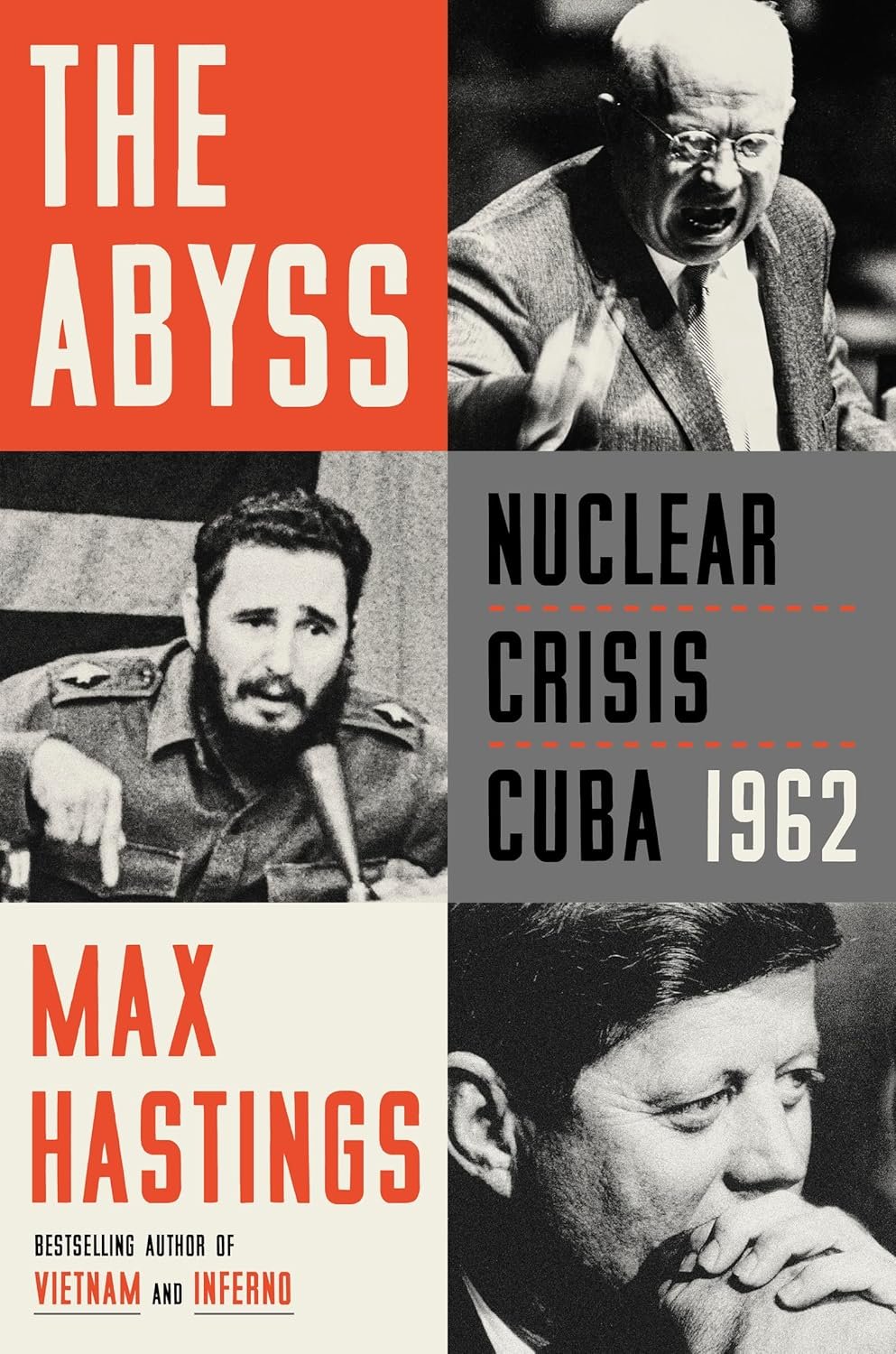
Picture this: October 1962. The superpowers are staring each other down over Cuba, missiles primed, the clock ticking toward potential apocalypse. Max Hastings' The Abyss pulls you right into that nightmare, but not through dry timelines or policy wonkery—instead, it's the raw human drama that makes your heart race.
At the center are the big names you know: President John F. Kennedy in the White House, chain-smoking and second-guessing every move; Nikita Khrushchev in Moscow, bluffing with Soviet steel; Fidel Castro in Havana, fiery and defiant. But Hastings goes deeper, spotlighting their advisors, the aides whispering in ears, the spies feeding intel. It's like being in the room where decisions dangled the world by a thread.
The narrative bounces across oceans—Moscow's Kremlin intrigue, Washington's frantic war rooms, Havana's revolutionary fervor. You'll feel the chill of U-2 spy plane footage revealing Soviet missiles, the dread as naval blockades tighten. Hastings draws from fresh archives and interviews, painting not just what happened, but why these men acted as they did, their fears, egos, and gambles.
What hits hardest? The bystanders. Families huddled around radios, world leaders sweating through sleepless nights, everyday folks sensing doom without knowing details. This isn't abstract Cold War history; it's visceral, with the kind of tension that rivals a thriller novel.
Thirteen days later, the crisis fizzled—but the scars remain. Hastings connects dots to today's tensions, showing how miscalculations then mirror risks now. Whether you're a history buff craving details on the Cuban Missile Crisis, or just curious how we dodged Armageddon, The Abyss delivers insight wrapped in a page-turner.
Grab it, settle in, and ponder: What if they'd blinked differently? Your next late-night read awaits.