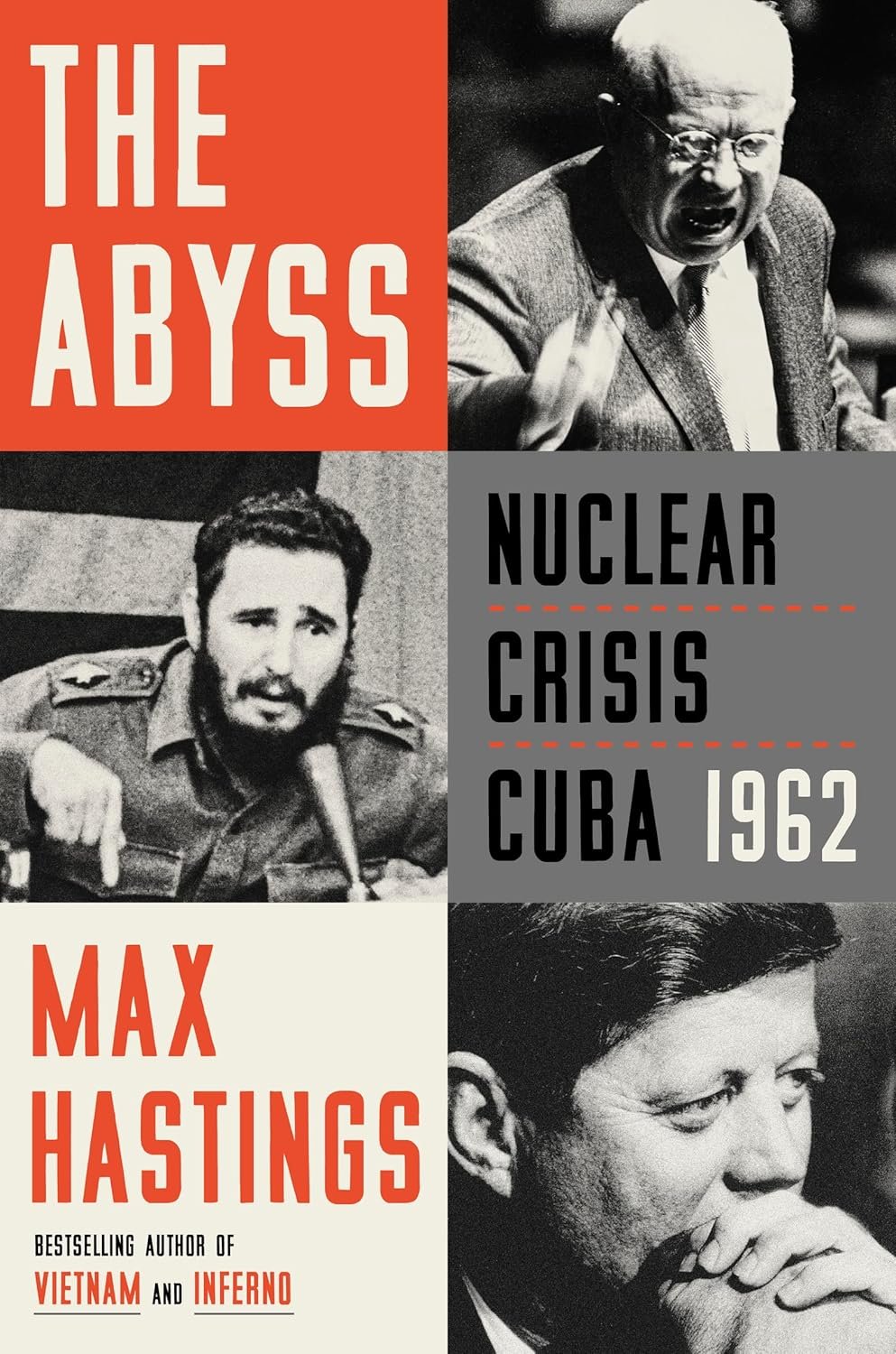
Picture this: it's October 1962, and the world holds its breath as U.S. spy planes spot Soviet missiles in Cuba, just 90 miles from Florida. One wrong move, and it's all over—nuclear fireballs lighting up the sky. Max Hastings' The Abyss doesn't just recount the facts; it drags you into the sweaty palms, whispered arguments, and sheer terror of the Cuban Missile Crisis.
Forget dry timelines. Hastings zeroes in on the humans at the center: President John F. Kennedy pacing the White House, Nikita Khrushchev chain-smoking in the Kremlin, Fidel Castro defiantly chain-smoking cigars in Havana. You'll meet their advisors too—the hawks pushing for invasion, the doves pleading for talks—and even civilians from Moscow to Miami wondering if tomorrow will come. It's history with heartbeats, showing how egos, fears, and snap decisions nearly doomed us all.
What sets this apart? Hastings' meticulous digging into declassified docs, personal letters, and overlooked voices from Soviets, Cubans, and Americans alike. He bounces between Washington, Moscow, and Havana, recreating the nail-biting U.S. naval blockade and the moment Khrushchev blinked. Sensory details pop: the hum of U-2 spy planes, the salty tension in the blockade line, the global sigh when missiles started heading home.
Why read it now? That crisis didn't vanish in '62. It shaped arms control, hotlines between superpowers, and our endless nuclear jitters. Understanding those 13 days helps make sense of modern standoffs—from Ukraine to the South China Sea.
Grab your Kindle and settle in for a page-turner that reads like a Tom Clancy novel but sticks to truth. Whether you're prepping for a book club debate, gifting to a history-loving dad, or just craving a reminder of how fragile peace is, The Abyss delivers. It's the kind of book that sticks with you, sparking late-night talks about 'what if.' Dive in, and feel the abyss staring back.