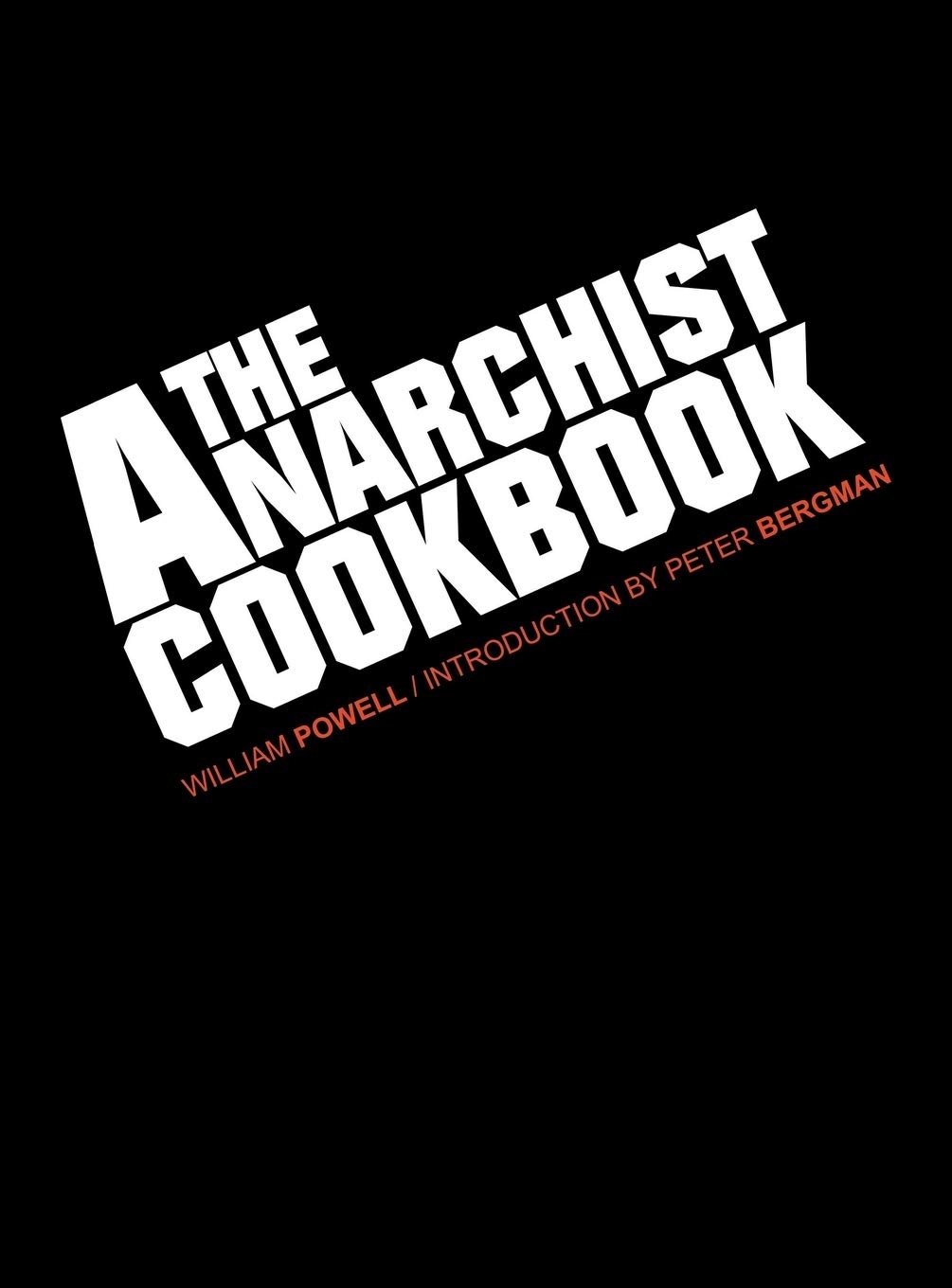
Originally published in 1971, The Anarchist Cookbook stands as one of the most controversial books of the 20th century. This infamous volume captured the revolutionary spirit of the counterculture era, presenting itself as a survival guide for what author William Powell called "the silent majority." What began as a reflection of the political turmoil of its time has since become a cultural artifact that continues to spark debate about free speech, dangerous knowledge, and the limits of published information.
Written during a period of intense social upheaval, the book emerged from the "Turn on, Burn down, Blow up" mentality that characterized certain segments of the 1970s revolutionary movement. Powell, who later renounced his work and apologized for its creation, intended the book as an educational tool rather than a call to action. The volume contains technical information ranging from electronics and surveillance to what the author termed "natural, non-lethal, and lethal weapons," presented alongside detailed illustrations and recipes.
Over five decades since its initial publication, The Anarchist Cookbook has transcended its original purpose to become a subject of academic study and cultural analysis. Scholars examine it as a primary source document reflecting the anxieties and ideologies of its time. The book's enduring notoriety stems from its unique position at the intersection of free speech debates, government surveillance concerns, and the question of whether knowledge itself can be inherently dangerous.
More than just a collection of technical information, this cookbook serves as a time capsule of revolutionary thought. The 111 illustrations supplement the various "recipes" and techniques, creating a comprehensive snapshot of the technical knowledge that circulated within certain counterculture circles. While the book's content remains disturbing to many contemporary readers, its historical significance cannot be denied as it continues to be studied by researchers examining the evolution of political movements and counter-surveillance tactics.
The Anarchist Cookbook's influence extends far beyond its pages, having been referenced in countless films, books, and music that explore themes of rebellion and government overreach. It has become shorthand in popular culture for the most extreme forms of countercultural expression. Despite its controversial nature, the book remains in continuous publication, suggesting a persistent fascination with the era it represents and the questions it raises about the relationship between information, power, and society.