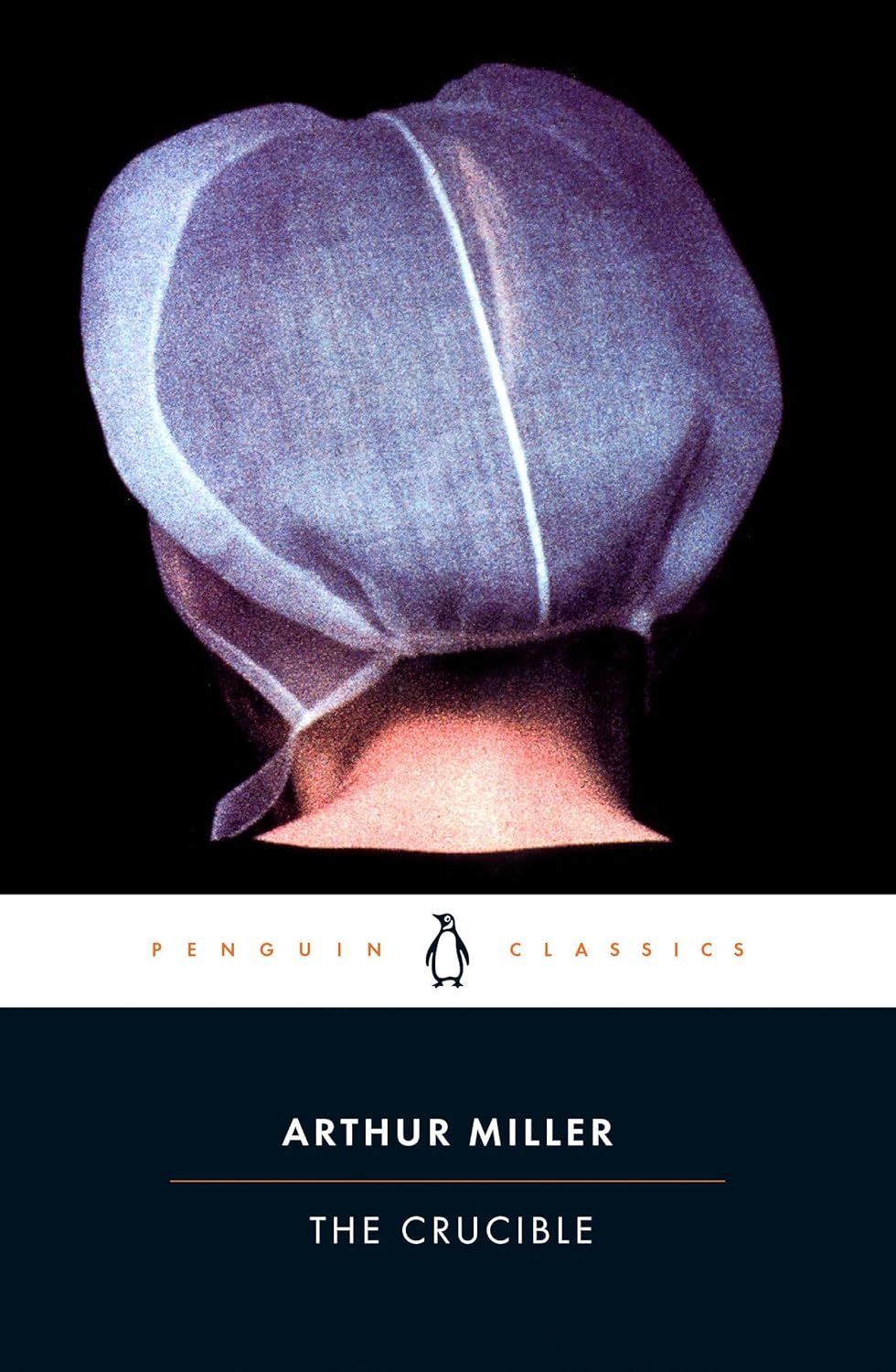
A haunting examination of groupthink and mass hysteria in a rural community, Arthur Miller’s "The Crucible" is a masterpiece that unfolds in the stark backdrop of 17th-century Salem, Massachusetts. The play is more than just a historical account; it serves as a powerful allegory for the anxieties of contemporary society. In Miller’s view, the reader will uncover the essential nature of one of history's most frightful periods where paranoia led to the tragic witch hunts.
In the Theocracy of Salem, simple accusations can escalate into widespread panic. The story begins when rumors arise that certain women, including Elizabeth Proctor, are practicing witchcraft, tapping into the town's deep-seated fears. This triggers a whirlwind of accusations led by young girls, initially motivated by personal grievances and the quest for power within a repressive social structure.
The community’s leaders, driven by self-righteousness, prioritize their fear of dissent over the pursuit of truth and justice. As the hysteria mounts, neighbors turn against each other, resulting in devastating consequences. Through these trials, Miller emphasizes the destructiveness of socially sanctioned violence and the ease with which moral judgments can be manipulated.
Written during the anti-Communist sentiment of the 1950s, "The Crucible" reflects the issues of its time, drawing parallels to the McCarthy hearings. Miller himself reflects on this correlation, suggesting that political opposition is often painted as morally corrupt, thus justifying extreme measures against dissenters. This thought-provoking play prompts readers to contemplate the consequences of hysteria and encourages an examination of moral courage in times of societal turmoil.
Published by Penguin Classics, this edition pays homage to over seventy years of excellence in classic literature. With a collection boasting 1,700 titles, readers can trust that they are engaging with authoritative texts complemented by insightful introductions, scholarly notes, and contemporary translations. "The Crucible" remains not only a vital piece of American literature but also a timeless reminder of the potential for human folly under duress.