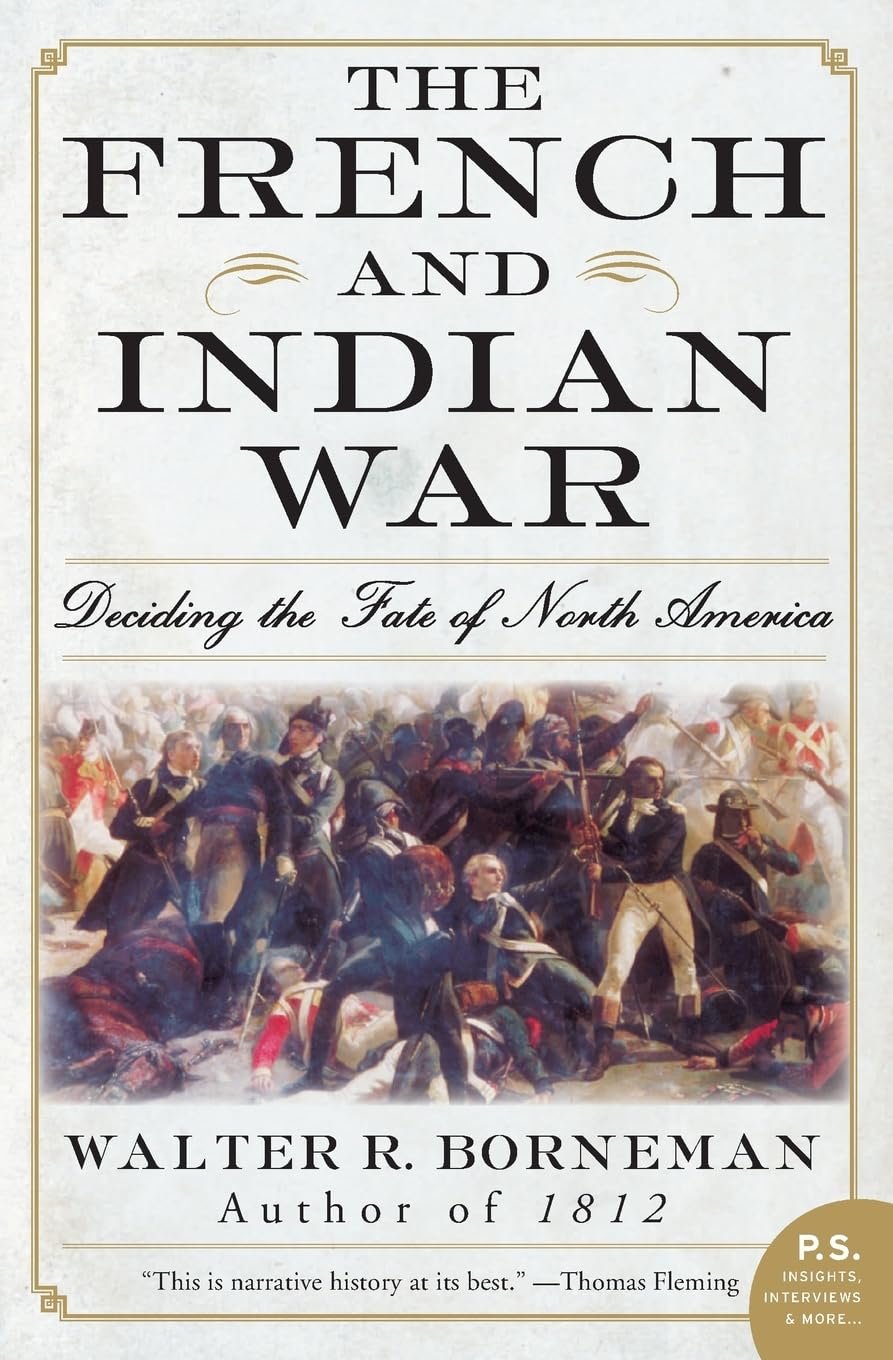
In the summer of 1754, deep in the wilderness of western Pennsylvania, a very young George Washington faced his first military defeat. This confrontation marked the rekindling of a centuries-old feud between Great Britain and France. The ensuing conflict, known as the French and Indian War, would rage across virgin territories, stretching from Nova Scotia to the forks of the Ohio River. What started as a local skirmish would escalate into a war of monumental proportions, determining the fate of North America.
This war was not merely a clash between two empires; it drew in various Native American tribes and the Spanish, making it a complex web of alliances and enmities. The stakes were immense, as control of these territories would dictate trade routes and economic dominance in the New World. Noted historian Walter R. Borneman beautifully captures the essence of this epic struggle, dubbed by Samuel Eliot Morison as ‘the first world war.’ He meticulously chronicles how this conflict reshaped the political landscape of North America and set the stage for future tensions.
Borneman’s narrative emphasizes the long-term consequences of the war, particularly how the seeds of discord planted in its aftermath would eventually blossom into the American Revolution. The themes of colonial ambitions, imperialistic rivalries, and the fight for sovereignty resonate throughout the book, making it a compelling read for anyone interested in American history.
This book is an excellent resource for history enthusiasts, students, and casual readers alike, offering a deep dive into the complexities of the French and Indian War and its profound implications on the development of the United States. With engaging storytelling and thorough research, Walter R. Borneman brings this critical chapter of history to life, ensuring the reader understands the significance of this conflict that shaped a nation.