In the heart of mid-twentieth century Rhodesia, a young boy named Cosmas Magaya began a journey that would transform him from a curious child into one of Zimbabwe's most revered mbira masters. This extraordinary biography by ethnomusicologist Paul F. Berliner invites readers into the rich world of Shona musical tradition, chronicling Magaya's early years with remarkable intimacy and detail.
Born into a family where his father served as both healer and spirit medium, Magaya was immersed in mbira music from his earliest days. The book traces how these formative experiences shaped his musical sensibilities, allowing him to gradually master the complex patterns and variations that define this sacred art form. Berliner's decades-long study of Zimbabwean music shines through as he documents Magaya's progression from playing simple melodies to understanding the deeply spiritual connections between the mbira and ancestral communication.
As Magaya's musical abilities grew, so too did his world beyond the family compound. The biography skillfully weaves together personal narrative with the broader social transformations of the era, showing how the young musician navigated the tensions between rural and urban life, traditional Shona cosmology and Christian ideology, and the escalating struggle for independence against white supremacist rule.
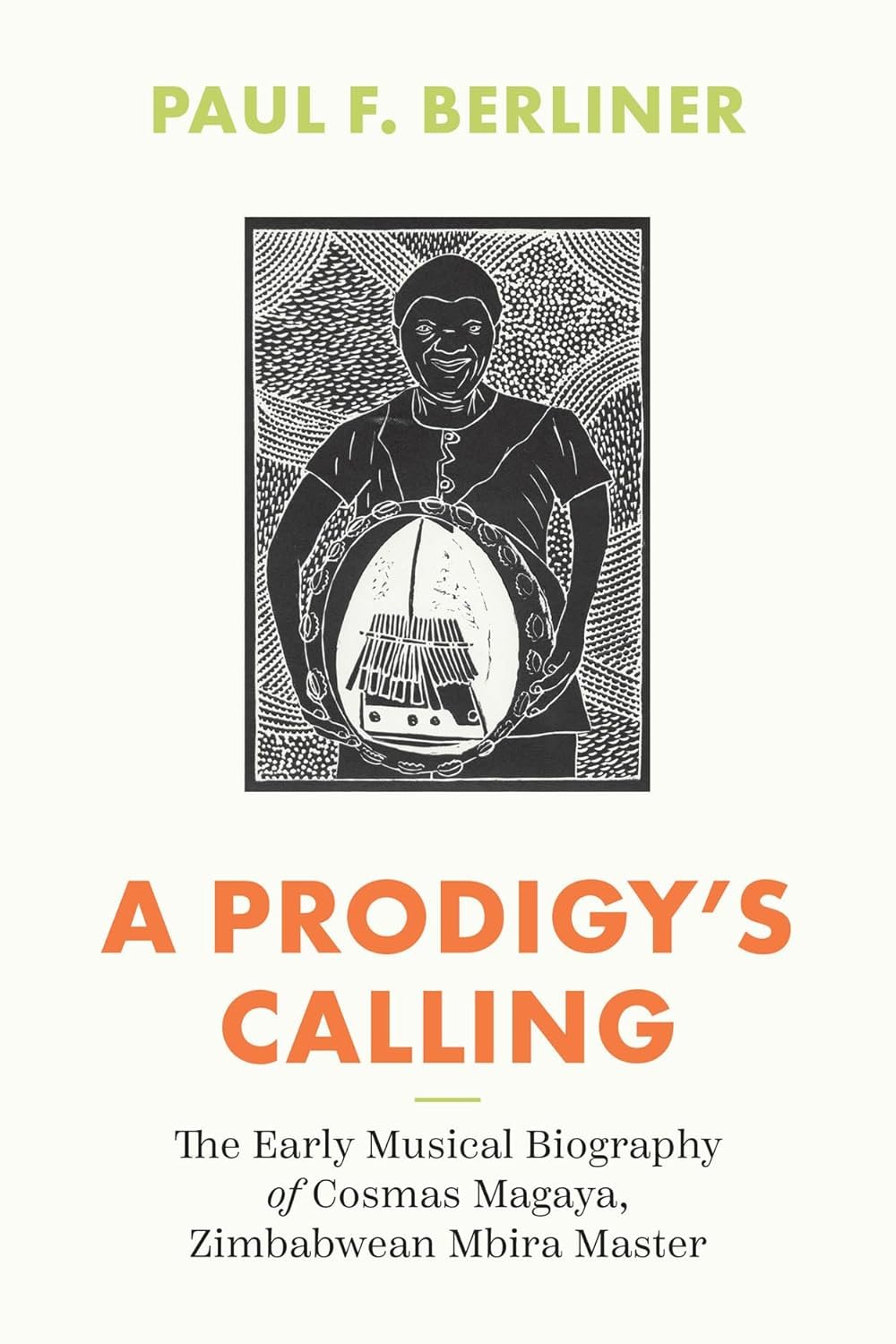
This book offers readers far more than a simple musician's biography—it provides an immersive cultural experience. Through QR codes linked to recordings, you can hear Magaya learning the very pieces described in the text, while the linocut illustrations by South African artist Lucas Bambo bring the narrative to life. For anyone interested in African musical traditions, colonial history, or the intersection of culture and politics, "A Prodigy's Calling" serves as both an educational resource and a moving testament to one man's dedication to preserving his heritage.
Particularly valuable are the appendices, which offer practical guidance for musicians interested in learning mbira playing techniques. Whether you're a dedicated ethnomusicologist, a casual world music enthusiast, or simply someone curious about different cultural traditions, this book invites you to understand not just how mbira music sounds, but why it matters to the people who create and cherish it.