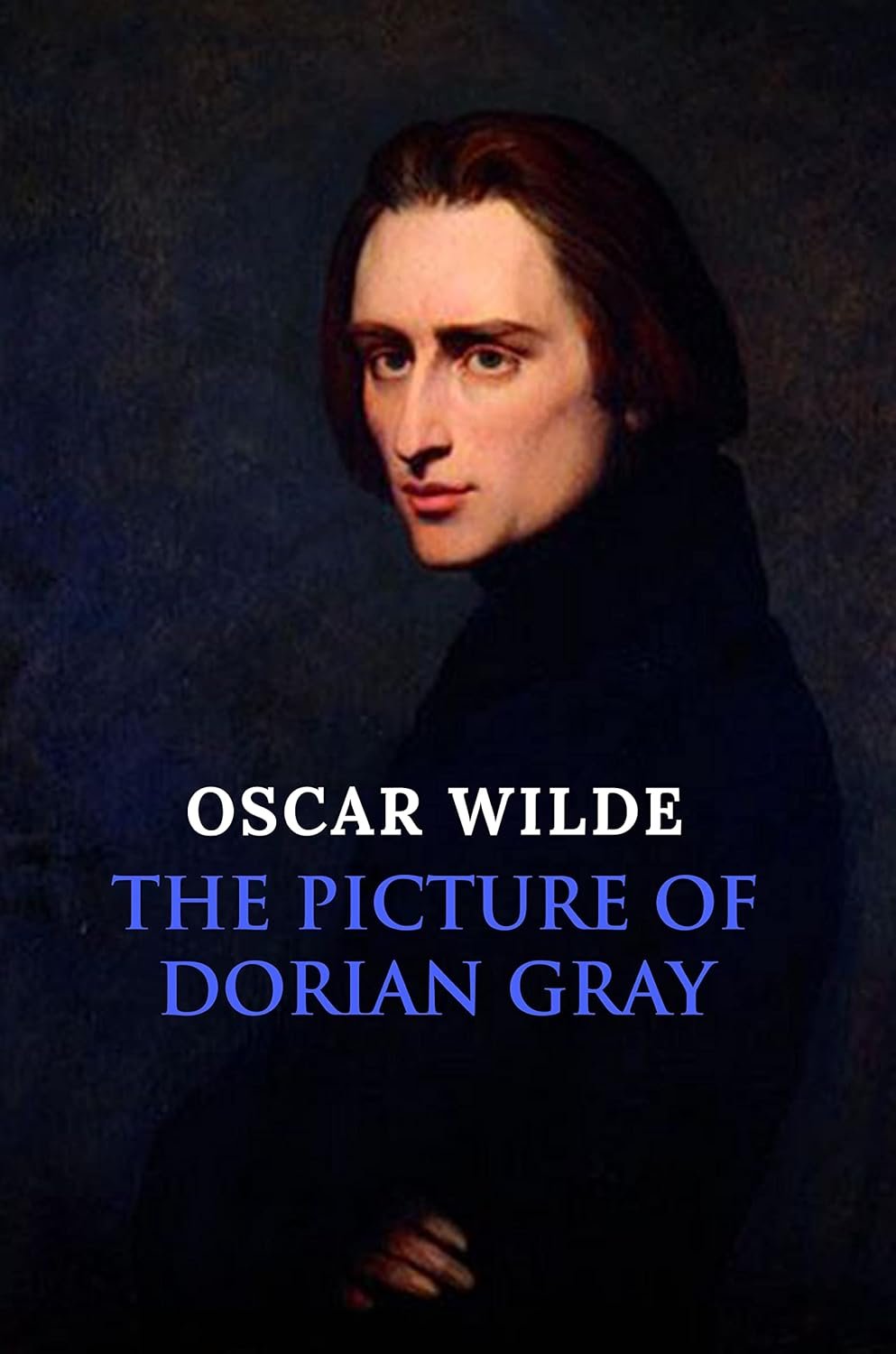
Discover the timeless allure of Oscar Wilde's 'The Picture of Dorian Gray,' a philosophical novel that continues to resonate through the ages. First published in the July 1890 issue of Lippincott's Monthly Magazine, this compelling story captures the essence of Wilde's artistic prowess and exploration of complex themes such as beauty, morality, and the pursuit of pleasure.
The narrative centers around Dorian Gray, a young man whose stunning portrait is painted by Basil Hallward, an artist deeply captivated by Dorian's beauty. When Dorian becomes acquainted with the charismatic Lord Henry Wotton, he is drawn into a world of hedonism and indulgent liberties, leading to the chilling desire to remain forever youthful. As Dorian expresses his wish to have his portrait age instead of him, he embarks on a reckless path filled with amoral experiences, unaware of the consequences that await him.
Throughout his journey, the portrait becomes a haunting reflection of Dorian’s soul, visually recording each of his sins and moral decay, while he enjoys the pleasures of life unfettered by the passage of time. Every act of debauchery and cruelty he commits is etched onto the canvas, leading to an eventual confrontation with the true nature of his desires and the cost of his eternal beauty.
The original 1890 edition of 'The Picture of Dorian Gray' offers readers a glimpse into the depths of Wilde's creativity and critical viewpoint on society's obsession with aesthetics. This novel not only serves as a piece of literature but also as a cautionary tale about the perils of living a life devoid of accountability and integrity. Immerse yourself in this classic that challenges the perception of morality against the enchanting backdrop of Victorian London.