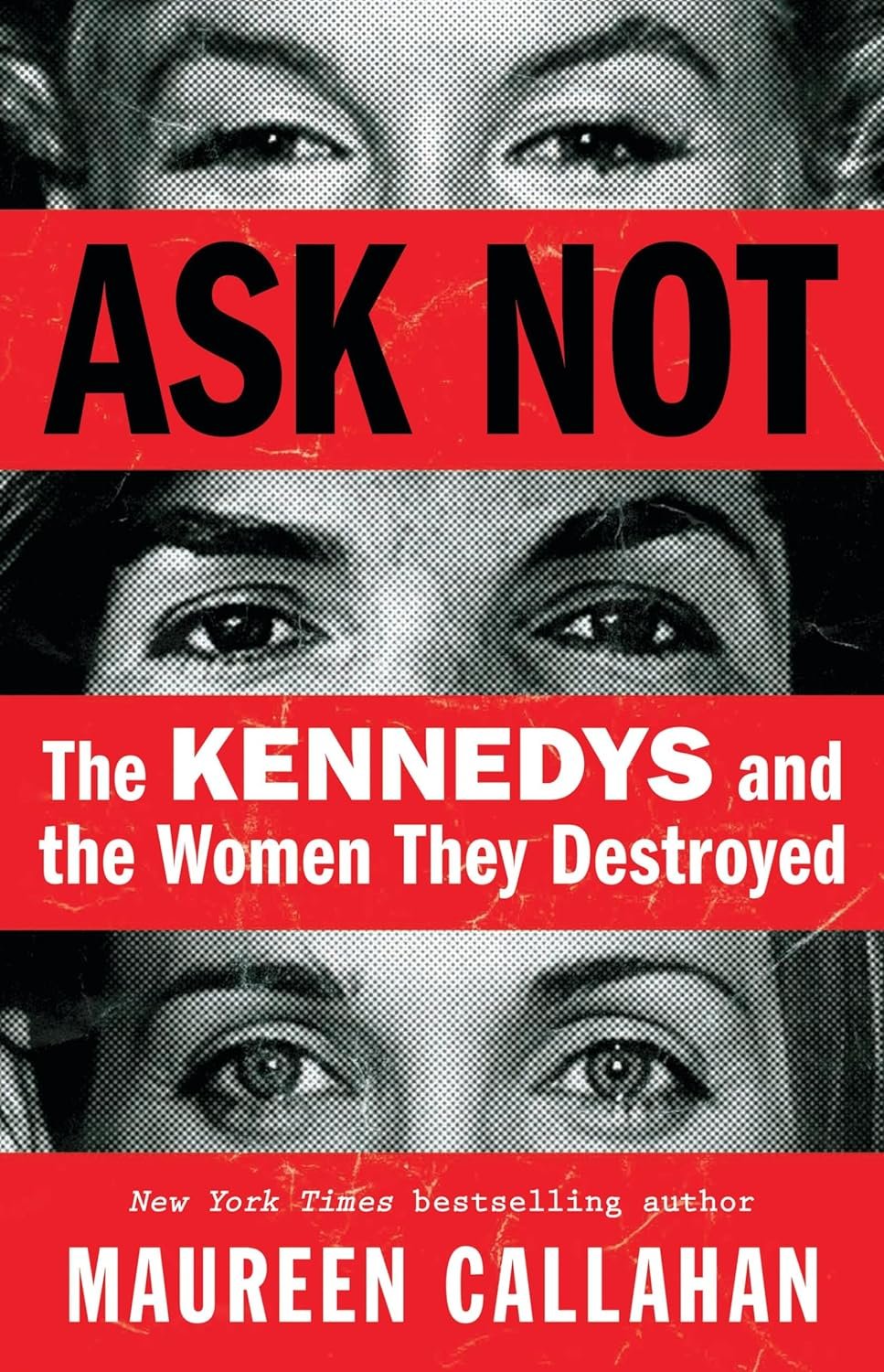
For generations, the Kennedy family has stood as a symbol of wealth and power in America, but there is a darker narrative lurking beneath the surface. In 'Ask Not: The Kennedys and the Women They Destroyed', Maureen Callahan invites readers on a harrowing journey through the shadowy history of this iconic family. This isn't just another tale of glamour; it's a shocking exposé that reveals a legacy of misogyny, abuse, and deception.
Callahan's work presents an unflinching look at the darker side of the Kennedy legacy, shedding light on the tragic stories of women—including renowned figures like Jacqueline Onassis and Marilyn Monroe—who suffered at the hands of their infamous male counterparts. The book traces the multi-generational impact of the "Kennedy Curse," a term that captures the pain and trauma endured by the victims of this family's unchecked power.
Written in electrical prose, 'Ask Not' interweaves the personal and the political, providing a gripping narrative that is both timely and timeless. Callahan’s in-depth research brings to light countless scandals, painting a vivid picture of sexual assault, psychological abuse, and the systems that condoned such behaviors. Through her eyes, we explore a series of events that not only shaped lives but also altered the course of American history.
This book is more than just a recounting of historical events; it's an act of reclamation. Callahan redirects the focus to the women in the Kennedys’ lives, honoring their struggles while giving voice to those who have been silenced. The stories of Carolyn Bessette, Martha Moxley, and Rosemary Kennedy emerge from the shadows, reminding readers of the resilience of women who navigated a world fraught with danger and betrayal.
Whether you're a history buff or new to the Kennedys’ saga, 'Ask Not' offers a profound exploration that is both engaging and necessary. It’s a must-read for anyone seeking to understand the implications of power and the often-overlooked voices of those affected by it. As readers will discover, the legacies of the past can illuminate the present in unforeseen ways.