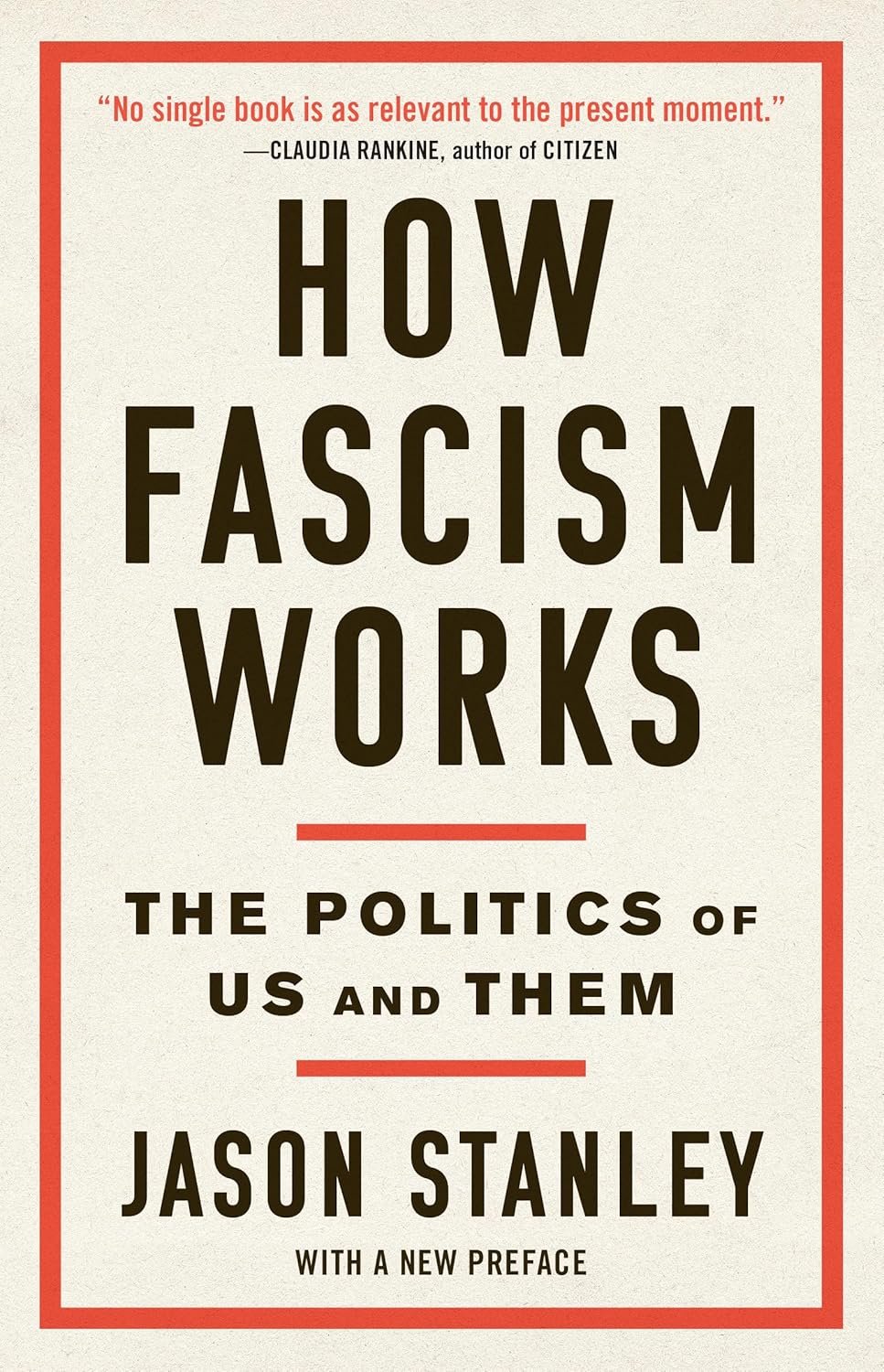
In an era where the fabric of democracy is being tested, Jason Stanley's How Fascism Works offers a compelling examination of the threats posed by authoritarianism. As a Yale philosopher whose roots trace back to WWII Europe, Stanley draws on his rich experiences and scholarship to dissect the ten pivotal pillars of fascist politics. His exploration is not only timely but essential for those who wish to understand the underlying factors contributing to our current societal tumult.
This powerful book identifies concepts such as victimhood, propaganda, and anti-intellectualism as foundational elements of fascist ideology. Stanley deftly illustrates how these strategies exploit societal fears and challenges, creating a divisive ’us vs. them’ narrative that is alarmingly effective. By weaving together historical examples and contemporary case studies from varied countries like Hungary, Poland, and India, he composes a coherent narrative that showcases the eerie evolution of fascist tactics through time.
Stanley’s work sheds light on the critical need to recognize these patterns within our modern political discourse. As citizens navigate the complexities of today’s global landscape, understanding how rhetoric can morph into reality becomes increasingly vital. How Fascism Works offers not just an analysis but a call to action, emphasizing the importance of defending democratic ideals against encroaching authoritarian tendencies.
This book serves as a vital resource for anyone concerned about the direction in which democracy is heading. Whether you're a student of political theory or simply a curious reader, Stanley’s clear and accessible writing empowers you to explore the historical and philosophical aspects of fascism. As you delve into its pages, you'll find a framework for understanding not just the political climate we face today, but also the tools to advocate for a more inclusive and democratic future.
Recognizing the signs of fascism is the first step towards resistance. How Fascism Works equips you with the insights needed to navigate today's political landscape thoughtfully and critically, fostering a greater awareness of the challenges that democracy faces globally.