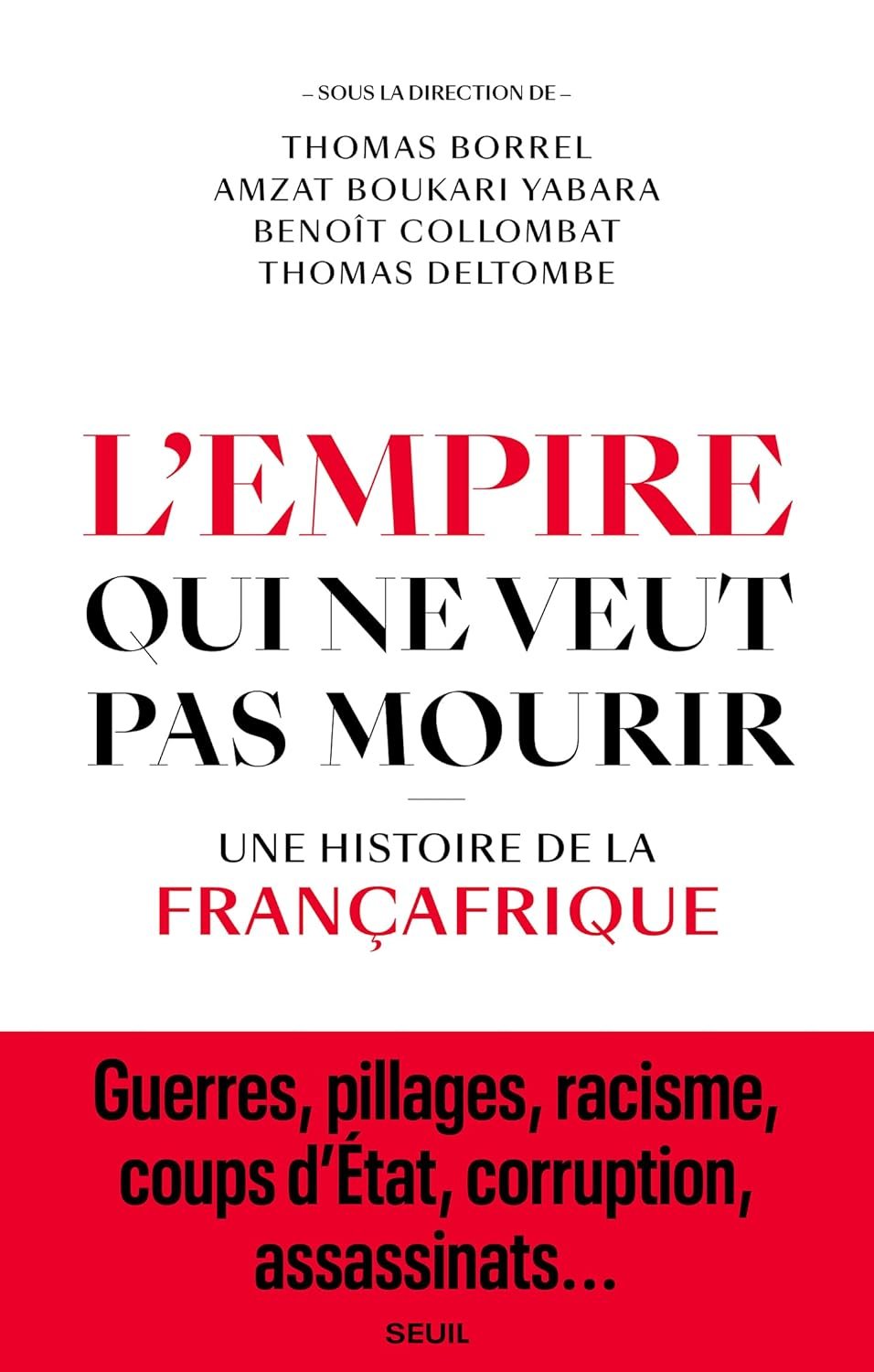
Unraveling Françafrique: A Hidden Legacy
In the heart of France, there’s a persistent narrative that ‘Françafrique is dead and buried.’ Yet, from Ouagadougou to Libreville, and Dakar to Abidjan, youth unrest echoes a starkly different reality. What looks like liberation often masks a powerful hold, as many young Africans fight against what they view as a lingering imperial influence on their future. This narrative begs a deeper examination of the system they are up against.
An Illusion of Independence
When France officially granted independence to its former colonies after World War II, it seemed like the dawn of a new era. However, the truth is far more complex and troubling. The book reveals how the French government subtly maintained its domination through Françafrique, a term describing a web of past colonial ties that still affect modern-day relations. This backstory highlights the reality of a system that, under the guise of official agreements, intertwines military, monetary, diplomatic, and indeed nefarious acts to retain influence.
The Reality Today
Françafrique is not merely a relic of history; it persists, thriving under the watchful eyes of both French authorities and some African elites. As this book emphasizes, it’s a model that has warped over time yet remains hostile to true freedom for the common people. It’s a stark reminder of how historical promises of ‘rupture’ have often been hollow, allowing autocratic regimes to flourish while benefitting from French support.
Insights from Experts
This collection, brought together by esteemed scholars, journalists, and activists, dives into the intricate layers of this enduring phenomenon. Each piece peels back layers of complicity and resistance, illustrating how Françafrique adapts to modern contexts while remaining rooted in its colonial origins. Readers will find insights not only into the historical trajectories but also into the future landscape shaped by youthful rebellion against historical oppressions.
Conclusion
Whether you're a student of history, a proponent of social justice, or simply curious about the complexities of global relations, this book serves as a critical resource. It’s not just a history lesson; it’s a call to action for understanding and confronting the hidden systems that underpin contemporary Africa. By illuminating these truths, we can begin to envision a path towards genuine independence and equitable relationships.