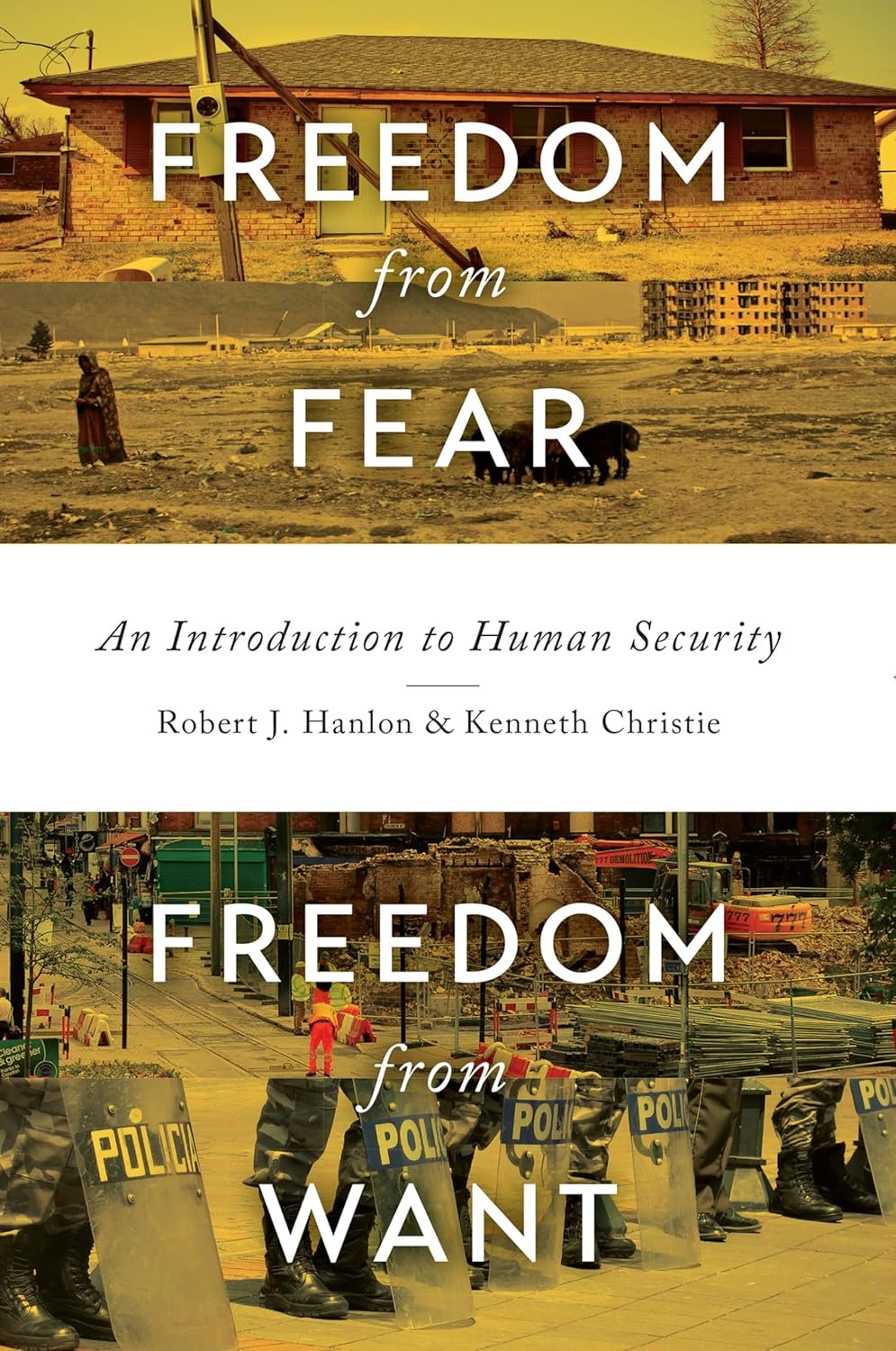
In today's complex world, understanding human security has never been more crucial. This essential academic guide bridges the gap between theoretical concepts and real-world challenges, offering readers a comprehensive framework for analyzing global threats and potential solutions.
The book adopts an interdisciplinary approach that examines key human security issues through multiple lenses. Readers will explore the interconnected nature of climate change, crimes against humanity, terrorism, and transnational crime, gaining insights into how these challenges impact global stability. The authors present complex topics in an accessible manner while maintaining academic rigor, making this text ideal for both classroom instruction and independent study.
What sets this book apart is its focus on practical mechanisms for addressing security threats. The authors encourage readers to critically evaluate emerging threats while exploring various approaches to deterrence and conflict resolution. You'll learn about economic development strategies, diplomatic approaches, peacekeeping operations, and the role of international law in maintaining human security. Each chapter provides concrete examples and case studies that bring theoretical concepts to life.
Whether you're a student in a human security course, an educator preparing course materials, or a professional seeking to understand global security dynamics, this book offers valuable insights. Its concise yet comprehensive approach makes complex topics manageable while maintaining depth and nuance. The inclusion of restorative justice perspectives adds a unique dimension that distinguishes it from traditional security texts.
This book doesn't just present information—it equips readers with the analytical tools needed to understand and address security challenges in our increasingly interconnected world. The emphasis on critical thinking and interdisciplinary approaches makes it an invaluable resource for anyone concerned with global peace and human welfare.