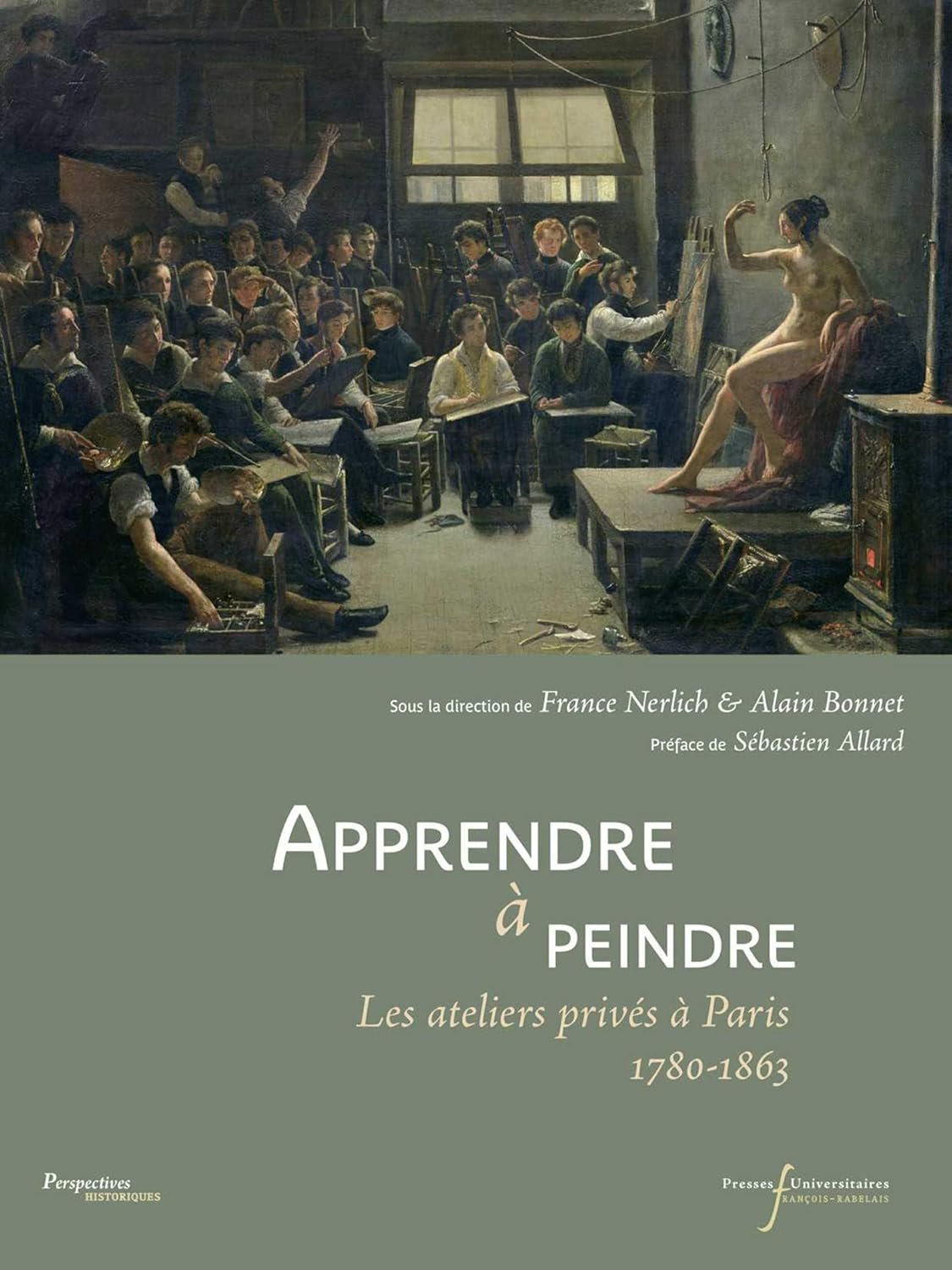
Imagine stepping into the dimly lit studios of 19th-century Paris, where the scent of oil paints and turpentine fills the air, and young artists wrestle with canvases under the watchful eye of a master. That's the world Apprendre à peindre: Les ateliers privés à Paris 1780-1863 brings vividly to life, uncovering the overlooked heart of French art education before the official academies dominated the scene.
For centuries, learning to paint meant apprenticing in workshops tied to guilds and masters, a system rooted in the Old Regime. But as the 18th century waned, Paris buzzed with change. Private ateliers emerged as hybrid spaces—part artisan cell, part budding academy—where painting classes weren't formalized until 1863 at the École des Beaux-Arts. This book, drawing on fresh historical perspectives, reveals how these studios became crucibles for redefining what it meant to be a painter in a rapidly modernizing world.
Picture a young artist, brush in hand, navigating the push-pull between mentor's guidance and personal vision. These private workshops weren't just about technique; they reshaped professional identities. Training grew more structured, yet the master-apprentice bond evolved into something more complex, echoing nostalgic ties to the past while fostering independence. Students gained unprecedented freedom with models and styles, turning studios into experimental labs rife with both anxiety and excitement over uncharted artistic territories.
Through detailed accounts, the author traces how these spaces influenced everything from aesthetic choices to social status among artists. It's not just dry history—it's a window into the human drama of creation, showing how private ateliers paved the way for modern art's emphasis on individuality.
If you've ever strolled the Louvre or pondered Impressionism's roots, this Kindle edition offers essential context. It answers questions like: How did Paris become the art capital? What role did informal education play in birthing geniuses like Delacroix or Courbet? With its focus on tangible details—lesson structures, daily routines, evolving teacher-student dynamics—you'll feel the pulse of that era's creativity.
Whether you're a student of art history, a painter seeking inspiration, or simply curious about cultural shifts, this book delivers engaging insights without overwhelming jargon. Download it to your Kindle and transport yourself to those transformative Parisian studios, where the seeds of artistic modernity were sown one brushstroke at a time.