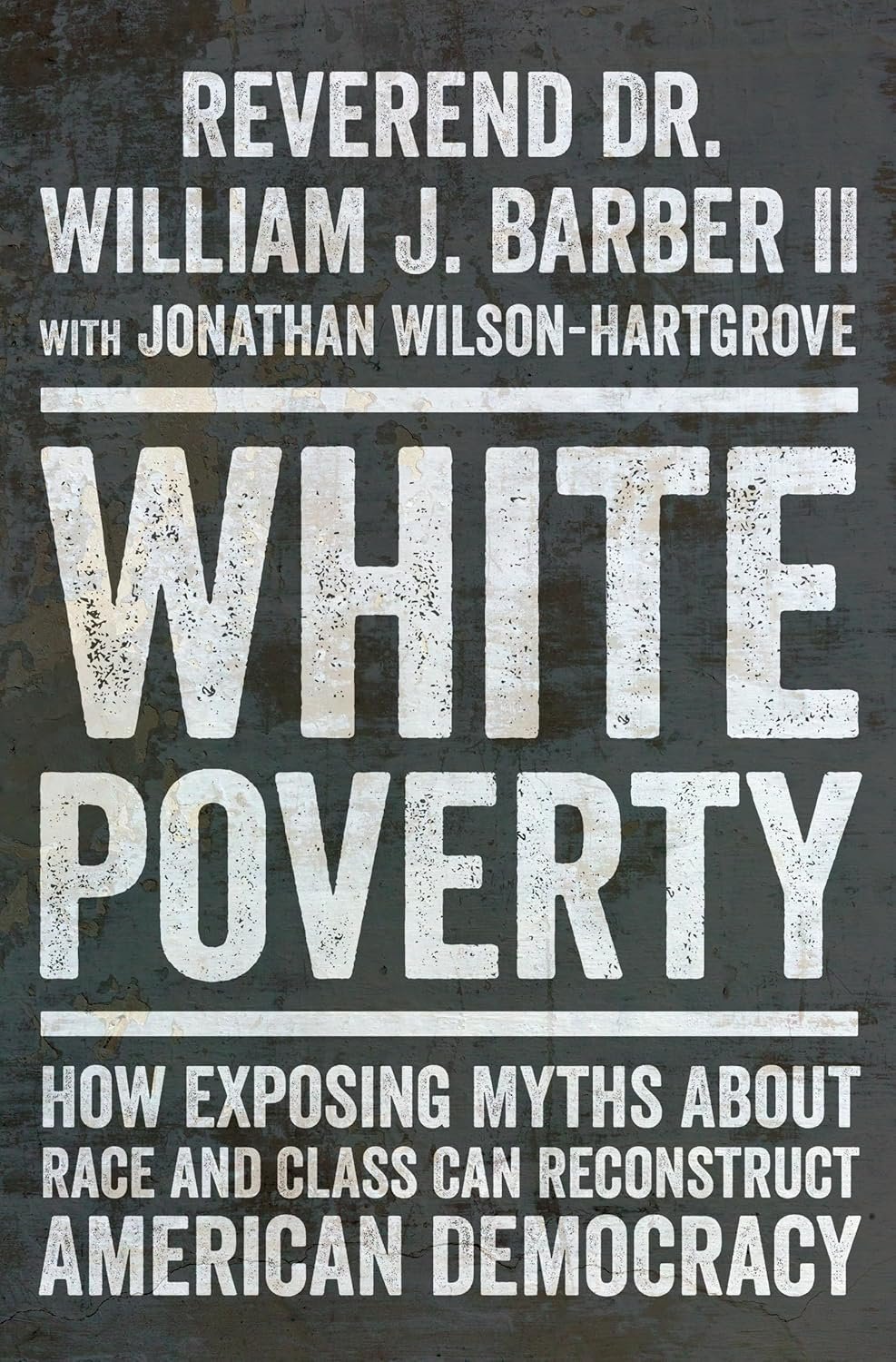
Imagine a country where the face of poverty isn't what the media or politicians tell you it is. Back in the 1930s, poor white families were the stark image of economic hardship during the Great Depression. Fast forward to today, and those same struggles persist for tens of millions of white Americans living in poverty—yet society clings to outdated stereotypes linking poverty solely to Black communities. Why does this disconnect exist, and what damage is it doing to our democracy?
Rev. Dr. William J. Barber II, a modern-day voice for the marginalized, teams up with Jonathan Wilson-Hartgrove to unpack these deeply rooted myths in White Poverty. Through sharp historical analysis, they trace how associations between race and class have been weaponized since the New Deal era. What started as political strategies to maintain power has evolved into a cultural blind spot, where issues like welfare and unemployment are dismissed as "urban" problems. Barber's personal anecdotes, drawn from his life advocating for the poor, bring these abstractions to life, making you feel the frustration of families scraping by while being told their whiteness is their only asset.
This isn't just a critique; it's a call to action rooted in empathy and faith. The authors highlight how skyrocketing costs for housing, healthcare, and education trap working-class folks regardless of skin color, while stagnant wages benefit only the elite. By exposing these lies, White Poverty proposes a "moral fusion movement"—echoing the coalitions of the past that fought for civil rights and economic justice. Picture poor white voters in rural Appalachia and Black communities in the South realizing their shared pain, mobilizing together to demand policies that lift everyone.
In an election cycle riddled with division, understanding white poverty as a key to dismantling racism feels urgent. Barber writes with biblical conviction, insisting there's no shame in being poor, only in ignoring those who are. With 12 black-and-white illustrations enhancing the narrative, this hardcover packs historical depth with forward-looking hope. Whether you're studying American inequality, seeking inspiration for social activism, or just curious about the untold stories shaping our nation, White Poverty offers a fresh, compassionate lens. It's the kind of read that lingers, challenging you to see neighbors—not enemies—in the faces around you. At around 400 pages, it's substantial yet accessible, blending memoir, scholarship, and vision to reconstruct what democracy could be.