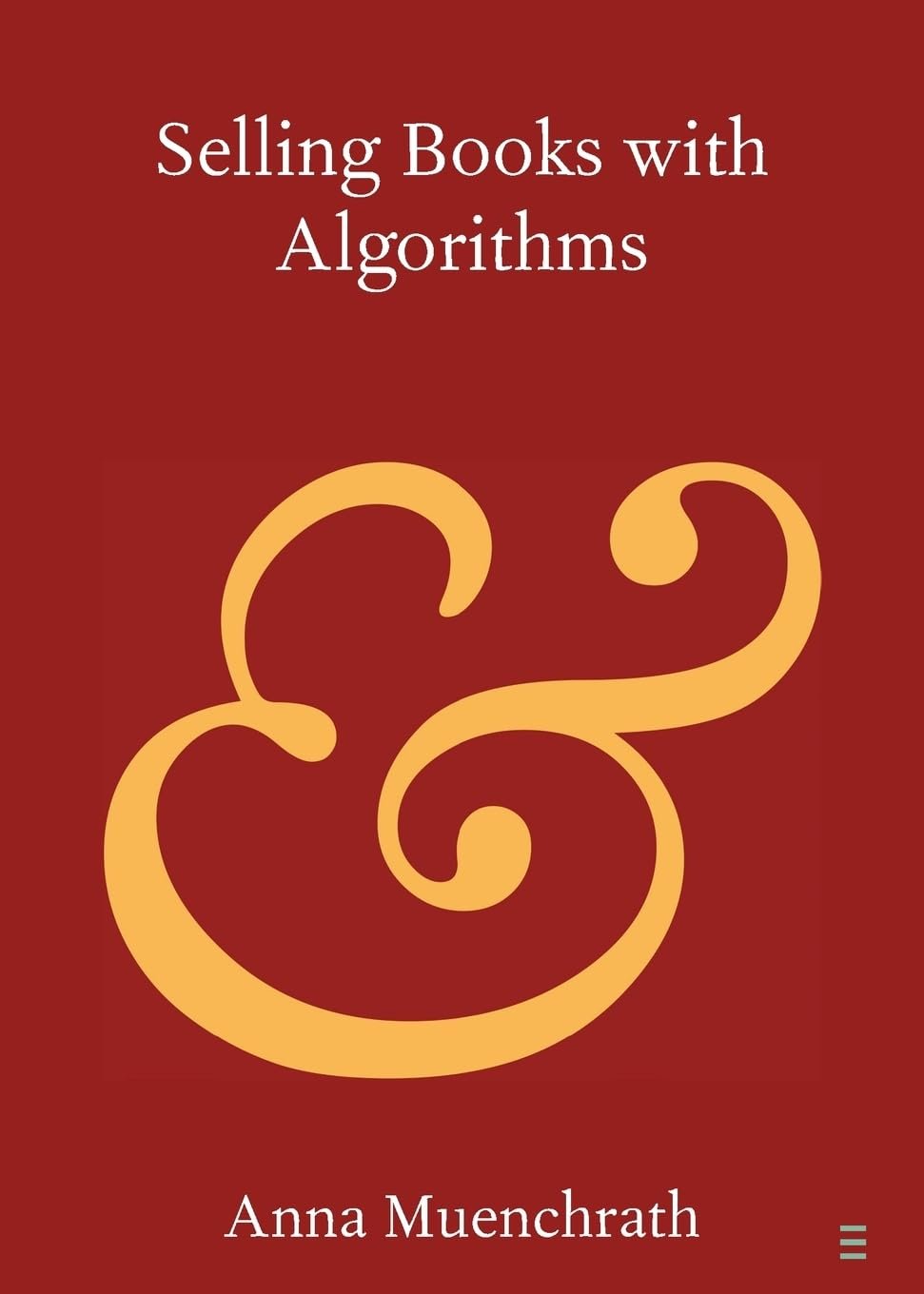
Picture this: it's 1997, and Amazon's just a scrappy online bookstore. Fast-forward to today, and it's the behemoth dominating U.S. books sales, fueled by clever algorithms crunching your browsing data. "Selling Books with Algorithms" pulls back the curtain on how these systems recommend titles, nudge them into your feed, and quietly transform the entire publishing world.
At its core, the book demystifies recommendation algorithms. They don't just guess—they analyze patterns in what you've clicked, bought, and lingered over. Think personalized lists that feel eerily spot-on, boosting certain books while others fade into obscurity. The author smartly frames these as 'performances,' not neutral tools, highlighting their cultural biases and the authority we hand them.
Beyond the tech, it spotlights material impacts. Bookstore workers adapt to data-driven stocking; indie shops scramble to compete. You'll see how algorithms influence labor—from curators becoming data wranglers to the subtle shift in what stories get told. It's eye-opening for anyone who's ever questioned why some books blow up overnight.
What sets this apart? A forward-looking push for "algorithmic literacy" in bookselling. Imagine publishers and sellers understanding these black boxes enough to level the playing field. Whether you're a curious reader dissecting your own Amazon habits, a bookstore owner eyeing survival strategies, or a publishing pro pondering the future, this 100-page Element packs dense insights without the jargon overload.
Grab it if you've ever paused mid-scroll, wondering who's really curating your shelf. In a world where algorithms pick our page-turners, knowing their playbook changes everything—from smarter shopping to advocating for diverse voices in books.