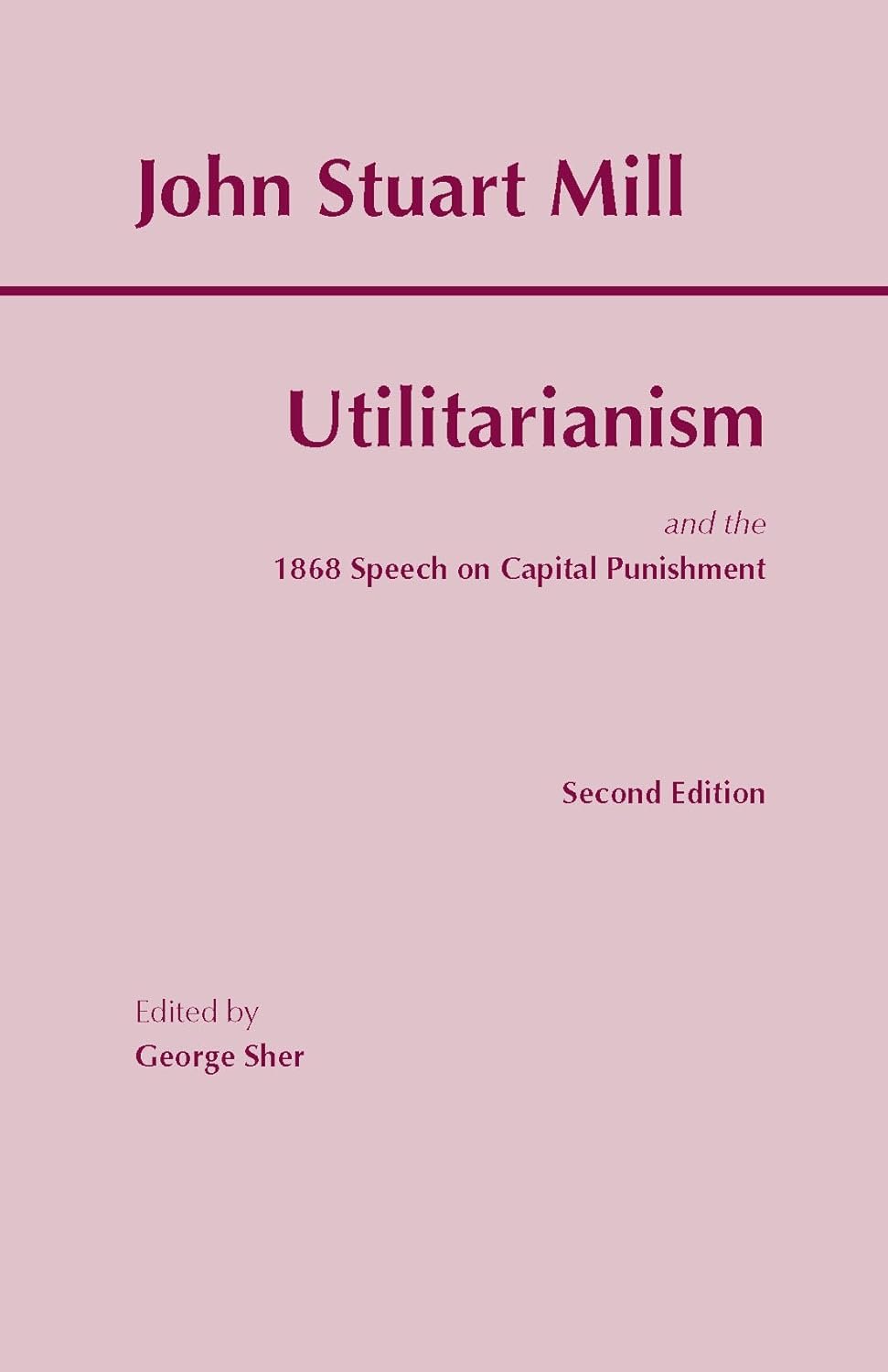
Utilitarianism: and the 1868 Speech on Capital Punishment is a critical text for anyone interested in philosophy, ethics, and social policy. In this expanded edition, readers are presented with John Stuart Mill's foundational ideas on utilitarianism alongside his compelling 1868 speech delivered to the British House of Commons. Mill's work argues for the principle of utility, suggesting that actions are right if they promote happiness and wrong if they produce the opposite of happiness.
The added speech is not just a historical artifact; it remains profoundly relevant as it addresses the contentious issue of capital punishment. Mill's eloquent defense of the death penalty for aggravated murder raises questions about justice, morality, and societal well-being, making this text a must-read for both students and scholars.
This edition provides readers with rich insights into how utilitarian principles can be applied to real-world issues, particularly in debates surrounding complex moral questions. The arguments Mill presents demonstrate a thoughtful consideration of potential consequences and societal impacts, inviting readers to engage with the text and examine their own perspectives on these issues.
Furthermore, this book is not just for academic use; it serves as a valuable resource for anyone interested in the ongoing discussions about human rights, legal policies, and ethical frameworks. Mill’s insights encourage a reflective examination of the efficacy and morality of capital punishment, a topic that continues to evoke strong opinions in modern society.
In short, this edition of Utilitarianism is essential for those who wish to explore the intersections of ethics, law, and societal values, making it a poignant addition to any philosophical library.