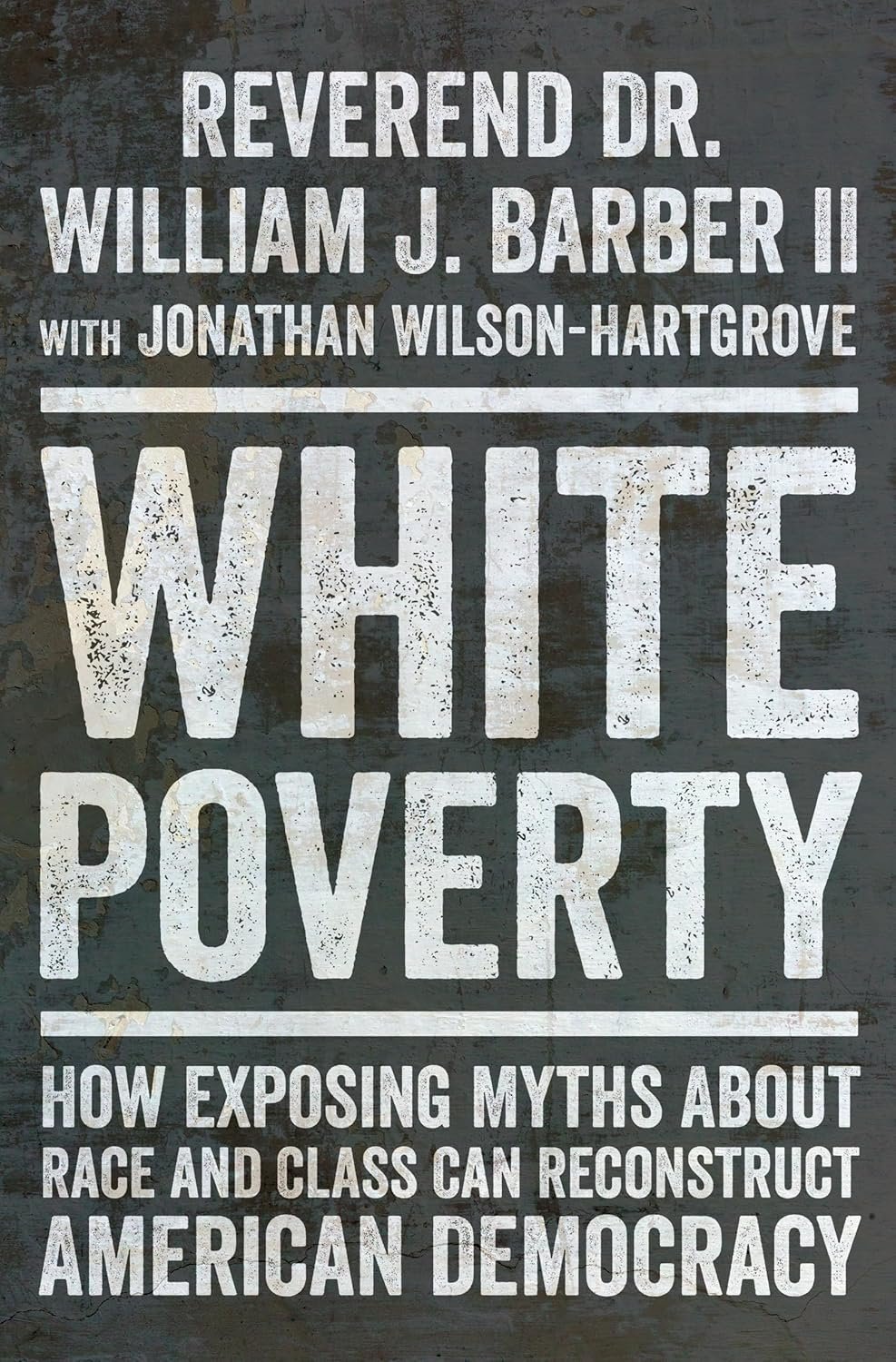
Picture this: America in the 1930s, where the face of poverty was undeniably white. Fast-forward to today, and that image has flipped, thanks to myths that tie being poor solely to Black skin. But here's the reality check from Rev. Dr. William J. Barber II and Jonathan Wilson-Hartgrove in White Poverty: there are forty million more poor white people than Black people in the US right now.
This isn't just a stat—it's a story buried under decades of messaging from politicians and media. Barber, often called the closest thing we have to Dr. King, digs into the 1930s shift, when New Deal policies started reshaping who we see as 'deserving' poor. He shows how welfare stigma, unemployment lines, and food stamps got racialized, even as white families struggled with skyrocketing housing, healthcare, and education costs while wages flatlined for everyone but the top earners.
What makes this book hit different? It's not dry academia. Barber weaves in his own life experiences, Biblical wisdom reminding us there's no shame in poverty, and a vision for a 'moral fusion movement.' Imagine poor whites and Blacks realizing they've been pitted against each other by billionaires who profit from division. With 12 black-and-white illustrations bringing history alive, it spotlights neglected truths that could rally tens of millions of non-voters.
Think about flipping through these pages during a late-night read, or passing it to a friend frustrated with politics. It's for anyone questioning why class gets overshadowed by race in debates, or seeking ways to bridge divides. Readers walk away seeing poverty not as a racial issue, but a shared American crisis demanding unity. In a time when social media fuels anger over solutions, White Poverty offers empathy, analysis, and actionable hope—proving that exposing myths about race and class might just reconstruct our democracy.
Hardcover edition, June 2024 release. Dive in and see how one overlooked topic changes everything.