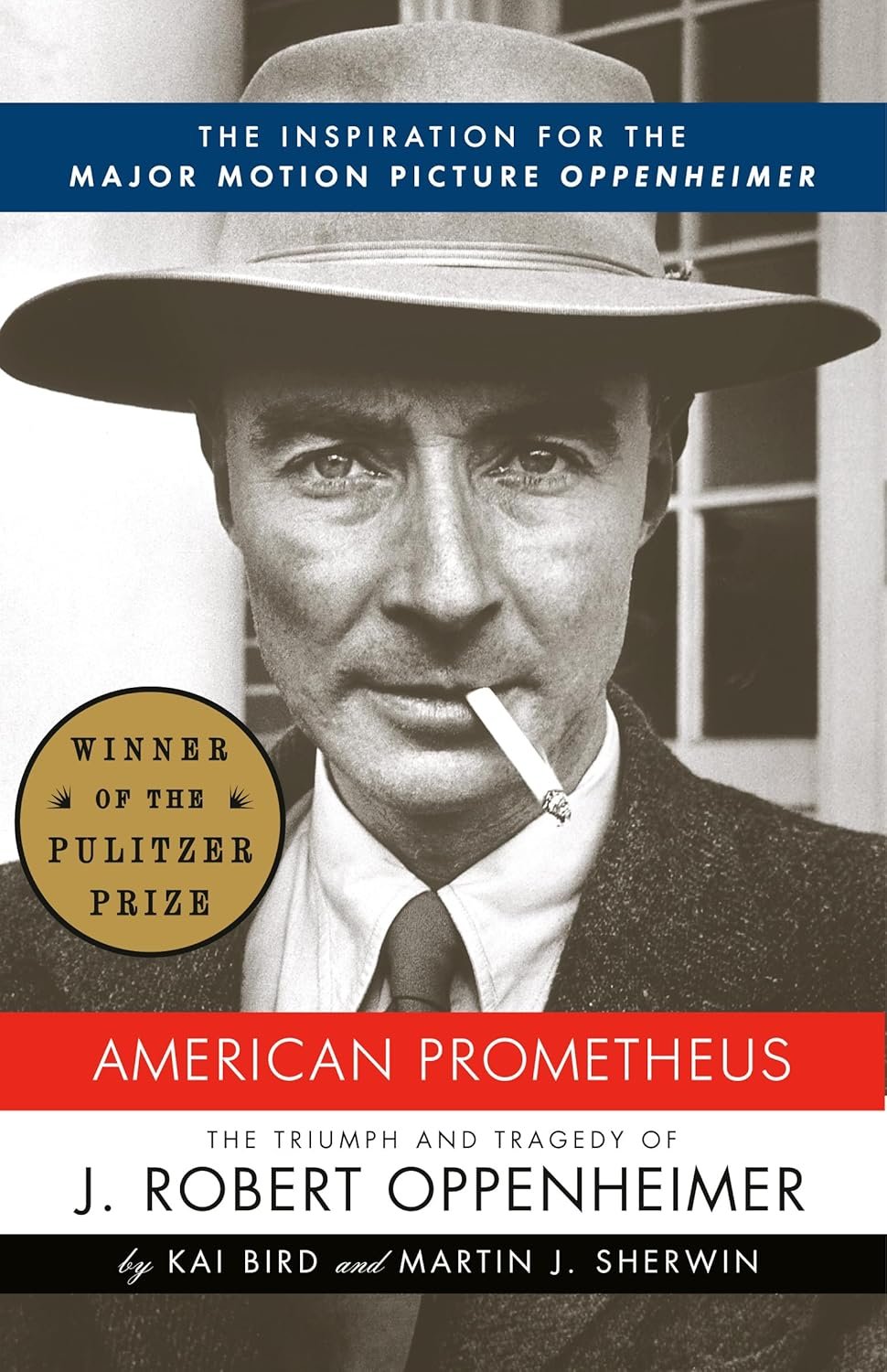
Picture this: a brilliant scientist at the pinnacle of power, directing the creation of a weapon that could end worlds, only to face the shattering consequences. That's J. Robert Oppenheimer, and American Prometheus brings his story to life like no other book can.
Oppenheimer wasn't just a physicist; he was a paradox—a cultured intellectual who quoted the Bhagavad Gita amid the New Mexico desert as the first atomic test lit up the sky. This biography traces his path from early academic stardom in Europe to leading the Manhattan Project at Los Alamos. You'll see how his razor-sharp mind assembled the era's top talents, racing against time while World War II raged.
But the book doesn't stop at victory. It delves into the Cold War witch hunts that tarnished Oppenheimer's legacy, stripping his security clearance in a McCarthy-era trial. Authors Kai Bird and Martin Sherwin, after 25 years of digging through archives and interviews, paint a nuanced portrait. He emerges not as a hero or villain, but a deeply human figure torn between patriotism, science, and ethics.
What sets this apart? It's the details—the smoky Princeton seminars, the tense Trinity test countdown, the quiet anguish post-Hiroshima. Semantic layers unfold: Was scientific progress worth the cost? How does genius grapple with destruction? These questions resonate today, making it more than history; it's a mirror to our own dilemmas in tech and power.
Pulitzer Prize-winning and a New York Times bestseller, it's the gold standard for J. Robert Oppenheimer biographies. Kirkus called it one of the best nonfiction books of the century. Now, with the major motion picture tying it to modern audiences, it's timely for film fans seeking the unvarnished truth.
Whether you're pondering nuclear history after watching the movie, studying 20th-century science, or just love a well-told true story, this pulls you in. Curl up with it on a rainy afternoon, or spark debates at your next gathering. Oppenheimer's world feels startlingly close, urging you to reflect on ambition's price. Dive in—you won't look at history the same way.