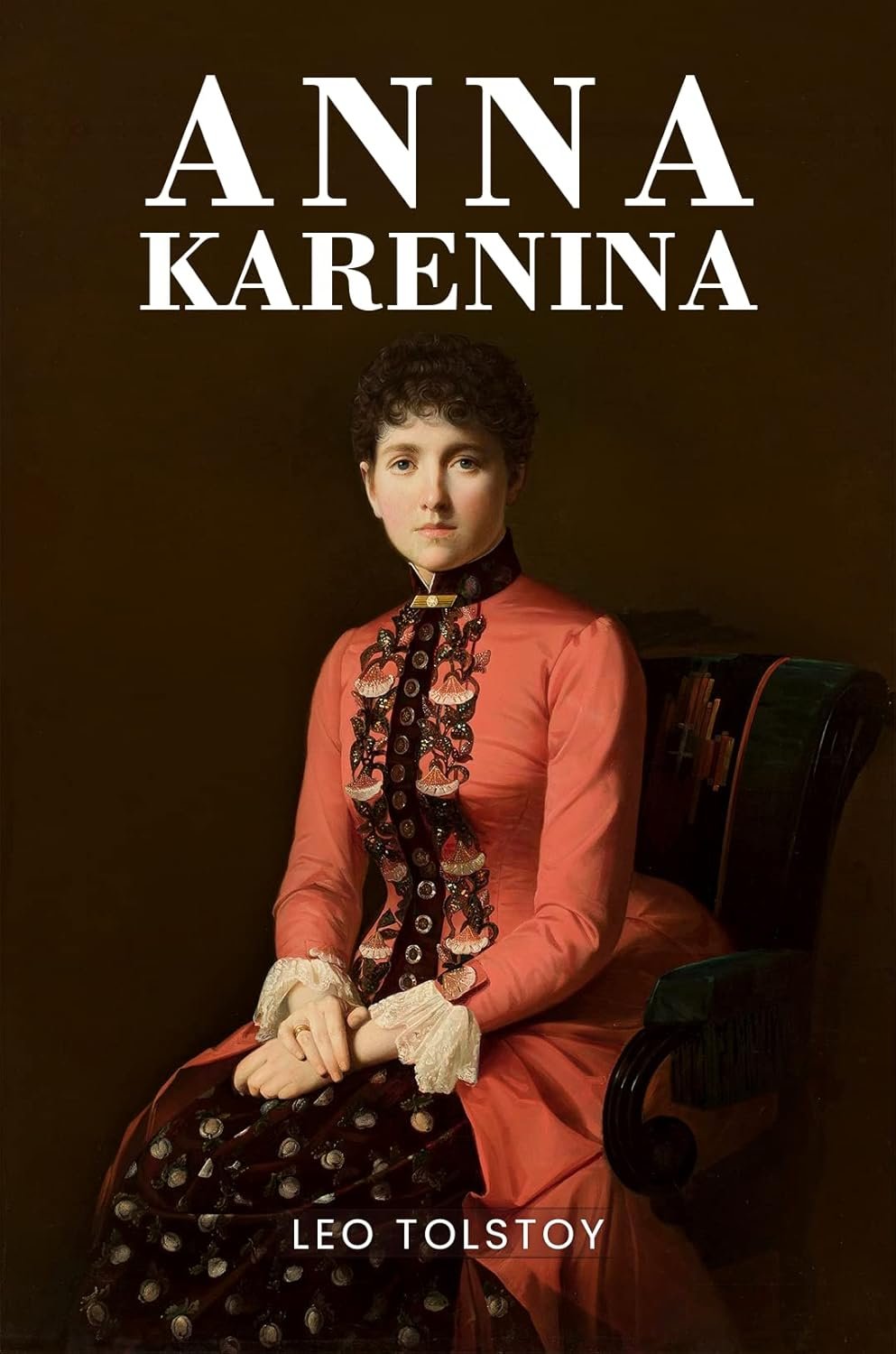
Published in 1878, Anna Karenina stands as one of the cornerstones of classic literature. Written by esteemed Russian author Leo Tolstoy, it was hailed as his first true novel. The story originally captivated readers in serialized form from 1875 to 1877, appearing in the prestigious journal The Russian Messenger.
The novel unfolds in Imperial Russia, where it delves deep into themes of love, betrayal, faith, and societal norms. At its heart is the tumultuous affair between Anna Karenina and the charming cavalry officer, Count Alexei Kirillovich Vronsky. Their passionate connection shocks the elite circles of Saint Petersburg, leading them to escape to Italy in search of happiness. However, upon their return to Russia, their lives spiral out of control, showcasing the devastating impact of societal constraints on personal desires.
Throughout the narrative, the motif of trains resonates strongly. Key events unfold on trains and at various stations, symbolizing the journey of life and the unforeseen turns it can take. As Tolstoy weaves through the intricacies of family and marriage, readers witness a vivid portrayal of rural versus urban life amidst the backdrop of reform and social upheaval under Emperor Alexander II.
Anna Karenina has transcended its pages, inspiring countless adaptations across different media, including theater, opera, film, television, ballet, figure skating, and radio. Its relevance and emotional depth maintain a timeless appeal, inviting new generations to explore its profound narratives.
This novel is not just a tale of an affair; it reflects the complexities of life, where personal choices collide with societal expectations, all set against the vibrant landscape of 19th-century Russia.